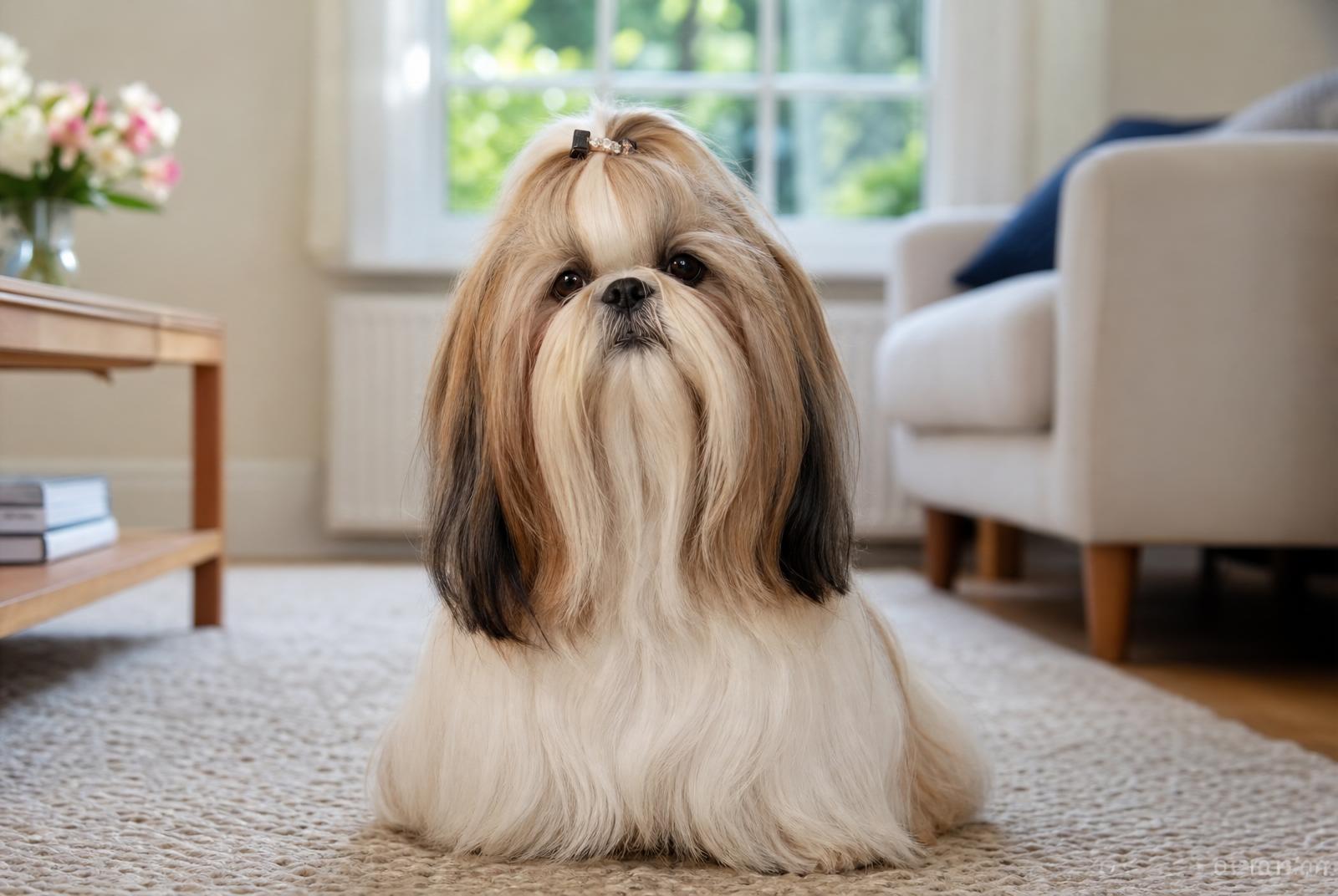
Shih Tzu
The Shih Tzu is a small, affectionate companion dog known for its long coat, broad face and confident character. Originally associated with the imperial courts of China, the breed was developed primarily for companionship and remains happiest when closely involved in family life. Shih Tzus generally need modest exercise, adapt well to smaller homes and can suit first-time owners who are prepared for consistent grooming, patient training and careful attention to their health.
About the Shih Tzu
History & background
The Shih Tzu is an ancient companion breed with roots in Tibet and China. Small, long-coated dogs were presented to Chinese imperial households, where they were selectively bred as treasured lapdogs. Their name is commonly translated as lion dog, reflecting an association with traditional depictions of lions rather than any working purpose.
The breed reached Britain during the twentieth century and is now placed in the Kennel Club's Utility Group. Although related historically to other Asian companion breeds, the Shih Tzu has its own breed standard and distinctive appearance. Its role has always centred on companionship, which helps explain its people-focused temperament and preference for spending time close to its household.
Temperament & personality
A well-socialised Shih Tzu is typically affectionate, outgoing and self-assured. Many enjoy greeting visitors and accompanying their owners around the home, but individuals vary and some are more reserved. They can be playful without requiring the sustained activity expected from a working breed, making them suitable for owners seeking a lively but relatively low-exercise companion.
Shih Tzus may have an independent streak and can learn that reluctance attracts attention. Calm, reward-based boundaries are more effective than confrontation. Because they form strong attachments, they should be introduced gradually to spending short periods alone. Without this preparation, some may bark, become distressed or develop unwanted habits when left.
Personality traits
Common Shih Tzu characteristics include:
- Affectionate: usually enjoys close contact and being part of everyday family routines.
- Confident: often carries itself boldly despite its small size.
- Playful: tends to enjoy short games, enrichment activities and gentle walks.
- Sociable: can live happily with people and compatible animals when properly introduced.
- Alert: may bark at visitors, unfamiliar noises or activity outside the home.
- Independent-minded: may require patience and consistency during training.
- Adaptable: can suit flats and houses provided its physical, social and grooming needs are met.
Shih Tzu health — common conditions and vet costs
Top 6 conditions
Not every Shih Tzu develops these problems, but the breed's head shape, coat and body structure create recognised risks. Treatment charges depend on the diagnosis, severity, investigations, location and whether emergency or specialist care is required. Ask your vet for a written estimate before treatment where circumstances allow.
- Brachycephalic obstructive airway syndrome: shortened facial bones may contribute to narrow nostrils, an elongated soft palate and restricted airflow. Signs include noisy breathing, poor exercise tolerance, disturbed sleep, gagging or collapse. Weight management and lifestyle changes may help mild cases, while surgery can be required. Typical cost band: high.
- Eye disease and injury: prominent eyes are vulnerable to corneal ulcers, dry eye, irritation and trauma. Squinting, redness, discharge, cloudiness or rubbing warrants prompt assessment because some ulcers worsen rapidly. Treatment ranges from medication to surgery. Typical cost band: moderate to high.
- Dental disease: a small jaw and crowded teeth can encourage plaque, gum inflammation and tooth loss. Home brushing and veterinary dental checks are important; established disease may require cleaning and extractions under anaesthesia. Typical cost band: moderate to high.
- Patellar luxation: the kneecap may slip out of its normal groove, causing skipping, intermittent lameness or discomfort. Mild cases may be monitored, while persistent pain or instability can require orthopaedic surgery. Typical cost band: moderate to high.
- Ear and skin problems: hairy ear canals, allergies, skin folds and a dense coat can contribute to inflammation or infection. Recurrent itching, odour, head shaking, sore skin or paw licking should be investigated rather than repeatedly treated without finding the cause. Typical cost band: moderate, potentially high for chronic disease.
- Intervertebral disc disease: degeneration or displacement of spinal discs can cause back pain, weakness, poor coordination or paralysis. Strict rest and medication may be suitable in selected cases, while severe neurological signs may need advanced imaging and surgery. Typical cost band: high.
Breed-specific screening tests
Prospective owners should ask breeders about the health of both parents and any screening recommended under current Kennel Club and veterinary guidance. A thorough veterinary eye examination is particularly relevant because Shih Tzus can inherit or develop several painful eye disorders. Breeding dogs should also be assessed for comfortable breathing, open nostrils, healthy skin, stable kneecaps and normal movement.
Screening reduces risk but cannot guarantee that a puppy will remain free from disease. Meet the puppy with its mother, review original health documents and avoid dogs with persistently noisy breathing, pinched nostrils, inflamed skin or obvious eye irritation. A puppy should be able to move, play and settle without struggling for breath. Arrange an independent veterinary examination soon after bringing a puppy home.
When to see a vet — red flags
Seek urgent veterinary advice if your Shih Tzu has difficulty breathing, blue or grey gums, collapse, severe overheating, repeated unproductive retching, sudden weakness, paralysis, intense pain or an eye that is closed, cloudy, bulging or injured. Breathing distress and eye trauma are emergencies; do not wait to see whether they resolve overnight.
Book a prompt appointment for persistent coughing, louder-than-usual breathing, reduced stamina, recurrent vomiting or diarrhoea, unexplained weight change, limping, back pain, increased thirst, bad breath, difficulty eating, head shaking, itchy skin or changes in urination. Early assessment may prevent a manageable problem from becoming more serious. Never give human painkillers unless a vet specifically instructs you to do so.
Family life with a Shih Tzu
With children
Shih Tzus can be affectionate family dogs, particularly with calm children who understand how to handle a small animal. Adults should supervise every interaction, prevent lifting or chasing, and provide a quiet bed where the dog cannot be disturbed. Children should stroke gently, avoid the face and leave the dog alone while it is eating or sleeping. Because a small dog can be injured by rough play or a fall, homes with very young children need especially careful management. Any growling or avoidance should be treated as communication and addressed with guidance from a qualified behaviour professional rather than punished.
With other pets
Many Shih Tzus live successfully with other friendly dogs and can coexist with cats when introductions are gradual. Use scent exchange, barriers and short supervised meetings, ensuring each animal has separate food, beds and escape spaces. Temperament and previous experience matter more than breed alone. Avoid assuming that a confident Shih Tzu is safe with a much larger dog, as accidental injury can occur during boisterous play. Small pets should remain securely housed because even companion breeds may show interest in chasing.
Home environment
The breed adapts well to flats and smaller homes, but still needs daily outings, play, toilet access and company. Secure gardens are useful but do not replace walks and enrichment. Keep the home cool in warm weather and provide non-slip flooring, as slippery surfaces can be difficult for dogs with joint or spinal problems. Steps or ramps may reduce repeated jumping from furniture, although they must be stable and introduced carefully. Shih Tzus generally prefer living indoors and should not be housed outside. Owners must also plan for daily grooming and for gradual training to prevent distress when the dog is left alone.
Exercise & training
Exercise needs
Most healthy adult Shih Tzus benefit from around 30 to 60 minutes of activity each day, divided into comfortable walks and play sessions. Individual needs vary with age, fitness, health, muzzle length and weather. Puppies require age-appropriate activity with opportunities to rest, while older dogs may prefer shorter, more frequent outings. Sniffing walks, food puzzles and gentle games provide useful mental stimulation.
Use a well-fitted harness that does not restrict the shoulders or press on the throat. Avoid strenuous exertion, especially in warm or humid conditions, because flat-faced dogs may struggle to cool themselves by panting. Walk during cooler periods, carry water and stop if breathing becomes markedly noisy, the dog lags behind or seems distressed. A Shih Tzu that regularly struggles with ordinary activity needs veterinary assessment rather than simply less exercise.
Training approach
Begin reward-based training as soon as the dog arrives. Short, frequent sessions suit the breed and can cover name response, recall, loose-lead walking, handling, settling and polite greetings. Reward the behaviour you want with food, play or attention. Harsh corrections can damage trust and may increase fear or defensive behaviour.
Toilet training can take patience, particularly in poor weather when a long coat becomes wet. Use a regular routine, take the puppy outside after waking, eating and playing, and reward immediately after toileting in the right place. Gradually teach comfortable alone time before it is needed. Well-run puppy classes can support social development, but socialisation should also include calm, positive exposure to grooming, traffic, visitors, veterinary handling and a variety of surfaces and sounds.
Grooming & coat care
Coat & routine
The Shih Tzu has a long, dense coat that can mat close to the skin, particularly behind the ears, under the legs, around the collar and on the feet. A full coat requires careful daily brushing and combing in sections, using suitable tools and a detangling product if advised by a groomer. Many pet owners choose a shorter trim, but this still needs regular brushing and professional grooming. Check the face every day, keep hair from rubbing the eyes and gently remove discharge with clean damp material. Mats should not be cut out with scissors close to the skin, as folded skin is easily injured. Severe matting may require professional clipping.
Bathing, ears, nails & teeth
Bathe when needed with a dog-appropriate shampoo, rinse thoroughly and dry the coat completely without overheating the dog. Check ears regularly for redness, odour, discharge or discomfort, but do not insert cotton buds into the canal or routinely pluck hair without professional advice. Trim nails often enough to prevent overgrowth and introduce paw handling gradually. Dental care is particularly important: brush daily where possible with dog toothpaste, arrange regular oral checks and seek advice for bad breath, bleeding gums, loose teeth or difficulty eating. Skin folds should be kept clean and dry, and persistent staining, soreness or odour should be assessed by a vet.
Diet & nutrition
Feeding a Shih Tzu
Feed a complete, balanced diet appropriate for the dog's age, health and reproductive status. Measure portions rather than filling the bowl by eye, and include treats in the daily allowance. The correct quantity depends on the food's energy density and the individual dog, so use the manufacturer's guidance as a starting point and ask your veterinary team to assess body condition. You should be able to feel the ribs beneath a light covering and see a waist from above.
Maintaining a lean body condition is especially important because excess weight can worsen breathing, joint and spinal problems. Divide food into regular meals and introduce dietary changes gradually. Some Shih Tzus need a texture or kibble size that is comfortable for their jaw, but difficulty chewing should prompt a dental examination rather than an automatic switch to softer food. Avoid toxic foods such as chocolate, grapes, raisins, onions, garlic and products containing xylitol. Contact a vet promptly if a suspected toxin is eaten.
How much does a Shih Tzu cost at the vet?
UK average prices
Based on our dataset of ~5,000 UK vet practices, the UK average consultation is £60.60. For a dog the typical booster vaccination averages £70.56, castration averages £257.13 and spaying averages £348.88. Microchipping averages £26.49. Individual practice charges vary regionally and by ownership (corporate vs independent). Always request a written estimate.
Routine annual budget
A Shih Tzu's routine annual veterinary budget is generally moderate and should allow for a health examination, vaccination where advised, parasite control based on individual risk and regular dental assessment. Costs can become high if eye, airway, skin, ear, dental, joint or spinal disease requires repeated appointments, diagnostic tests, long-term medication or surgery. Grooming, food, training and insurance are separate household expenses. Ask your practice which services are included in any healthcare plan, as these plans are not the same as pet insurance. Obtain written estimates for planned procedures and ask whether follow-up visits, medicines, anaesthesia, laboratory work and aftercare are included.
Pet insurance for a Shih Tzu
Why insurance matters
Eye emergencies, airway surgery, spinal disease and chronic skin problems can require extensive treatment or referral. Pet insurance can help owners make decisions based on clinical need, although policies differ substantially. Arrange cover while the dog is young and healthy if possible, because pre-existing conditions are usually excluded. Insurance does not remove the need for an emergency fund: owners may need to pay the practice first, cover an excess or contribute towards treatment. Routine vaccination, grooming, preventive dental care and neutering are commonly outside standard accident-and-illness cover unless specifically included.
What to look for
Compare the veterinary fee limit, whether it renews each policy year, time restrictions, excesses, percentage contributions and exclusions affecting hereditary, congenital, dental, behavioural or bilateral conditions. Lifetime cover can be useful for recurring illness, but only while the policy remains active and its terms are met. Check whether diagnostic imaging, specialist referral, complementary treatment, prescribed diets and emergency care are covered. Read the brachycephalic and dental clauses carefully, disclose the dog's full medical history and ask the insurer to clarify ambiguous wording in writing before purchasing.
Choosing a vet for your Shih Tzu
What to look for
Choose a practice that is comfortable assessing brachycephalic dogs and offers clear advice on breathing, weight, eyes, dentistry, skin and preventive care. Ask about emergency arrangements, appointment availability, inpatient monitoring and referral pathways for ophthalmology, soft-tissue surgery, orthopaedics or neurology. A good team should handle your dog gently, explain options without pressure and provide itemised written estimates for planned care. Practical details such as parking, accessibility, opening hours and a cool waiting area may also matter.
Use our vet price comparison tool to compare practices near you.
Frequently asked questions
Is a Shih Tzu a good family dog?
A well-bred, properly socialised Shih Tzu can be an affectionate family companion. The breed usually enjoys company and has manageable exercise needs, but requires substantial grooming and may be vulnerable to breathing, eye and dental problems. Interactions with children should always be supervised, with particular care around toddlers who might accidentally drop or injure a small dog.
How much exercise does a Shih Tzu need?
Most healthy adults need around 30 to 60 minutes of daily activity, usually split between comfortable walks, play and enrichment. Needs vary by age and health. Avoid strenuous exercise and hot weather because the shortened muzzle can limit cooling. Stop and seek veterinary advice if the dog shows breathing distress, weakness, collapse or consistently poor exercise tolerance.
Do Shih Tzus shed?
Shih Tzus are often described as low shedding because loose hair tends to remain within the coat, but they are not maintenance-free or reliably hypoallergenic. Their coat mats easily and usually needs daily brushing when kept long, along with regular professional grooming. People with allergies should spend time with adult dogs before committing, as reactions can involve dander and saliva as well as hair.
Can a Shih Tzu be left alone?
Shih Tzus are companion dogs and may find long or sudden periods alone difficult. Teach independence gradually using brief, calm absences and a safe resting area. Arrange suitable company or care if you are regularly away for extended periods. Barking, destruction, toileting or distress when alone should be discussed with a vet, who can rule out medical causes and recommend a qualified behaviour professional.
What health problems are common in Shih Tzus?
Recognised concerns include brachycephalic airway problems, corneal ulcers and other eye disease, dental disease, skin and ear inflammation, luxating patellas and spinal disc disease. Not every dog is affected. Choosing a responsibly bred dog with comfortable breathing and appropriate health assessment, maintaining a healthy weight and attending regular veterinary checks can reduce risk or support earlier diagnosis.
How much does a Shih Tzu cost at the vet in the UK?
Costs depend on the practice and the care required. Based on our dataset of ~5,000 UK vet practices, an average consultation is £60.60, a dog booster vaccination is £70.56, dog castration is £257.13, dog spaying is £348.88 and microchipping is £26.49. Treatment for breed-related illness may fall into moderate or high cost bands. Request a written estimate and consider appropriate insurance.
Related breeds
By The Vet Price Comparison Site editorial team · Last reviewed23 September 2026. Sources: RCVS, The Kennel Club, RVC VetCompass, ABI, and our live UK practice pricing dataset.