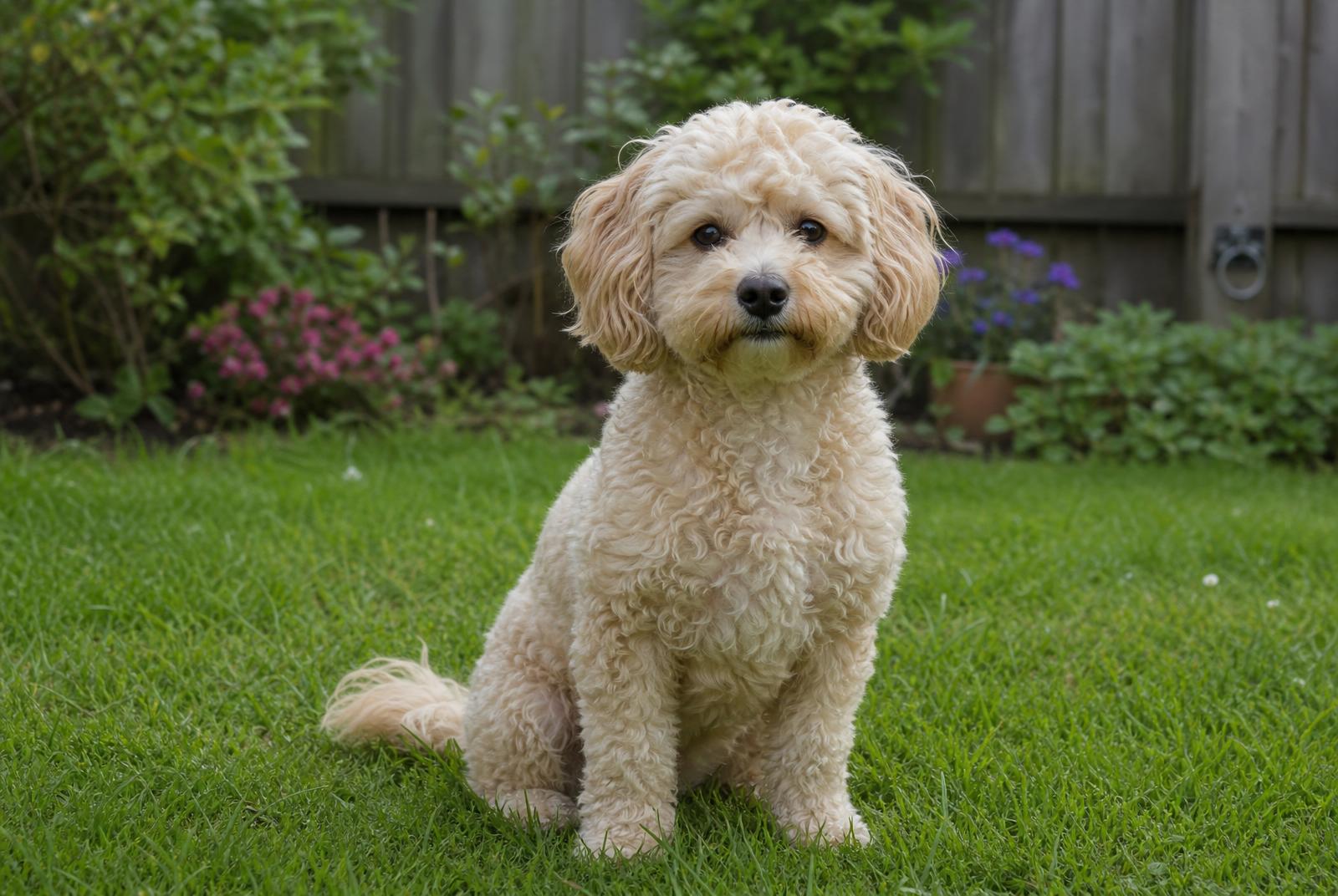
Maltipoo
The Maltipoo is a small companion dog produced by crossing a Maltese with a Poodle, usually a Toy or Miniature Poodle. Maltipoos are not a standardised pedigree breed, so their size, coat and temperament can vary, even within the same litter. Many are affectionate, lively and highly people-focused, combining the Maltese's companionable nature with the Poodle's intelligence and enthusiasm for learning.
About the Maltipoo
History & background
The Maltipoo is a Maltese and Poodle cross developed primarily as a small companion dog. The Maltese has a long history as a lapdog, while Poodles were developed as intelligent working dogs and now occur in several sizes. Most Maltipoos have a Toy or Miniature Poodle parent, which contributes to the variation seen in adult height and weight.
As a crossbreed rather than a breed with a uniform standard, the Maltipoo does not have entirely predictable physical or behavioural characteristics. A puppy may favour either parent or show a mixture of both, and later-generation crosses can also vary. Labels describing generation or coat type do not guarantee size, temperament, shedding level or health. Owners should assess the individual dog and seek clear information about both parents.
Temperament & personality
Maltipoos are commonly affectionate, sociable and alert. They often form close attachments to their household and enjoy being involved in everyday activities. Their intelligence and responsiveness can make training rewarding, although sensitive individuals may become worried by harsh handling. Reward-based methods, calm routines and early exposure to varied people, sounds and environments generally suit them well.
This strong attachment can make some Maltipoos vulnerable to distress when left alone. Others may bark at visitors, noises or movement outside. Temperament is influenced by inherited traits, early socialisation, learning and health, so no particular personality is guaranteed by the cross. Meeting the mother and, where possible, the father helps prospective owners understand the traits a puppy may inherit.
Personality traits
Common Maltipoo characteristics include:
- Affectionate and strongly oriented towards people.
- Bright, curious and usually motivated by food, toys or attention.
- Playful without generally requiring prolonged strenuous exercise.
- Alert to household sounds and potentially inclined to bark.
- Sensitive to tense interactions or inconsistent handling.
- Likely to enjoy learning tricks and interactive games.
- Sometimes uncomfortable with being left unless this is taught gradually.
- Variable in confidence, sociability and prey drive according to parentage and experience.
Maltipoo health — common conditions and vet costs
Top 6 conditions
Maltipoos may inherit health risks associated with either the Maltese or Poodle parent. This list is not a prediction for an individual dog, and other illnesses can occur. Treatment costs depend on diagnostic work, severity, location and the practice providing care. Request a written estimate before planned investigations or treatment.
- Dental disease: Small jaws can predispose dogs to crowded teeth, plaque, gum inflammation and loose or infected teeth. Daily brushing and regular veterinary dental checks are important. Typical cost band: Moderate, rising to high if multiple extractions or advanced treatment are required.
- Patellar luxation: One or both kneecaps may slip out of position, causing intermittent skipping, stiffness or persistent lameness. Mild cases may be monitored, while painful or severe cases can require specialist surgery. Typical cost band: Moderate for assessment and imaging; high when surgery and rehabilitation are needed.
- Eye disease: Inherited or acquired conditions, including cataracts and retinal disorders, may impair vision. Cloudiness, redness, discharge, bumping into objects or difficulty in dim light warrants veterinary attention. Typical cost band: Moderate for investigation; high for advanced imaging or specialist surgery.
- Allergic skin disease: Itching may be associated with environmental allergens, parasites, food or secondary skin and ear infections. Management can require repeated examinations, diagnostic tests and long-term medication. Typical cost band: Moderate, but potentially high over a lifetime when specialist assessment or ongoing treatment is needed.
- Ear disease: Hairy or folded ears can retain moisture and debris, allowing inflammation or infection to develop. Signs include scratching, head shaking, odour, redness and discharge. Typical cost band: Moderate, with higher costs for recurrent disease, cultures, sedation or investigation of an underlying allergy.
- Legg-Calvé-Perthes disease: This hip condition can affect young small dogs when the blood supply to the top of the thigh bone is disrupted. It may cause pain, muscle loss and progressive lameness, and surgery is sometimes recommended. Typical cost band: High when imaging, orthopaedic surgery and rehabilitation are required.
Breed-specific screening tests
Responsible breeders should select health tests according to both parent breeds rather than assuming crossbreeding removes inherited risk. Ask to see original, verifiable results for the Maltese and Poodle parents. Relevant assessment may include eye examination by an appropriately qualified veterinary ophthalmologist and patellar assessment. Depending on the size and family history of the Poodle line, DNA testing and other breed-relevant examinations may also be appropriate.
A DNA result should be interpreted alongside clinical screening, pedigree knowledge and veterinary advice; it does not certify that a puppy will remain healthy. Ask about the health and lifespan of close relatives, previous affected puppies and the breeder's policy if an inherited disorder is diagnosed. After purchase, arrange an independent veterinary examination promptly and maintain routine eye, joint, skin, ear and dental checks.
When to see a vet — red flags
Contact a vet promptly if your Maltipoo has persistent vomiting or diarrhoea, refuses food, seems unusually quiet, develops a cough, shows pain, has difficulty passing urine, becomes suddenly lame or develops eye redness or cloudiness. Repeated head shaking, severe itching, bad breath, bleeding gums and difficulty eating also deserve assessment rather than home treatment.
Seek emergency veterinary advice for breathing difficulty, collapse, seizures, severe weakness, repeated unproductive retching, a swollen abdomen, major trauma, uncontrolled bleeding or suspected poisoning. Sudden inability to use a limb, marked eye pain or loss of vision also requires urgent attention. Small dogs can deteriorate quickly, particularly when very young, so contact your practice or its out-of-hours provider if you are unsure.
Family life with a Maltipoo
With children
A friendly, well-socialised Maltipoo can live successfully with considerate children, but their small frame makes rough play risky. Adults should supervise every interaction, teach children not to lift, chase or disturb the dog while eating or sleeping, and provide a quiet retreat that is always respected. Very young children may be better matched with a sturdier dog. Watch for lip licking, turning away, freezing or hiding, as these can signal discomfort before growling or snapping occurs.
With other pets
Many Maltipoos coexist well with compatible dogs and cats when introductions are gradual and positive. Individual confidence, previous experience and the Poodle parent's hunting tendencies may affect behaviour around smaller animals. Use barriers and leads during early meetings, provide separate food and resting areas, and prevent chasing. Small pets such as rabbits or rodents should remain securely separated; friendly behaviour does not remove predatory risk.
Home environment
The Maltipoo's modest size can suit flats and houses, but neighbours may be affected by alert or separation-related barking. A secure outdoor area is useful but does not replace walks, training or enrichment. Provide non-slip flooring, safe access to furniture and stairs, and a comfortable resting place away from household activity. These companion dogs generally do best where they receive regular interaction and are taught calmly to spend short periods alone.
Exercise & training
Exercise needs
Most healthy adult Maltipoos benefit from roughly 30 to 60 minutes of daily activity, divided into manageable walks and play sessions. Needs vary with size, age, health and temperament. Sniffing walks, gentle games, food puzzles and short training sessions provide valuable mental stimulation. Some individuals enjoy longer outings, but exercise should be increased gradually.
Puppies need frequent opportunities to explore without forced long-distance exercise or repetitive jumping. Older dogs and those with heart, joint or respiratory problems may need a programme agreed with a vet. Avoid strenuous activity in hot weather, carry water and choose cooler parts of the day. A Maltipoo should have time to rest and should not be expected to maintain the pace of a much larger dog.
Training approach
Use short, upbeat sessions with food, toys and praise. Teach name response, recall, loose-lead walking, settling, handling and exchanging objects from an early age. Reward quiet behaviour before barking becomes habitual, and avoid punishment, which may increase anxiety without addressing the trigger. Puppy classes run by a qualified, reward-based trainer can help owners practise around controlled distractions.
Toilet training can take patience because small puppies need frequent outdoor opportunities. Take them out after waking, eating and play, reward success immediately and clean accidents without reprimand. Build alone time in very small steps while the puppy remains relaxed. If barking, pacing, destruction or toileting occurs only during absences, seek veterinary and qualified clinical behaviour advice rather than leaving the dog to become increasingly distressed.
Grooming & coat care
Coat & routine
A Maltipoo may have a straight, wavy or curly coat, and texture can change as the adult coat develops. Brush and comb thoroughly most days, concentrating behind the ears, under the collar or harness, in the armpits, around the legs and beneath the tail. A comb should pass comfortably to the skin; surface brushing can leave painful mats underneath. Many dogs need regular appointments with a professional groomer. Severe matting should be removed safely rather than cut close to the skin at home. Light shedding is common, but Maltipoos are not guaranteed to be non-shedding or suitable for people with allergies.
Bathing, ears, nails & teeth
Bathe when needed using a dog-appropriate shampoo, rinse thoroughly and dry the coat fully. Check the ears regularly and seek advice for redness, discharge, smell or discomfort; do not insert cotton buds or use unprescribed products. Trim nails often enough to prevent overgrowth, asking a groomer or veterinary professional for help if necessary. Brush the teeth daily with dog toothpaste and a suitable brush. Dental chews may complement brushing but should not replace it, and hard objects capable of fracturing teeth are best avoided.
Diet & nutrition
Feeding a Maltipoo
Choose a complete, balanced food appropriate for your dog's life stage and follow the manufacturer's guidance as a starting point. Weigh portions rather than estimating them, include training rewards in the daily allowance and adjust intake according to body condition. You should be able to feel the ribs under a light covering and see a waist from above. Your vet or veterinary nurse can help if weight is changing unexpectedly.
Puppies generally need several small meals across the day, while most adults manage with divided daily feeding. Change diets gradually unless a vet advises otherwise, and provide constant access to fresh water. Avoid sudden rich treats and do not give foods toxic to dogs, including chocolate, grapes, raisins, onions, garlic and products containing xylitol. Seek veterinary advice before using supplements or restrictive homemade diets, and contact a vet promptly if a small puppy misses meals or becomes weak.
How much does a Maltipoo cost at the vet?
UK average prices
Based on our dataset of ~5,000 UK vet practices, the UK average consultation is £60.60. For a dog the typical booster vaccination averages £70.56, castration averages £257.13 and spaying averages £348.88. Microchipping averages £26.49. Individual practice charges vary regionally and by ownership (corporate vs independent). Always request a written estimate.
Routine annual budget
Routine veterinary spending for a healthy Maltipoo is usually moderate, but it varies with age, location and the preventive-care plan agreed with your vet. Budget for health examinations, vaccinations where recommended, parasite control, dental monitoring and any prescribed medicines. Grooming, food, training and insurance are separate household costs. Dental treatment, recurrent skin or ear disease and emergency care can move annual spending into a high band. Ask what a practice health plan includes, compare it with paying separately and request written estimates for planned procedures.
Pet insurance for a Maltipoo
Why insurance matters
Insurance can help with eligible costs when unexpected illness or injury requires diagnostics, hospital care, surgery or long-term medication. A Maltipoo may develop chronic dental, skin, orthopaedic or eye problems, although policies often exclude routine care and may not cover dental disease unless specific conditions are met. Buy cover before symptoms arise because pre-existing conditions are usually excluded. Insurance does not replace an emergency fund, as owners may need to pay excesses, co-payments or charges beyond policy limits.
What to look for
Compare the veterinary-fee limit, whether it renews for ongoing conditions, excess structure, age-related co-payment, dental wording, complementary-treatment cover and exclusions for hereditary or congenital disease. Check waiting periods and requirements for vaccinations, dental checks and preventive care. Lifetime policies can be useful for chronic conditions, but cover and premiums may change at renewal. Read the full policy rather than relying on the headline description, disclose health history accurately and confirm whether referral, imaging, rehabilitation and behavioural treatment are included.
Choosing a vet for your Maltipoo
What to look for
Choose a conveniently located practice registered to provide veterinary care and ask how it handles emergencies outside normal hours. Useful services for a Maltipoo include dental assessment and imaging, nurse clinics, weight monitoring, preventive-care advice and access to ophthalmology, orthopaedics or dermatology referrals when needed. Consider communication, appointment availability, accessibility and how calmly staff handle small or worried dogs. Ask for clear fee information and written estimates before non-urgent procedures.
Use our vet price comparison tool to compare practices near you.
Frequently asked questions
Is a Maltipoo a recognised pedigree breed in the UK?
No. A Maltipoo is a Maltese crossed with a Poodle, usually a Toy or Miniature Poodle, and is treated as a crossbreed rather than a standardised pedigree breed. Appearance, size, coat and behaviour can therefore vary substantially. Registration with a commercial crossbreed organisation does not guarantee health, responsible breeding or predictable traits.
Are Maltipoos hypoallergenic or non-shedding?
No dog is reliably hypoallergenic. Maltipoos often shed less visibly than some breeds, especially when their coat resembles a Poodle's, but individual coats vary and allergens also occur in saliva and skin debris. Anyone with allergies should spend time around the individual dog and seek medical advice before making a commitment.
How much exercise does a Maltipoo need?
A healthy adult commonly needs around 30 to 60 minutes each day, split between walks, play, sniffing and training. Age, size, fitness and medical conditions alter this requirement. Puppies should not be pushed through long, repetitive outings, and senior or unwell dogs may need an individual plan from their vet.
Can a Maltipoo be left alone?
Maltipoos are often strongly attached to people and some find solitude difficult. Teach brief absences gradually, beginning while the dog is relaxed, and provide appropriate enrichment. Regularly leaving any dog for longer than they can comfortably manage can cause distress. Seek veterinary or qualified clinical behaviour support for barking, destruction, pacing or toileting associated with absence.
How much does Maltipoo veterinary care cost in the UK?
Based on our dataset of around 5,000 UK practices, an average consultation is £60.60 and a dog booster vaccination averages £70.56. Dog castration averages £257.13, spaying averages £348.88 and microchipping averages £26.49. Charges vary with region, case complexity and practice ownership. Routine annual care is generally a moderate expense, while dentistry, chronic illness or surgery may be high. Request written estimates.
What should I ask a Maltipoo breeder?
Ask to meet the puppy with its mother where it was raised and request verifiable health results relevant to both the Maltese and Poodle parents. Discuss adult size, temperament, socialisation, family health history and the breeder's support if a hereditary problem emerges. Avoid sellers offering immediate collection, multiple unrelated litters, no access to the mother or claims that crossbreeding guarantees health. Confirm the puppy meets current UK microchipping and sale requirements.
Related breeds
By The Vet Price Comparison Site editorial team · Last reviewed9 August 2026. Sources: RCVS, The Kennel Club, RVC VetCompass, ABI, and our live UK practice pricing dataset.