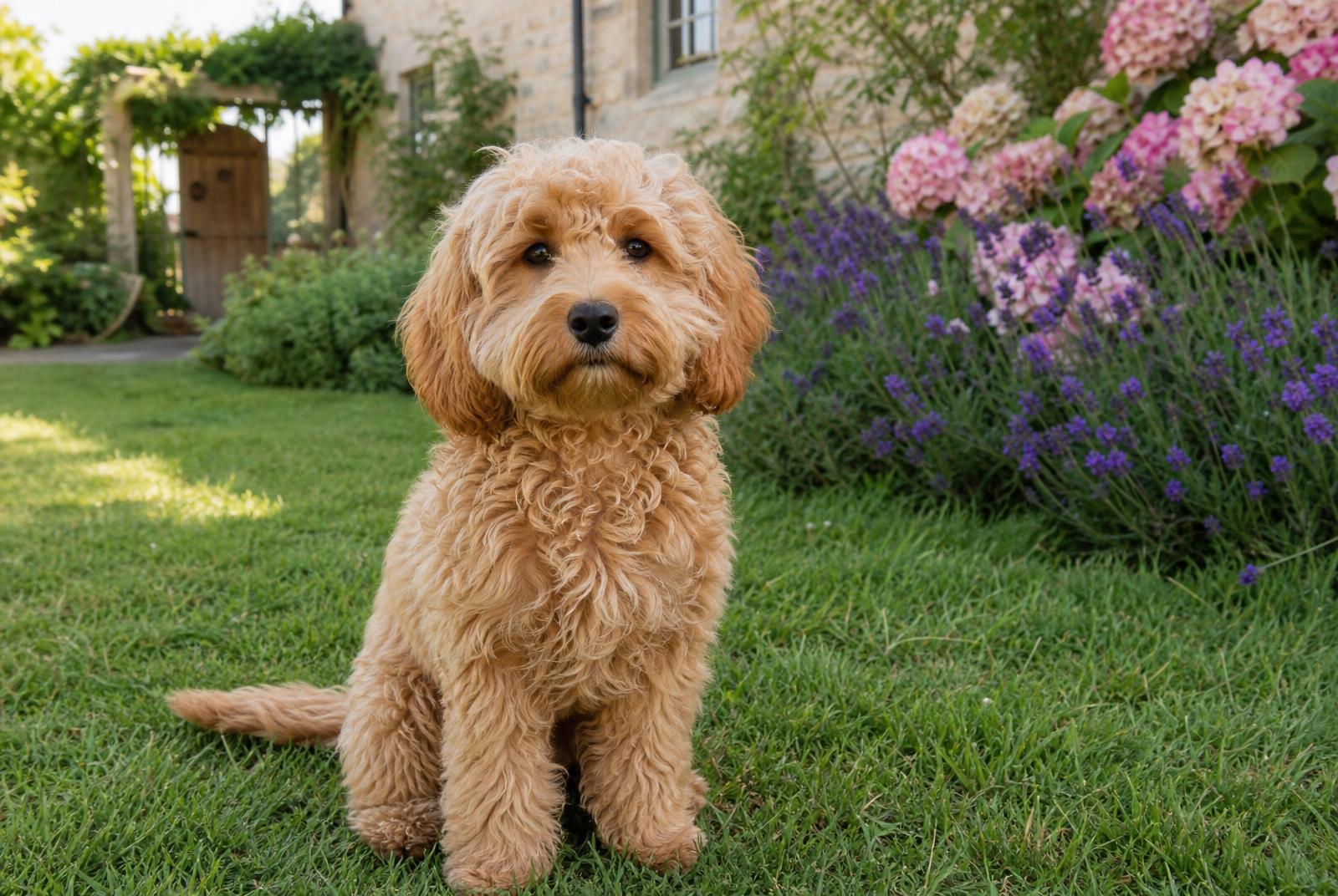
Cavapoo
The Cavapoo is a popular cross between a Cavalier King Charles Spaniel and a Poodle, usually a Miniature or Toy Poodle. These small companion dogs are often affectionate, sociable and quick to learn, although appearance, size, coat and temperament vary because they are a crossbreed. A Cavapoo may inherit the Cavalier’s gentle nature, the Poodle’s alert intelligence, or any combination of parental characteristics. The breed is not recognised by the Kennel Club, and labels such as first-generation or backcross do not guarantee particular traits.
About the Cavapoo
History & background
The Cavapoo was developed by crossing the Cavalier King Charles Spaniel with a Poodle, most commonly the Miniature or Toy variety. Purposeful breeding became increasingly visible as demand grew for small, affectionate companion dogs with potentially lower-shedding coats. The cross is also called a Cavoodle in some countries. It is not a Kennel Club recognised breed in the UK, so there is no official breed standard governing size, coat or temperament.
First-generation Cavapoos have one parent of each breed, while later generations may involve Cavapoos or backcrosses. These labels describe ancestry rather than quality and cannot reliably predict coat type, shedding, health or behaviour. The characteristics of both parents, their health-test results and the conditions in which puppies are raised matter more than fashionable colour, generation label or unusually small size. Buyers should meet the mother, review original health documentation and avoid breeders who promise a completely hypoallergenic puppy.
Temperament & personality
Cavapoos are commonly people-focused, affectionate and playful. Many enjoy learning and participating in family activities, combining the Cavalier’s companionable nature with the Poodle’s intelligence and alertness. Individual temperament is not guaranteed, however. Genetics, early experiences, pain, socialisation and training all shape adult behaviour.
Their strong attachment to people can make gradual alone-time training essential. Without it, some develop distress, barking or destructive behaviour when separated. Others may be excitable greeters or alert barkers. Reward-based training, predictable routines and adequate mental stimulation help build confidence. Puppies should be introduced carefully to different people, animals, sounds, surfaces, handling and short periods alone without overwhelming them.
Personality traits
Common Cavapoo characteristics include:
- Affectionate and frequently keen to remain near their family.
- Sociable when appropriately bred and socialised.
- Intelligent, curious and responsive to reward-based teaching.
- Playful, with moderate daily exercise needs.
- Potentially sensitive to harsh handling or raised voices.
- Prone to becoming over-dependent if independence is never practised.
- Sometimes vocal in response to visitors, excitement or being left.
- Variable in prey drive, confidence and energy because of mixed ancestry.
Cavapoo health — common conditions and vet costs
Top 6 conditions
A crossbreed may inherit disorders found in either parent breed, and crossing two breeds does not automatically prevent genetic disease. The eventual bill depends on severity, diagnostics, treatment, location and whether emergency or specialist care is needed. Request a written estimate before non-urgent investigations or treatment.
- Mitral valve disease: Degeneration of a heart valve is particularly important in the Cavalier King Charles Spaniel and may be inherited by descendants. A murmur can precede symptoms; progression may cause coughing, reduced stamina, rapid breathing or heart failure. Monitoring can include examinations, imaging and medication. Typical cost band: moderate for monitoring and potentially high for advanced disease.
- Syringomyelia and Chiari-like malformation: Abnormal skull and brain anatomy may disrupt cerebrospinal fluid flow and produce fluid-filled cavities within the spinal cord. Signs can include neck or shoulder pain, sensitivity to touch, unexplained yelping, reluctance to jump and apparent scratching near the neck without skin contact. Diagnosis may require specialist neurological assessment and MRI. Typical cost band: high.
- Eye conditions: Cavapoos may be at risk of inherited or acquired disorders including cataracts, progressive retinal atrophy and other retinal or corneal problems. Cloudiness, redness, discharge, squinting, bumping into objects or poorer vision in dim light need veterinary assessment. Some conditions require ongoing monitoring or referral. Typical cost band: moderate to high.
- Luxating patella: The kneecap can slip from its normal groove, causing intermittent skipping, stiffness, pain or lameness. Mild cases may be monitored, while persistent pain or significant instability can require surgery and rehabilitation. Weight control reduces unnecessary joint strain. Typical cost band: moderate for assessment and high if surgery is required.
- Hip dysplasia: Abnormal hip development can lead to pain, reduced mobility and osteoarthritis. Signs include stiffness after rest, difficulty rising, reluctance to jump or a change in gait. Management may involve weight control, physiotherapy, pain relief or surgery, depending on severity. Typical cost band: moderate to high.
- Ear and skin disease: Hairy, pendulous ears and dense coats can contribute to ear inflammation, while allergies may cause recurrent itching, licking, redness and infection. Treatment may involve cytology, parasite control, dietary investigation and long-term allergy management. Typical cost band: moderate, but recurrent disease may become high.
Breed-specific screening tests
Ask for health evidence covering both parental breeds rather than accepting a general statement that the parents were vet checked. Relevant testing may include current specialist heart assessment for the Cavalier parent, eye examination and appropriate DNA testing for inherited eye disease. Depending on the Poodle variety and family history, hip or patellar assessment and other recognised DNA tests may also be relevant. A breeder should explain what was tested, identify each parent clearly and allow buyers to verify original results.
Screening reduces risk but cannot guarantee a healthy puppy. Mitral valve disease and syringomyelia deserve particular attention in Cavalier lines; prospective owners should ask how breeding decisions account for age at heart assessment, family history and neurological disease. Testing should be appropriate to the actual parents, not merely to the Cavapoo label. A normal puppy examination is useful but does not replace parental screening or predict every later condition.
When to see a vet — red flags
Arrange prompt veterinary advice for persistent coughing, reduced exercise tolerance, collapse, rapid or laboured breathing, unexplained pain, repeated yelping, neck sensitivity, weakness, seizures or a sudden behavioural change. Eye pain, squinting, marked redness, cloudiness or sudden sight loss should also be treated as urgent because delays can threaten vision. Contact a vet promptly for repeated vomiting, significant diarrhoea, inability to keep water down, a swollen abdomen or refusal of food accompanied by lethargy.
Seek emergency help for severe breathing difficulty, collapse, uncontrolled bleeding, suspected poisoning, repeated unproductive retching, inability to urinate, major trauma or prolonged seizure activity. Do not give human painkillers unless a vet has specifically instructed you to do so. Keeping a resting breathing-rate record or a short video of intermittent limping, scratching or unusual episodes can help the veterinary team assess signs that are not present during the appointment.
Family life with a Cavapoo
With children
A well-socialised Cavapoo can be an affectionate family companion, but small dogs are vulnerable to rough handling and may become worried if chased, hugged or disturbed while resting. Adults should supervise every interaction with young children and teach calm stroking, respectful play and leaving the dog alone while eating or sleeping. Provide a quiet retreat that children cannot enter. Dogs and children should never be left together unsupervised, regardless of the dog’s previous behaviour. Choose a breeder who raises puppies around normal household experiences without forcing interactions, and seek professional help early if the dog guards resources, growls or shows fear.
With other pets
Many Cavapoos live successfully with dogs and cats when introductions are gradual and each animal has separate food, resting places and escape routes. Compatibility depends on individual temperament and previous experience rather than breed label alone. Poodle ancestry can contribute interest in chasing, so supervise around small mammals and birds. Begin dog meetings on neutral ground where possible, keep early sessions brief and reward relaxed behaviour. Do not force close contact or punish growling, which is useful communication. If tension persists, consult a qualified behaviour professional working alongside your vet to exclude pain or illness.
Home environment
Cavapoos can adapt to a flat or a house provided they receive regular outdoor exercise, toilet opportunities and mental enrichment. Secure fencing is important, and access to a garden does not replace walks. Apartment owners should teach calm responses to corridor noise and visitors, while all owners should practise settling and short absences from puppyhood. A household in which someone is usually present may suit this companionable cross, but constant company without independence training can also create problems. Stairs, slippery floors and repeated jumping may need management for puppies or dogs with joint issues. Provide a comfortable bed in a quiet, draught-free area.
Exercise & training
Exercise needs
Most healthy adult Cavapoos benefit from roughly 45 to 60 minutes of daily activity, often divided between walks, play and training. Needs vary with size, age, health and inherited temperament, so watch the individual dog rather than pursuing a fixed target. Sniffing walks, safe off-lead exercise where recall is reliable, retrieving and food-search games provide useful physical and mental stimulation.
Puppies need shorter, flexible outings and plenty of sleep rather than forced-distance walking, repetitive ball chasing or sustained running. Increase activity gradually as they mature. Older dogs and those with heart, neurological or orthopaedic disease may require a plan agreed with a vet. Stop and seek advice if exercise causes coughing, unusual breathlessness, collapse, persistent limping or pain. On warm days, walk during cooler periods and carry water because heat can affect dogs even during apparently moderate activity.
Training approach
Cavapoos often learn quickly with short, consistent sessions using food, toys and access to enjoyable activities as rewards. Priorities include recall, loose-lead walking, settling, handling for grooming, exchanging objects and remaining calm around visitors. Reward behaviour you want repeated and avoid aversive methods, which can increase fear and damage trust in a sensitive dog.
Alone-time training should begin at a level the puppy can manage calmly, sometimes only seconds, and progress gradually. Toilet training requires frequent opportunities after waking, eating and play, followed by quiet praise for toileting outside. Prevent unwanted behaviour through supervision, gates and suitable chew items rather than waiting to punish mistakes. Choose a qualified, reward-based trainer if you need help. Sudden training regression, irritability or reluctance to be handled warrants a veterinary check because pain can resemble a behavioural problem.
Grooming & coat care
Coat & routine
A Cavapoo’s coat may be curly, wavy or straighter and can change as the adult coat develops. Low visible shedding does not mean maintenance-free: loose hair may remain trapped and form tight mats next to the skin. Brush and comb to skin level several times a week, often daily around the ears, collar, armpits, legs and tail. Many dogs need regular professional trimming, with frequency depending on coat length and texture. Introduce handling positively from puppyhood and ask a groomer to demonstrate suitable tools. Never cut out close mats with scissors because folded skin is easily injured. No dog is reliably hypoallergenic, as allergens occur in dander and saliva as well as hair.
Bathing, ears, nails & teeth
Bathe when dirty using a dog-appropriate product, rinse thoroughly and dry the dense coat fully. Check the ears weekly for redness, odour, discharge or discomfort, but do not insert cotton buds or routinely pluck hair unless advised by a veterinary professional. Recurrent ear trouble needs diagnosis rather than repeated over-the-counter cleaning. Trim nails often enough to prevent overgrowth, taking care around the quick. Daily tooth brushing with dog toothpaste is the most useful home measure for dental health; human toothpaste is unsuitable. Begin with brief, rewarded sessions and arrange a veterinary dental assessment if there is persistent bad breath, bleeding gums, loose teeth or difficulty eating.
Diet & nutrition
Feeding a Cavapoo
Choose a complete food appropriate to the dog’s life stage and follow the manufacturer’s guide as a starting point. Weigh portions, include training treats in the daily allowance and adjust intake according to body condition, activity and veterinary advice. You should be able to feel the ribs under a light covering and see a waist from above. Excess weight worsens strain on joints and may complicate heart or respiratory disease. Puppies need a suitable growth diet split into regular meals; abrupt food changes can cause digestive upset, so transition gradually.
Keep fresh water available and avoid toxic foods such as chocolate, grapes, raisins, onions and products containing xylitol. Cooked bones can splinter, while rich leftovers may cause gastrointestinal illness. If itching or digestive signs raise concern about food allergy, consult a vet before changing diets repeatedly, as a properly controlled elimination trial may be required. Seek advice for persistent appetite change, weight loss, repeated vomiting, diarrhoea or excessive thirst. Supplements are not automatically beneficial and can unbalance an otherwise complete diet.
How much does a Cavapoo cost at the vet?
UK average prices
Based on our dataset of ~5,000 UK vet practices, the UK average consultation is £60.60. For a dog the typical booster vaccination averages £70.56, castration averages £257.13 and spaying averages £348.88. Microchipping averages £26.49. Individual practice charges vary regionally and by ownership (corporate vs independent). Always request a written estimate.
Routine annual budget
A Cavapoo’s routine annual veterinary budget is generally moderate, but there is no single figure suitable for every dog. Allow for preventive examinations, vaccination where advised, parasite control tailored to lifestyle and dental monitoring. Costs may be higher for dogs needing ear or skin treatment, heart monitoring, long-term medication, diagnostic imaging or specialist referral. Grooming, food, insurance and training are separate ownership expenses and can be significant for this coat type. Ask your practice what its preventive plan includes, as plans are not the same as insurance. Before tests, dental work or surgery, request an itemised written estimate and ask whether aftercare, medication and follow-up appointments are included.
Pet insurance for a Cavapoo
Why insurance matters
Cavapoos may require investigation or long-term management for inherited and acquired disease, including heart, neurological, eye, joint, skin and ear conditions. Advanced imaging, referral and surgery can create high costs, while chronic disease may need repeated appointments and medication. Insurance can help owners make decisions based on clinical need, but policies differ and pre-existing conditions are usually excluded. Arrange suitable cover before symptoms appear and disclose all requested medical history accurately. Insurance does not replace a separate emergency fund because excesses, exclusions, limits and non-covered services may still leave a balance to pay.
What to look for
Compare more than the monthly premium. Check the veterinary-fee limit, whether it renews for ongoing conditions, the excess and any percentage contribution required as the dog ages. Review exclusions for hereditary, congenital, dental, behavioural and complementary treatment, plus limits for diagnostic imaging and specialist referral. Lifetime policies can continue covering eligible chronic conditions while the policy remains active, subject to annual limits and terms; time-limited or maximum-benefit policies work differently. Confirm waiting periods and whether your vet can submit direct claims. Read the full wording and consider how future premium increases or a larger excess would affect affordability.
Choosing a vet for your Cavapoo
What to look for
Choose an accessible practice that communicates clearly and offers appropriate preventive care throughout life. Ask about appointment availability, emergency arrangements outside normal hours, in-house diagnostics, referral pathways, dental facilities and experience managing heart disease, neurological signs, skin problems and eye emergencies. A practice should explain options, likely outcomes and costs without pressure. For a puppy, discuss vaccination, parasite risk, microchip details, neutering as an individual decision, socialisation and cooperative grooming. For adults, regular examinations provide opportunities to listen for a heart murmur, assess weight, review dental health and investigate subtle changes early. Written estimates are particularly helpful when several diagnostic or treatment options exist.
Use our vet price comparison tool to compare practices near you.
Frequently asked questions
Is a Cavapoo a recognised breed in the UK?
No. The Cavapoo is a cross between a Cavalier King Charles Spaniel and a Poodle and is not recognised as a breed by the Kennel Club. There is therefore no official Kennel Club Cavapoo breed standard. Size, coat, shedding and temperament can vary considerably, including between puppies in the same litter. Crossbreed status does not remove inherited disease risk, so health screening of both parents remains important.
Are Cavapoos hypoallergenic or non-shedding?
No Cavapoo can be guaranteed hypoallergenic or completely non-shedding. A curlier coat may release less visible hair, but allergens are also found in dander and saliva. Coat type is difficult to predict reliably in a crossbreed and may change with maturity. Anyone with allergies should spend time around adult dogs with similar coats and seek medical advice before committing. Regular grooming controls tangles but does not make a dog allergen-free.
How much exercise does a Cavapoo need?
Many healthy adults need around 45 to 60 minutes each day, divided between walks, play and training, although individual needs vary. Sniffing and problem-solving are valuable alongside physical activity. Puppies require shorter, age-appropriate outings and ample rest rather than forced exercise. Ask your vet for guidance if your Cavapoo has a murmur, joint pain, neurological signs or unusual breathlessness.
Can Cavapoos be left alone?
Cavapoos are often strongly attached to people and some find separation difficult. Teach alone time gradually from puppyhood, beginning with very short, calm absences and returning before distress develops. Daily long periods alone may not suit this cross. Persistent barking, pacing, destruction, toileting or attempts to escape require early help from a vet and a suitably qualified, reward-based behaviour professional.
What health problems are Cavapoos prone to?
Relevant risks include mitral valve disease from Cavalier ancestry, syringomyelia and Chiari-like malformation, inherited eye disorders, luxating patella, hip dysplasia, dental disease and recurrent ear or skin problems. Not every Cavapoo develops these conditions, and risk varies between family lines. Ask for verifiable parental screening and seek veterinary advice promptly for coughing, reduced stamina, neck pain, unexplained yelping, vision change or lameness.
How much does Cavapoo veterinary care cost in the UK?
Based on our dataset of ~5,000 UK vet practices, an average consultation costs £60.60, a dog booster vaccination £70.56, castration £257.13, spaying £348.88 and microchipping £26.49. Charges vary by region, practice and clinical circumstances. Routine annual care is generally a moderate expense, while investigations, specialist imaging, surgery and chronic treatment can be high. Always request a written estimate and consider insurance alongside an emergency fund.
Related breeds
By The Vet Price Comparison Site editorial team · Last reviewed23 September 2026. Sources: RCVS, The Kennel Club, RVC VetCompass, ABI, and our live UK practice pricing dataset.