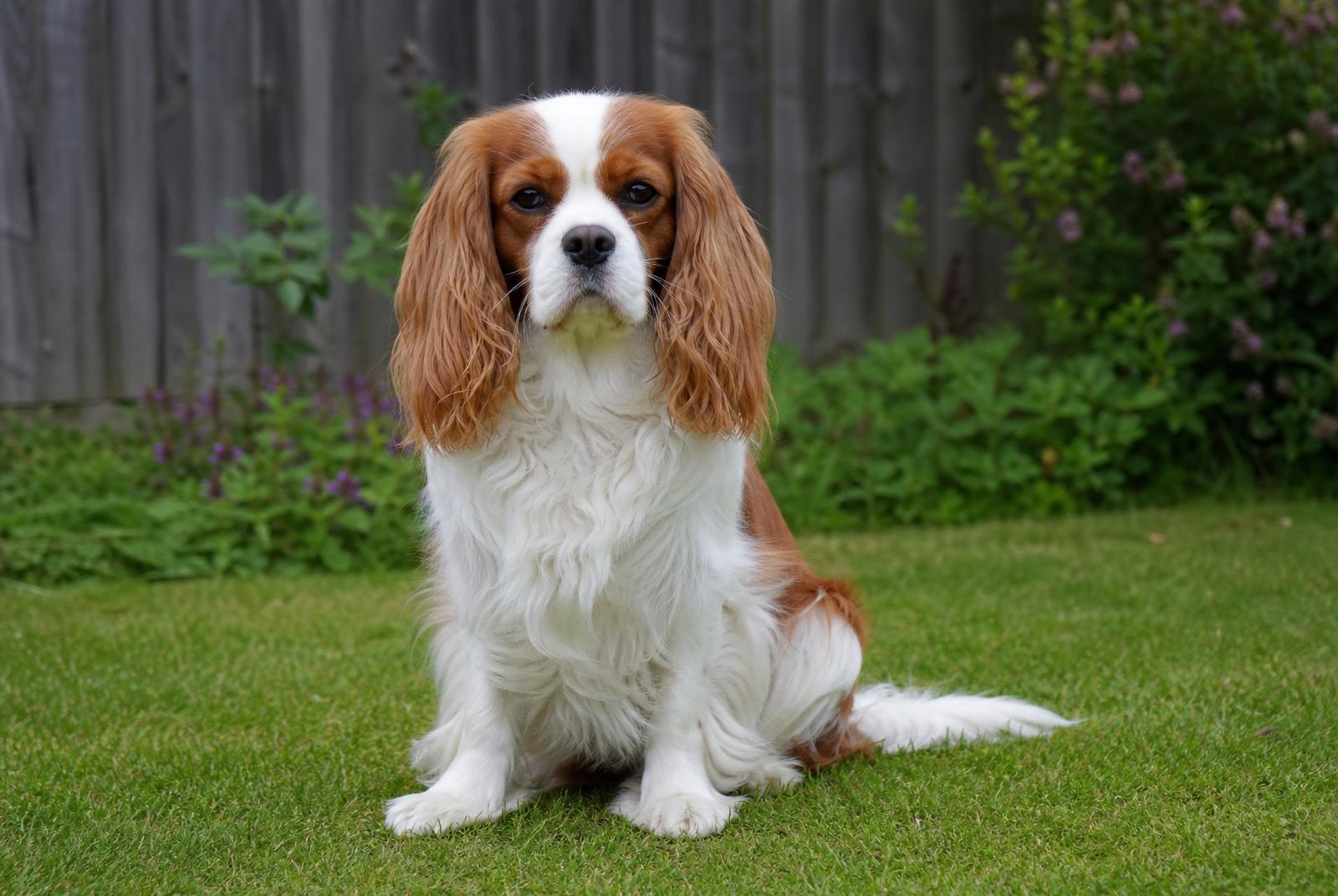
Cavalier King Charles Spaniel
The Cavalier King Charles Spaniel is a small, affectionate companion dog known for its gentle expression, silky coat and sociable nature. Cavaliers usually enjoy being close to their family and can suit many households, including flats, provided they receive daily exercise, company and opportunities to explore. They are generally responsive to kind training and often live happily with considerate children and other pets. Their feathered coat needs regular brushing, while their ears and teeth require particular attention.
About the Cavalier King Charles Spaniel
History & background
The Cavalier King Charles Spaniel descends from the small companion spaniels shown in British and European paintings from the 16th to 18th centuries. These dogs were associated with aristocratic households and became particularly linked with King Charles II. Over time, fashion favoured toy spaniels with shorter muzzles and more domed skulls, producing the dog now known as the King Charles Spaniel.
During the early 20th century, breeders sought to recreate the longer-muzzled spaniel seen in historic portraits. The resulting Cavalier King Charles Spaniel was recognised as a distinct breed in the UK. It remains a member of the Toy group, although its spaniel ancestry is apparent in its enthusiasm for walks, scent exploration and occasional pursuit of birds. Recognised colours are Blenheim, tricolour, ruby, and black and tan.
Temperament & personality
Cavaliers are typically affectionate, gentle and people-orientated. Many welcome visitors and enjoy sitting on a lap as readily as walking through the countryside. They tend to form close attachments and may find prolonged or frequent isolation difficult. Gradual alone-time training is important from puppyhood, alongside a routine that provides company without encouraging constant dependence.
Although usually friendly, every dog is an individual. Genetics, early socialisation, health, learning and life experience all affect behaviour. Puppies should meet different people, calm vaccinated dogs, surfaces, sounds and environments in a positive, controlled way. Fearfulness, guarding or distress should not be dismissed as a breed quirk; pain and illness can alter behaviour, so owners should seek veterinary advice and, where appropriate, help from a suitably qualified behaviour professional.
Personality traits
Common Cavalier King Charles Spaniel characteristics include:
- Strong affection for familiar people and a preference for company.
- A sociable manner when responsibly bred and well socialised.
- Moderate energy, combining enthusiasm outdoors with relaxation at home.
- Responsiveness to gentle, reward-based training.
- Spaniel instincts, including sniffing, investigating and sometimes chasing wildlife.
- Sensitivity to harsh handling, raised voices or punitive methods.
- A tendency to follow family members from room to room.
- Playfulness that often continues into adulthood.
- Potential difficulty coping with long periods alone.
- Alert barking in some individuals, although persistent barking is not usually a defining trait.
Cavalier King Charles Spaniel health — common conditions and vet costs
Top 6 conditions
Cavaliers have recognised predispositions to several disorders. Not every dog will be affected, and severity varies, but owners should understand the warning signs and financial implications. Diagnostic tests, referrals, medication and surgery are charged separately, so request a written estimate before non-emergency treatment.
- Mitral valve disease: Degeneration of a heart valve can eventually cause a murmur, coughing, reduced stamina, rapid breathing or heart failure. Monitoring may involve examinations, imaging and long-term medication. Typical cost band: moderate for ongoing monitoring and potentially high if specialist assessment or lifelong treatment is required.
- Chiari-like malformation and syringomyelia: Altered skull and spinal-fluid dynamics can produce fluid-filled cavities within the spinal cord. Signs may include unexplained yelping, neck or shoulder sensitivity, reluctance to jump, facial rubbing and apparent scratching without skin contact. MRI and specialist care may be needed. Typical cost band: high.
- Ear disease: Heavy, feathered ears can restrict airflow and contribute to inflammation or infection. Head shaking, odour, discharge, redness and pain need veterinary assessment because mites, allergies and foreign material can cause similar signs. Typical cost band: moderate, but potentially high for recurrent or complicated disease.
- Eye disease: Cavaliers may develop dry eye, cataracts and inherited or age-related retinal disorders. Redness, discharge, cloudiness, squinting or impaired vision should be assessed promptly. Corneal ulcers are painful and may deteriorate quickly. Typical cost band: moderate for medical management and potentially high for specialist investigation or surgery.
- Patellar luxation: One or both kneecaps may slip out of their normal groove, causing skipping, intermittent lameness or discomfort. Mild cases may be monitored, while persistent pain or instability can require surgery. Typical cost band: moderate for assessment and high when surgical treatment is advised.
- Dental disease: A small jaw can leave teeth crowded, encouraging plaque, gum inflammation and periodontal disease. Untreated disease causes pain and may require cleaning or extractions under anaesthesia. Typical cost band: moderate, rising to high when extensive extractions or advanced treatment are necessary.
Breed-specific screening tests
Before buying a puppy, ask for documented evidence of current health testing for both parents rather than relying on statements that they are healthy or vet checked. Relevant assessment includes heart examination under an appropriate breed scheme, eye testing and screening for episodic falling and dry eye-curly coat syndrome. Breeding decisions may also incorporate MRI assessment for Chiari-like malformation and syringomyelia. Ask the breeder to explain each result, the dogs' ages when tested and how those results informed the mating.
Screening reduces risk but cannot guarantee that a puppy will remain unaffected. Verify results through recognised records where possible and discuss them with your vet if anything is unclear. A responsible breeder should be open about longevity and disease in the wider family, allow puppies to be seen with their mother in their home environment, and avoid breeding from dogs with concerning symptoms or inappropriate results.
When to see a vet — red flags
Arrange veterinary advice if your Cavalier develops a persistent cough, reduced exercise tolerance, fainting, unusual tiredness, weight change, repeated head shaking, skin irritation, lameness, eye redness or unexplained pain. Facial rubbing, sudden yelping, reluctance to lower the head, sensitivity around the neck or phantom scratching can justify neurological assessment. Changes in thirst, appetite, breathing or behaviour should also be investigated.
Seek urgent care for collapse, severe breathing difficulty, blue or very pale gums, a swollen abdomen, uncontrolled bleeding, repeated seizures, sudden inability to walk, suspected poisoning or serious trauma. A painful, closed or cloudy eye also needs prompt assessment. When monitoring breathing at home, ask your vet to demonstrate the correct method and provide an individual action plan rather than relying on a generic threshold.
Family life with a Cavalier King Charles Spaniel
With children
A well-socialised Cavalier can be a warm and playful family companion, but its small frame makes rough handling risky. Adults should supervise every interaction, teach children to stroke gently and provide the dog with a quiet retreat that is never disturbed. Children should not lift the dog, climb on it, take food or toys away, or approach it while it is eating or sleeping. Dogs and young children should never be left together unsupervised, regardless of breed or previous behaviour. Watch for subtle discomfort such as lip licking, turning away, freezing or attempting to leave, and intervene before the dog feels forced to escalate.
With other pets
Cavaliers are often sociable with other dogs and may live successfully with cats when introductions are gradual and well managed. Use scent exchange, barriers and short supervised meetings, rewarding calm behaviour and allowing each animal separate food, beds and escape routes. Spaniel instincts mean some individuals chase birds, rabbits or other small animals, so contact should not be assumed safe. Compatibility depends on the individuals involved, and a dog's friendly behaviour outdoors does not automatically predict peaceful sharing of space or resources at home.
Home environment
The breed can adapt to a flat or house because physical size matters less than access to exercise, toileting, enrichment and companionship. Secure outdoor space is useful but does not replace walks. Stairs and slippery floors may be difficult for puppies, older dogs or those with joint, heart or neurological disease; gates, rugs and ramps can help where a vet recommends them. Cavaliers generally prefer living indoors with the family and can struggle in very hot weather. A comfortable resting area, predictable routine and carefully taught periods alone support emotional wellbeing.
Exercise & training
Exercise needs
A healthy adult Cavalier commonly enjoys around 45 to 60 minutes of daily activity, usually divided into walks and play. Individual needs vary with age, fitness, health and personality. Sniffing walks, gentle games and short training sessions offer useful mental stimulation. Many Cavaliers retain enough spaniel instinct to follow scents or chase wildlife, so practise recall in secure places and use a lead where livestock, roads or unreliable recall create risk.
Puppies need shorter, age-appropriate outings and plentiful sleep rather than forced marches, repetitive jumping or sustained running. Older dogs may still enjoy frequent gentle walks but require a pace suited to their comfort. Dogs with a murmur, breathing changes, pain or neurological signs need a veterinary exercise plan. Avoid strenuous activity during hot conditions, provide water and choose cooler times of day.
Training approach
Use reward-based methods built around food, toys, praise and access to enjoyable activities. Short, varied sessions suit this sensitive, people-focused breed. Priorities include recall, loose-lead walking, calm greetings, settling, cooperative grooming and exchanging items without conflict. Teach a reliable response to the dog's name before expecting concentration around distractions. Avoid punishment or physical corrections, which may cause fear and damage trust.
Begin alone-time training in very small steps while the puppy remains relaxed. Returning before distress develops is more effective than allowing prolonged crying in the hope that it stops. Toilet training also depends on frequent opportunities, close supervision and calm rewards outdoors. If a Cavalier panics when left, damages exit points, vocalises persistently or cannot eat in the owner's absence, ask a vet to exclude medical factors and seek qualified behavioural support.
Grooming & coat care
Coat & routine
The medium-length, silky coat has feathering on the ears, chest, legs and tail. Brush and comb it several times a week, paying attention behind the ears, under the legs and around the feet, where tangles readily form. Daily attention may be needed during shedding or after muddy walks. Work from the ends of tangles without pulling the skin, and seek professional help for extensive matting rather than cutting close to the body. Regular handling should be paired with rewards so that grooming remains comfortable. Check the skin for redness, parasites, lumps and sore areas as you work.
Bathing, ears, nails & teeth
Bathe when dirty using a dog-appropriate shampoo, rinsing and drying the coat thoroughly. Examine the ear openings regularly, but do not insert cotton buds or use medicated cleaners unless advised by a vet. Odour, discharge, pain or repeated shaking requires assessment. Trim nails often enough to prevent overgrowth, asking a vet nurse or groomer for guidance if the quick is difficult to identify. Daily tooth brushing with dog-safe toothpaste offers the best home protection against plaque. Introduce it gradually and arrange dental checks, as bad breath, bleeding gums, loose teeth or difficulty eating can indicate painful disease.
Diet & nutrition
Feeding a Cavalier King Charles Spaniel
Choose a complete food appropriate for the dog's life stage and follow the manufacturer's starting guide, adjusting the amount with veterinary advice according to body condition and activity. Weigh meals rather than estimating by eye, include training treats in the daily allowance and keep high-fat human foods out of reach. Cavaliers can gain excess weight when portions are generous or exercise is restricted. You should be able to feel the ribs under a light covering and see a waist from above.
Puppies need a complete puppy diet divided into suitable meals, while older dogs or those with heart, dental, gastrointestinal or weight problems may need an individual plan. Do not add supplements or adopt a home-prepared diet without veterinary guidance, as nutritional imbalance and interactions are possible. Change foods gradually unless your vet advises otherwise. Contact the practice for persistent vomiting, diarrhoea, appetite loss, swallowing difficulty or unexplained weight change. Fresh drinking water should always be available.
How much does a Cavalier King Charles Spaniel cost at the vet?
UK average prices
Based on our dataset of ~5,000 UK vet practices, the UK average consultation is £60.60. For a dog the typical booster vaccination averages £70.56, castration averages £257.13 and spaying averages £348.88. Microchipping averages £26.49. Individual practice charges vary regionally and by ownership (corporate vs independent). Always request a written estimate.
Routine annual budget
A Cavalier's routine veterinary budget is generally moderate and should cover health examinations, vaccination where recommended, parasite control based on individual risk, and dental monitoring. Food, grooming, training, insurance and emergency care are separate household costs. Dogs with heart, neurological, eye, ear or dental disease may require a high budget because repeated examinations, diagnostic imaging, medication, laboratory monitoring or referral can be necessary. Preventive-care plans can spread specified routine charges but are not the same as insurance and usually exclude unexpected illness. Ask what is included, compare like for like and request written estimates for investigations or procedures.
Pet insurance for a Cavalier King Charles Spaniel
Why insurance matters
Insurance can help owners manage unexpected veterinary bills, which is particularly relevant for a breed predisposed to chronic heart disease and potentially complex neurological, eye and orthopaedic problems. A policy does not prevent illness and will not necessarily cover every investigation or treatment. Conditions or signs recorded before cover begins may be excluded as pre-existing, and waiting periods usually apply. Arrange suitable cover early, disclose medical information accurately and keep the policy active if continuous protection is important. Alternatively, owners need a realistic emergency fund, although serious or lifelong disease can create high costs.
What to look for
Compare the veterinary-fee limit, whether it renews for each condition, the excess, any percentage contribution, and restrictions relating to age, dental treatment, congenital or hereditary disease, diagnostics, rehabilitation and specialist referral. Lifetime policies may continue supporting eligible chronic conditions while renewed, subject to terms and annual limits; time-limited or maximum-benefit policies work differently. Check whether claims affect renewal premiums and whether routine dental examinations are required for dental cover. Read the full policy wording rather than choosing on premium alone, and ask the insurer to clarify exclusions in writing.
Choosing a vet for your Cavalier King Charles Spaniel
What to look for
Look for a practice that communicates clearly about breed-related heart, neurological, eye, ear and dental risks and offers continuity for long-term monitoring. Ask about emergency arrangements, appointment availability, imaging, dental facilities, referral pathways and how written estimates are provided. A vet willing to explain findings and demonstrate home monitoring can help you make informed decisions. Location also matters when a dog needs regular medication checks or urgent attention.
Use our vet price comparison tool to compare practices near you.
Frequently asked questions
How much exercise does a Cavalier King Charles Spaniel need?
A healthy adult commonly enjoys around 45 to 60 minutes each day, split between walks, play and training. Adjust this for age, fitness, weather and medical conditions. Puppies need shorter, gentle outings, while dogs with heart disease, pain or neurological signs should follow an exercise plan agreed with their vet.
Are Cavalier King Charles Spaniels good family dogs?
They are often affectionate, sociable family companions when responsibly bred, socialised and trained. Their small size makes them vulnerable to rough handling, so all contact with children requires adult supervision. Provide a quiet retreat and teach children not to disturb a dog while it is eating, sleeping or attempting to move away.
Can a Cavalier King Charles Spaniel be left alone?
Cavaliers are strongly people-orientated and some struggle with separation. Teach alone time gradually from puppyhood, beginning with very brief, relaxed absences. They are not well suited to routinely spending long periods without company. Persistent barking, destruction, toileting or panic when alone warrants veterinary and qualified behavioural advice.
What health problems are common in Cavalier King Charles Spaniels?
Important concerns include mitral valve disease, Chiari-like malformation and syringomyelia, ear disease, eye disorders, patellar luxation and dental disease. Screening breeding dogs can reduce some risks but cannot guarantee health. Regular examinations and prompt attention to coughing, pain, fainting, eye changes or reduced stamina are important.
How much does a Cavalier King Charles Spaniel cost at the vet in the UK?
Costs depend on the service and the dog's health. Based on our dataset of ~5,000 UK practices, an average consultation is £60.60 and a dog booster vaccination averages £70.56. Castration averages £257.13, spaying £348.88 and microchipping £26.49. Chronic or referred treatment can fall into a high cost band. Always request a written estimate.
What should I ask a Cavalier King Charles Spaniel breeder?
Ask for verifiable, current heart and eye screening results and relevant DNA test results for both parents, plus information about MRI assessment where available. Discuss health and longevity across the wider family. See the puppies with their mother where they were raised, check that they are confident and clean, and avoid sellers who will not provide records or pressure you into a quick decision.
Related breeds
By The Vet Price Comparison Site editorial team · Last reviewed23 July 2026. Sources: RCVS, The Kennel Club, RVC VetCompass, ABI, and our live UK practice pricing dataset.