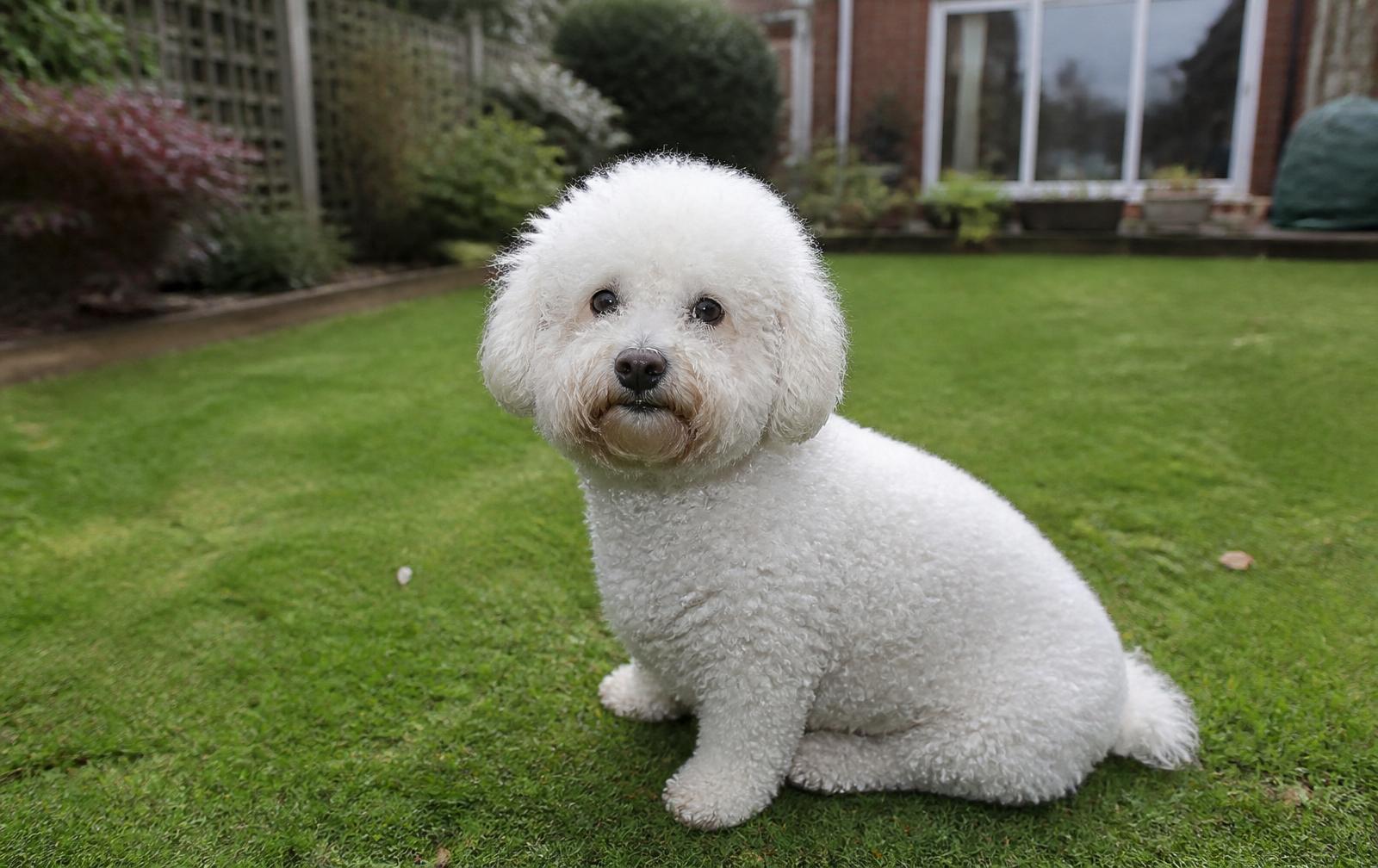
Bichon Frise
The Bichon Frise is a small white companion dog known for its cheerful expression, sociable nature and soft, curly coat. Compact enough for many flats and smaller homes, the breed can suit families, couples and individuals provided it receives regular company, daily activity and consistent training. Bichons are often affectionate and playful, forming close relationships with their owners. Their small size should not be mistaken for low maintenance: the coat requires substantial grooming, and some dogs find prolonged time alone difficult.
About the Bichon Frise
History & background
The Bichon Frise belongs to a family of small Mediterranean companion dogs with ancestry linked to water-spaniel-type dogs, including the Barbet. Small white dogs became popular around Mediterranean trading routes and later found favour among European nobility. Their history includes periods as fashionable lapdogs as well as performers accompanying travelling entertainers, where their intelligence, agility and engaging appearance were valuable qualities.
The modern breed was developed and standardised in France and Belgium before gaining recognition more widely. Its name reflects the breed's curly coat, while its traditional role remains companionship rather than hunting or guarding. In the UK, the Bichon Frise is placed in the Toy Group. Although elegant in appearance, it should be a sturdy, lively little dog with balanced movement and an alert, friendly manner.
Temperament & personality
Bichons are typically affectionate, playful and people-oriented. Many greet visitors enthusiastically and enjoy participating in whatever their family is doing. They tend to respond well to kind, reward-based teaching and can learn obedience, tricks and dog sports. Individual temperament still varies with genetics, early socialisation, health and experience, so prospective owners should meet the mother and, where possible, other relatives of a puppy.
Because companionship is central to the breed's character, some Bichons struggle when left alone for long periods. Distress may appear as barking, pacing, toileting indoors or destructive behaviour. Gradual independence training should begin early, without leaving a puppy to become overwhelmed. Bichons can also be alert barkers, particularly in busy flats, but calm training, adequate enrichment and careful management usually help. Harsh correction can damage confidence and is unnecessary.
Personality traits
Common Bichon Frise characteristics include:
- Affectionate: usually happiest when included in everyday household life.
- Sociable: often friendly with visitors and other suitable dogs when properly introduced.
- Playful: retains an enthusiastic, sometimes comical approach to games into adulthood.
- Intelligent: learns quickly, although it may also discover how to gain attention or treats.
- Sensitive: generally responds better to patient guidance than raised voices or punishment.
- Alert: likely to notice sounds in corridors, at windows or near the front door.
- Companionable: may be vulnerable to separation-related distress if independence is not taught.
- Adaptable: can live in different types of home when exercise, grooming and social needs are met.
Bichon Frise health — common conditions and vet costs
Top 6 conditions
No individual dog is guaranteed to develop a breed-associated disorder, but owners should recognise common concerns. Treatment depends on diagnosis, severity, local fees and whether referral care is needed. The bands below are qualitative rather than quotations; always ask the practice for a written estimate.
- Dental disease: Plaque, tartar and gum inflammation are common concerns in small dogs with crowded teeth. Untreated disease can cause pain, infection and tooth loss. Care may involve examination, dental imaging, cleaning under anaesthesia and extractions, alongside home prevention. Typical cost band: moderate, potentially high when multiple extractions or advanced care are required.
- Patellar luxation: One or both kneecaps may slip out of their normal groove, causing intermittent skipping, lameness or discomfort. Mild cases may be monitored, while painful or persistent instability can require orthopaedic assessment and surgery. Typical cost band: moderate for investigation and management, rising to high if surgery and rehabilitation are needed.
- Skin allergies and dermatitis: Itching may be associated with environmental allergy, food sensitivity, parasites or secondary bacterial and yeast infections. Signs include licking, red skin, hair loss and recurring ear problems. Diagnosis and long-term control can involve repeated visits and medication. Typical cost band: moderate, with cumulative costs potentially high for chronic or specialist-managed disease.
- Ear disease: Hairy ear canals, moisture and underlying allergies may contribute to inflammation or infection. Head shaking, scratching, odour, discharge or pain need veterinary assessment because treatment depends on examination and testing. Typical cost band: moderate, potentially high for recurrent disease, sedation, imaging or surgery.
- Eye disorders: Bichons may experience cataracts and other painful or sight-affecting conditions. Cloudiness, redness, discharge, squinting, rubbing or reduced vision should not be dismissed as ageing. Some conditions need specialist examination or surgery. Typical cost band: moderate for investigation, rising to high where referral diagnostics or an operation are recommended.
- Bladder stones: Mineral stones can irritate the bladder, causing frequent urination, blood in the urine, discomfort or accidents indoors. Diagnosis may involve urine tests and imaging; treatment can include a veterinary diet, medication or surgery, depending on stone type and obstruction risk. Typical cost band: moderate to high, especially for emergency obstruction, hospitalisation or surgery.
Breed-specific screening tests
Before buying a puppy, ask the breeder which current Kennel Club and breed-club health recommendations have been followed. Relevant assessment commonly includes veterinary examination of the patellae and eye testing of breeding dogs. Depending on current breed guidance and family history, DNA testing for recognised inherited conditions may also be available. Test requirements can change, so verify current recommendations rather than relying on an old certificate or a verbal assurance that the parents are healthy.
Ask to see original, identifiable results for both parents and discuss what each result means. A screening result can reduce risk but cannot promise that every puppy will remain free of disease. A responsible breeder should also discuss longevity and health across the wider family, avoid breeding from dogs with poor temperament or significant disease, and provide veterinary records. Newly acquired puppies should receive an independent veterinary examination soon after arrival.
When to see a vet — red flags
Contact a vet promptly for persistent vomiting or diarrhoea, marked lethargy, collapse, breathing difficulty, severe pain, a swollen abdomen, repeated straining, sudden lameness or a rapid change in behaviour. Eye pain is urgent: squinting, pronounced redness, cloudiness, injury or sudden loss of vision warrants same-day advice. A dog repeatedly attempting to urinate but producing little or no urine may have an obstruction and needs emergency assessment.
Less dramatic changes also deserve attention. Arrange an appointment for ongoing itching, head shaking, bad breath, difficulty eating, unexplained weight change, increased thirst, urinary accidents or recurrent skipping on a hind leg. Small dogs can conceal discomfort, and waiting may allow dental, orthopaedic or skin disease to progress. If you are uncertain, telephone your veterinary practice or its out-of-hours provider for triage advice.
Family life with a Bichon Frise
With children
A friendly, well-socialised Bichon can be a rewarding family dog, particularly with children who understand gentle handling. Its small frame is vulnerable to falls, squeezing and rough play, so all interactions with young children need active adult supervision. Provide the dog with a quiet resting place that children do not enter, and teach them not to disturb it while eating or sleeping. Adults should watch for stress signals such as turning away, lip licking, freezing or trying to leave. The dog's needs and the child's behaviour matter more than breed reputation alone.
With other pets
Many Bichons live successfully with other dogs and can share a home with cats after gradual, controlled introductions. Early positive socialisation helps, but temperament, previous experience and the other animal's behaviour remain important. Use barriers and separate resources at first, reward calm behaviour and prevent chasing. Supervise interactions with larger dogs because accidental injury is possible. Small pets such as rabbits or rodents should remain securely separated; a companion-breed background does not remove all predatory interest.
Home environment
The breed can adapt well to a flat because it is small and does not need a large garden, but access to safe outdoor toileting and daily walks is still essential. Sound-sensitive or vocal dogs may need careful training in shared buildings. A secure garden is useful but cannot replace exercise or company. Bichons generally prefer living indoors near their family and may not cope well with lengthy, routine isolation. Non-slip flooring can help protect small joints, while gates should secure stairs and unsafe areas. Owners also need space and time for coat care.
Exercise & training
Exercise needs
Most healthy adult Bichons benefit from around 30 to 60 minutes of activity each day, usually divided between walks, play and training. The right amount depends on age, fitness, weather and health. Sniffing walks, recall games, food puzzles and gentle agility-style activities offer mental as well as physical stimulation. Despite the breed's size, being carried everywhere can contribute to frustration, excess weight and poor confidence.
Puppies need shorter, age-appropriate outings with plenty of rest, rather than forced long walks or repetitive jumping. Build duration gradually and ask your vet for guidance after illness or if joint problems are suspected. Older Bichons usually still benefit from regular movement, although routes may need shortening. In hot weather, exercise during cooler periods, provide water and stop if the dog becomes distressed, weak or unusually breathless.
Training approach
Use brief, consistent sessions based on food, toys, praise and access to enjoyable activities. Teach name response, recall, loose-lead walking, settling, handling and calm greetings from an early age. Socialisation should involve positive, controlled exposure to different people, friendly vaccinated dogs, sounds, surfaces, grooming equipment and veterinary-style handling. Avoid overwhelming the puppy in the name of socialisation.
Toilet training can require patience because a small puppy has limited capacity and bad weather may discourage outdoor trips. Offer frequent opportunities after sleep, meals and play, reward outdoor toileting immediately and clean accidents without punishment. Independence training is equally important: start with calm, very short separations and increase them gradually. If barking, destruction or distress develops when alone, seek veterinary advice and qualified behaviour support rather than leaving the dog to cry.
Grooming & coat care
Coat & routine
The Bichon's soft, curly double coat sheds relatively little into the home, but loose hair is retained within the coat and can mat. Low visible shedding does not make the breed maintenance-free or reliably suitable for every person with allergies. Comb or brush thoroughly to the skin every day or at least very frequently, concentrating behind the ears, under the collar, in the armpits and around the legs. Many owners use a professional groomer regularly for bathing, drying and trimming. Introduce grooming gently in puppyhood, checking the skin as you work. Mats should never be pulled painfully or cut close to the skin with scissors; severe matting may require careful clipping by a professional.
Bathing, ears, nails & teeth
Bathe as needed with a dog-appropriate product and dry the coat thoroughly, following veterinary advice if skin disease is present. Check the ears regularly for redness, smell, discharge or discomfort, but do not insert cotton buds or pluck ear hair routinely unless a veterinary professional recommends it for that dog. Trim nails often enough to prevent overgrowth, including any dewclaws. Dental care is particularly important: brush daily with dog toothpaste where possible and arrange regular veterinary oral checks. Tear staining can have several causes; keep the face clean and dry, and seek advice for persistent discharge, redness, odour or eye pain rather than using unverified remedies.
Diet & nutrition
Feeding a Bichon Frise
Choose a complete, balanced food appropriate for the dog's life stage and measure meals rather than estimating by eye. The manufacturer's guide is only a starting point: adjust intake according to body condition, activity, neuter status and veterinary advice. Treats and training rewards should form only a small part of the daily ration. Bichons can gain weight easily, and excess body fat places additional strain on joints and can complicate other health problems.
You should be able to feel the ribs beneath a light covering and see a waist from above. Monitor weight and body condition regularly, especially after neutering or during later life. Puppies usually need their daily ration divided into several small meals, while adults commonly manage fewer meals. Introduce dietary changes gradually. Do not attempt a restrictive or home-prepared diet without veterinary nutritional guidance. Increased thirst, appetite loss, urinary signs, vomiting, diarrhoea or unexplained weight change should prompt veterinary advice.
How much does a Bichon Frise cost at the vet?
UK average prices
Based on our dataset of ~5,000 UK vet practices, the UK average consultation is £60.60. For a dog the typical booster vaccination averages £70.56, castration averages £257.13 and spaying averages £348.88. Microchipping averages £26.49. Individual practice charges vary regionally and by ownership (corporate vs independent). Always request a written estimate.
Routine annual budget
A Bichon's routine veterinary budget is generally moderate and should allow for health examinations, vaccination when due, parasite-control advice and dental monitoring. Costs may become high if dental treatment, repeated skin or ear appointments, diagnostic imaging, orthopaedic surgery or specialist eye care is required. Grooming, food and insurance are separate household expenses. Ask what is included in any practice health plan, as this is not the same as insurance. Before treatment, request a written estimate and ask whether laboratory work, medicines, anaesthesia, follow-up visits and out-of-hours care are included.
Pet insurance for a Bichon Frise
Why insurance matters
Insurance can help owners manage unexpected veterinary bills arising from accidents or illness. This is relevant for a breed that may need long-term treatment for allergies or specialist care for orthopaedic, urinary or eye disease. Policies normally exclude pre-existing conditions and may impose waiting periods, so arranging suitable cover while a dog is young and healthy can provide broader protection. Insurance does not replace preventative care, and routine treatments are commonly outside standard accident-and-illness cover.
What to look for
Compare the veterinary-fee limit, whether it renews each year, the excess, any percentage contribution, age-related changes and limits applying per condition. Lifetime cover may be useful for recurring illness, but terms vary substantially. Check provisions for dental illness, complementary treatment, behavioural care, referral diagnostics and emergency treatment, along with exclusions for hereditary or congenital disease. Read the policy wording rather than relying on the headline summary, disclose the dog's medical history accurately and confirm whether premiums or contributions can change as the dog ages.
Choosing a vet for your Bichon Frise
What to look for
Choose a practice that is convenient for routine appointments and explains how emergency care is provided outside normal hours. Ask about experience with small-breed dentistry, patellar problems, dermatology and eye disease, as well as access to imaging, dental radiography and referral services. A helpful team should be comfortable demonstrating tooth brushing, nail care, body-condition assessment and low-stress handling. Compare what consultation and procedure fees include, how estimates are updated and whether follow-up appointments carry separate charges.
Use our vet price comparison tool to compare practices near you.
Frequently asked questions
Is a Bichon Frise a good family dog?
Bichons are commonly affectionate, playful family companions when responsibly bred, socialised and trained. They may suit homes with considerate children, but their small bodies are vulnerable to rough handling. Adults should supervise every interaction with young children, provide a protected resting area and teach children to recognise when the dog wants space.
Does a Bichon Frise shed, and is the breed hypoallergenic?
The curly coat sheds relatively little visibly because loose hair tends to remain trapped, but the dog still produces allergens in skin flakes and saliva. No breed is completely hypoallergenic. Anyone with allergies should spend time around adult Bichons before committing and seek medical advice where appropriate. Frequent grooming is essential to prevent mats.
How much exercise does a Bichon Frise need?
A healthy adult generally needs around 30 to 60 minutes of daily activity, adjusted for age, fitness, weather and medical needs. Split this between walks, play, sniffing and short training sessions. Puppies require shorter, gentler outings and ample sleep, while older dogs may need slower routes but still benefit from regular movement.
Can a Bichon Frise be left alone?
Bichons are companion dogs and some develop separation-related distress. They should not routinely be left for prolonged periods. Teach independence gradually from puppyhood, beginning with very short, calm absences. Barking, pacing, destruction or indoor toileting when alone may indicate distress and should be discussed with a vet and a qualified behaviour professional.
How much does Bichon Frise veterinary care cost in the UK?
Routine costs are generally moderate, while dental procedures, chronic allergy treatment, surgery or specialist care can be high. Based on our dataset, a UK consultation averages £60.60 and a dog booster vaccination averages £70.56. Charges vary by practice, location and clinical need, so request a written estimate before treatment.
How often does a Bichon Frise need grooming?
The coat needs daily or very frequent combing and brushing through to the skin, plus regular trimming by an experienced owner or professional groomer. Pay particular attention to friction areas where mats form. Teeth should ideally be brushed daily, with routine checks of the ears, nails, skin and eyes. Begin cooperative grooming training early.
Related breeds
By The Vet Price Comparison Site editorial team · Last reviewed23 September 2026. Sources: RCVS, The Kennel Club, RVC VetCompass, ABI, and our live UK practice pricing dataset.