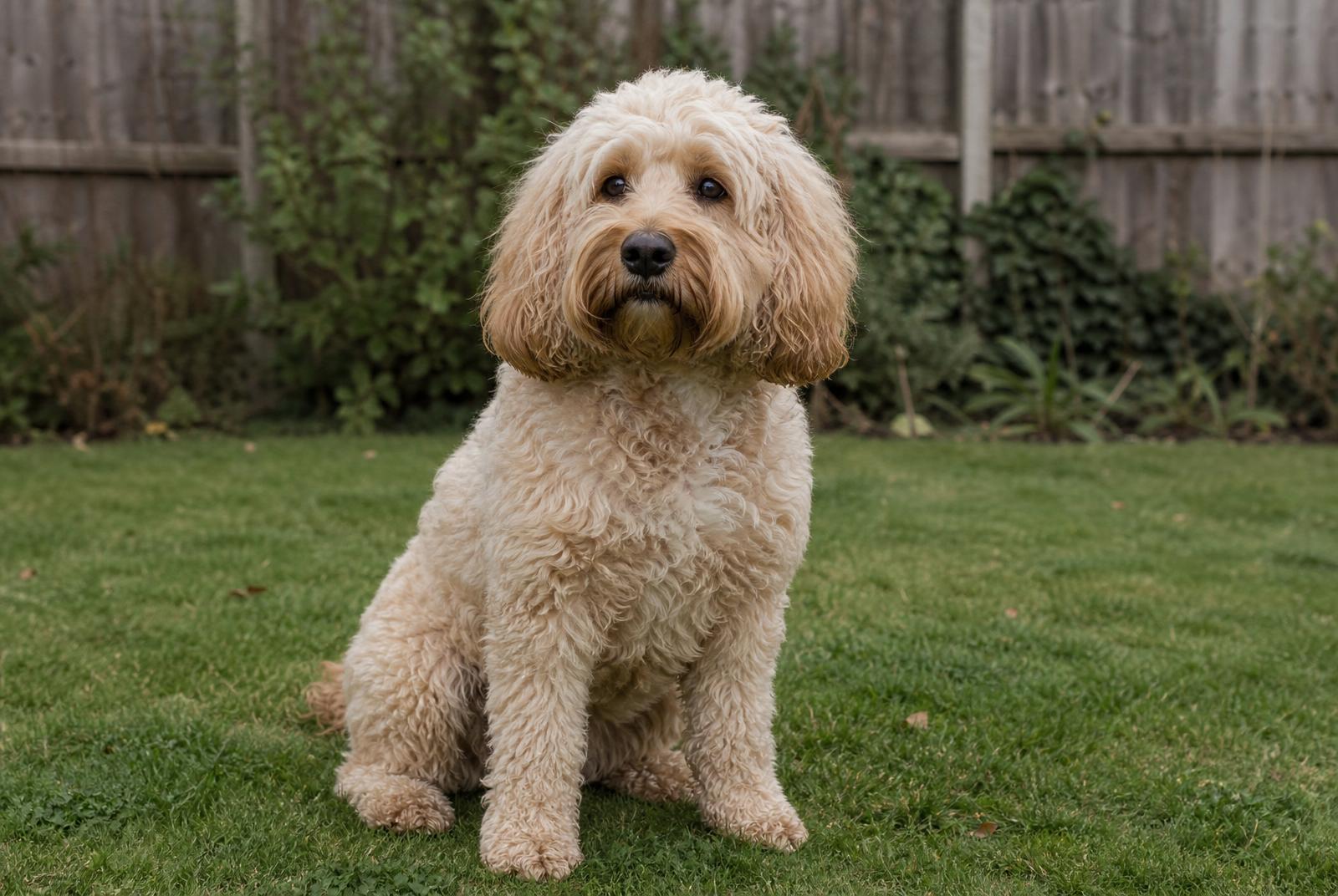
Cockapoo
The Cockapoo is a cheerful, affectionate crossbreed between the Cocker Spaniel and the Poodle, and one of the UK's most popular family dogs. Bred for temperament rather than a fixed standard, most Cockapoos are people-oriented, playful and highly trainable, with a soft wavy or curly coat that sheds far less than many breeds. Sizes vary from toy through to standard depending on the parent Poodle, but the personality is remarkably consistent: sociable, quick to learn and happiest when they're close to their humans.
About the Cockapoo
History & background
The Cockapoo is a cross between a Cocker Spaniel and a Poodle, usually an English Cocker Spaniel and a Miniature or Toy Poodle in the UK. It is not recognised as a pedigree breed by The Kennel Club, so there is no single UK breed standard governing its size, coat or temperament. Individual dogs can therefore differ considerably according to their parents and generation.
Most adult Cockapoos stand about 25-38 cm at the shoulder and weigh 5-11 kg. Crosses involving a Standard Poodle can be larger. Terms such as F1, F1b and multigenerational describe ancestry, not quality, health or predictability. An F1 Cockapoo has one Cocker Spaniel parent and one Poodle parent, while an F1b is usually a Cockapoo crossed back to a Poodle.
The cross became popular as owners looked for an intelligent, sociable companion with a potentially lower-shedding coat. No Cockapoo is guaranteed to be non-shedding or hypoallergenic. Coat, behaviour and health traits can come from either parent, and responsible breeding remains more important than generation labels or unusual colours.
Temperament & personality
Cockapoos are generally affectionate, people-focused and quick to learn. Many combine the Cocker Spaniel's enthusiasm with the Poodle's attentiveness and problem-solving ability. They often enjoy training, retrieving, scent games and active family life.
The same social nature can make being left alone difficult. Poorly managed Cockapoos may bark, chew, pace or become distressed when separated from their owners. Some are highly excitable around visitors or dogs, while those inheriting a strong spaniel hunting drive may chase birds and wildlife. Temperament is influenced by genetics, early handling, socialisation, training and everyday routine.
Prospective owners should meet the mother and, where possible, the father. Both should appear comfortable with people and ordinary household activity. Nervousness, persistent frantic behaviour or aggression should not be dismissed as a normal Cockapoo trait.
Personality traits
Common Cockapoo characteristics include:
- Affectionate
- Intelligent
- Playful
- People-oriented
- Energetic
- Trainable
Cockapoo health — common conditions and vet costs
Top 6 conditions
A Cockapoo can inherit conditions associated with either parent breed. The following problems deserve particular attention, although no individual dog will develop all of them.
- Ear disease: Hairy, pendulous ears can trap warmth and moisture, encouraging inflammation and infection. Signs include scratching, head shaking, odour, redness and discharge. A vet may examine the ear canal and take a sample for microscopy. Keeping ears dry and treating underlying allergy can reduce recurrences. Typical cost band: moderate for an uncomplicated episode, starting with the average £60.60 consultation plus diagnostic tests and medication; recurrent or deep infections are higher-cost.
- Allergic skin disease: Cockapoos may develop environmental or food-related allergy, causing itching, paw licking, recurrent ear trouble, hair loss or skin infection. Diagnosis can require examination, skin tests, parasite treatment and a structured elimination diet. Long-term management may include prescription medicine, medicated shampoo or immunotherapy. Typical cost band: moderate to high because repeated consultations and ongoing treatment are often required.
- Dental disease: Smaller Cockapoos can develop plaque, gum inflammation and crowded teeth. Bad breath, red gums, dropping food or chewing on one side need veterinary assessment. Daily brushing with dog toothpaste is the most useful preventive measure. Typical cost band: moderate for examination and routine dental treatment, rising if extractions or dental imaging are required. The supplied UK pricing dataset does not contain a dental procedure average, so owners should request a written estimate.
- Patellar luxation: The kneecap moves out of its normal groove, particularly in smaller dogs. An intermittent skip, lifted hind leg or reluctance to jump can be an early sign. Diagnosis is usually based on orthopaedic examination, sometimes supported by imaging. Weight control and appropriate exercise help protect joints, but significant cases may need surgery. Typical cost band: low to moderate for assessment and monitoring; high where specialist surgery and rehabilitation are needed.
- Inherited eye disease: Progressive retinal atrophy, cataracts and other eye disorders occur in the parent breeds. Night blindness, bumping into objects, cloudy eyes, redness or sudden visual change warrant assessment. DNA testing and eye examination of breeding dogs reduce avoidable inherited risk. Typical cost band: moderate for investigation, with a higher band for referral imaging or surgery.
- Hip and other joint disease: Hip dysplasia can cause stiffness, reduced activity, difficulty rising or an altered gait. Diagnosis usually combines physical examination with radiography. Keeping a dog lean, using controlled exercise and avoiding repeated high-impact activity during growth can help. Typical cost band: moderate for investigation and medical management; high for referral surgery or prolonged rehabilitation.
Treatment charges are set by individual practices. Other than the consultation average above, no numerical treatment bands are included because the supplied live dataset does not cover these procedures.
Breed-specific screening tests
There is no single official Cockapoo health scheme because the Cockapoo is not a Kennel Club-recognised breed. A responsible breeder should instead test each parent according to its own breed risks and provide original, verifiable certificates rather than saying that the parents were simply “vet checked”.
For Cocker Spaniel ancestry, relevant checks may include the BVA/KC hip dysplasia scheme, the BVA/KC/ISDS eye scheme and DNA testing for progressive retinal atrophy. Depending on whether the parent is an English or American Cocker Spaniel, additional DNA tests may include familial nephropathy, acral mutilation syndrome or adult-onset neuropathy.
For a Miniature or Toy Poodle parent, buyers should ask about current Kennel Club Breed Health Standard recommendations, including eye examination and relevant DNA tests such as progressive retinal atrophy. Hip assessment is particularly pertinent where a larger Poodle is used. A vet may also assess the kneecaps, although a routine examination is not equivalent to a formal inherited-disease scheme.
Ask for the registered names of both parents and check results through The Kennel Club's Health Test Results Finder where applicable. DNA-clear parents reduce the risk of specific tested mutations but do not guarantee a completely healthy puppy.
When to see a vet — red flags
Arrange prompt veterinary advice for repeated head shaking, painful or foul-smelling ears, persistent itching, a new limp, cloudy eyes, reduced appetite, vomiting, diarrhoea or an unexplained change in behaviour. Difficulty rising, repeated skipping on a hind leg or reluctance to exercise also deserves examination.
Seek urgent care for breathing difficulty, collapse, repeated unproductive retching, a swollen abdomen, seizures, major trauma, suspected poisoning, inability to pass urine or sudden loss of vision. Puppies can deteriorate quickly if they are repeatedly vomiting or have severe diarrhoea. Contact the practice before travelling so the team can direct you to its daytime or out-of-hours service.
Family life with a Cockapoo
Friendliness with children, strangers and other pets
A well-socialised Cockapoo can be an excellent family companion. Most enjoy company and play, but their energy can overwhelm very young children. Adults should supervise every interaction, teach children not to disturb a sleeping or eating dog, and provide a quiet retreat that is never used as punishment.
Many Cockapoos greet strangers enthusiastically. Calm reward-based training helps prevent jumping up and excited barking. Early, positive exposure to people of different appearances is more useful than forcing a puppy into crowded situations.
They often live successfully with other dogs and can share a home with cats when introductions are gradual. Spaniel ancestry may bring a strong desire to chase birds or small animals, so garden security and lead control matter. Compatibility should be judged by the individual dog's behaviour rather than the crossbreed label.
Ease of training, housing needs, time alone
Cockapoos usually learn quickly, including habits their owners did not intend to teach. Short, reward-based sessions work well. Recall, loose-lead walking, settling, handling and polite greetings should begin early. Harsh corrections can increase anxiety or excitement and are unnecessary.
A large house is not essential, but access to safe outdoor toileting and regular walks is. Flats can work if barking, lift or stair access and exercise needs are properly managed. A secure garden is useful but does not replace walking and training.
Build time alone gradually from puppyhood, starting with calm, brief separations. Cockapoos are not well suited to spending the working day routinely isolated. Owners who work away from home should plan suitable support through family, a responsible dog walker or daycare matched to the dog's temperament.
Exercise & training
A healthy adult Cockapoo generally needs around 60 minutes of physical exercise daily, divided into manageable outings, plus mental activity. More energetic dogs may enjoy longer walks, but constant high-intensity ball chasing is not necessary and can encourage over-arousal.
Good choices include woodland walks, controlled retrieving, scent work, swimming where water is safe, trick training and beginner agility after physical maturity. Puppies need shorter, age-appropriate outings with plenty of sleep and opportunities to explore. Avoid repetitive jumping, forced running and prolonged road exercise while bones and joints are developing.
A practical adult routine might include:
- A morning sniffing walk with recall practice.
- A food puzzle or short training session during the day.
- An afternoon or evening walk combining movement and calm exploration.
- A brief settling exercise before bedtime.
Teach recall using high-value rewards and a long line in safe spaces. Because some Cockapoos chase wildlife, off-lead freedom should wait until recall is reliable. Training should also include cooperative ear checks, tooth brushing, grooming and standing calmly on veterinary scales.
Grooming & coat care
Cockapoo coats range from straighter, spaniel-like hair to dense waves or tight Poodle-type curls. Shedding may be low, moderate or seasonally noticeable. No coat type is reliably hypoallergenic, and people with allergies should spend time around the individual dog before committing.
Brush at least 3-4 times a week, reaching gently to the skin rather than smoothing only the surface. Curly or soft coats may need daily attention, particularly behind the ears, in the armpits, around the harness and on the legs. A metal comb helps identify tangles missed by a brush. Severe matting is painful and may require clipping rather than brushing out.
Professional grooming is commonly needed every 6-8 weeks and typically costs £30-£70 in the UK, according to dog size, coat condition, location and service. Ask the groomer to keep the ear opening tidy without plucking healthy ear hair routinely unless advised by a vet.
Check ears weekly and dry them after swimming or bathing. Trim nails before they affect stance or walking, and brush the teeth daily with dog toothpaste. Introduce each procedure gradually with food rewards so handling remains comfortable.
Diet & nutrition
Feed a complete diet appropriate to life stage and body size. Puppies need a balanced growth food divided into regular meals; an adult formula is suitable once growth is complete. Senior dogs benefit from regular weight, dental and mobility reviews rather than an automatic switch based only on age.
Use the manufacturer's starting guide, then adjust the ration according to body condition. You should be able to feel the ribs under a light covering and see a waist from above. Cockapoos can be highly food-motivated, so weigh meals and include training treats within the daily allowance. Puzzle feeders and scatter feeding can make part of the ration mentally useful.
Persistent itching or ear trouble is often blamed on food, but environmental allergy, parasites and infection are also common explanations. Do not repeatedly change diets without veterinary advice. A properly conducted elimination diet uses a prescribed novel or hydrolysed protein food exclusively for the period set by the vet, followed by a controlled challenge.
Sudden diet changes can cause digestive upset. Introduce a new food gradually and contact a vet for repeated vomiting, bloody diarrhoea, weight loss or ongoing poor appetite. Avoid high-fat scraps and check that human foods offered as treats are safe for dogs.
How much does a Cockapoo cost at the vet?
Typical UK prices (from our data)
The Vet Price Comparison Site's live dataset covers about 5,900 UK practices. Its first-opinion consultation average is based on a sample of 1,807 practices. Current averages relevant to a Cockapoo are:
- First-opinion consultation: £60.60.
- Dog annual booster vaccination: £70.56.
- Dog castration: £257.13.
- Dog spay: £348.88.
- Microchip: £26.49.
- Dental treatment: no dental average is present in the supplied dataset. Ask whether an estimate includes anaesthesia, dental X-rays, extractions, monitoring and take-home medication.
A reasonable routine annual veterinary budget is £300-£700. This estimate assumes one £70.56 booster, one £60.60 consultation, year-round flea and worm control, and provision for one insurance excess. It excludes insurance premiums, professional grooming, emergencies, major dental work, long-term medication and surgery.
Neutering should be discussed with your vet as an individual decision. Timing can take account of sex, size, physical maturity, behaviour, lifestyle and current clinical guidance rather than price alone.
Regional variation
Consultation prices differ by location. The highest county averages in the dataset are Leicestershire at £75.20, Oxfordshire at £70.02, Northamptonshire at £69.78, Surrey at £68.82 and Cheshire at £68.16. The lowest are Lincolnshire at £53.09, Merseyside at £54.41, Worcestershire at £54.84, Cornwall at £55.12 and North Yorkshire at £55.16.
These are county averages, not fixed fees. Compare what is included, opening hours and clinical facilities as well as the headline consultation price.
Corporate vs independent price difference
Corporate practices in the dataset average £69.91 for a consultation, £387.78 for a dog spay and £73.43 for a dog vaccination. Independent practices average £60.34 for a consultation, £349.20 for a dog spay and £62.15 for vaccination.
Ownership model does not by itself determine clinical quality or value. A higher fee may reflect location, staffing, appointment length, facilities or services included. Ask for a written estimate and whether follow-up checks, medication or laboratory work are charged separately.
Pet insurance for a Cockapoo
Cockapoo insurance commonly falls within a broad £15-£60 monthly band, depending on age, postcode, insurer, veterinary-fee limit, excess and cover type. This is a planning range rather than a quotation. Premiums generally rise as dogs age, and the cheapest policy may offer a low claim limit or restricted cover.
Lifetime cover is usually the most useful format for recurring problems such as allergy or ear disease because the veterinary-fee allowance can renew each policy year while cover continues. By contrast, time-limited and maximum-benefit policies can stop contributing once their defined limit is reached.
Check exclusions for pre-existing symptoms, dental illness, congenital or hereditary conditions, behavioural treatment, complementary therapy and prescription diets. Confirm whether the excess is paid once per condition or each policy year and whether an additional percentage contribution applies to older pets. ABI guidance can help owners understand policy types, but individual wording governs every claim.
Insure early if possible, before itching, ear trouble, lameness or another symptom appears in the clinical record. Insurance is not a substitute for an emergency fund because owners may need to pay the practice before reimbursement.
Choosing a vet for your Cockapoo
Breed-specific questions to ask
- How does the practice investigate and manage recurrent ear infections?
- Can the team provide structured support for suspected skin or food allergy?
- Does the practice offer dental X-rays and routine dental assessment?
- How are patellar luxation, hip pain and other orthopaedic problems assessed?
- Which vaccination and parasite-control plan suits this dog's lifestyle and local risks?
- Can nurses help with weight checks, tooth brushing, ear care and cooperative handling?
- Where are eye, dermatology and orthopaedic cases referred when specialist care is needed?
- What is included in estimates, and how are insurance claims handled?
What to look for in a practice
Choose an RCVS-registered practice that communicates clearly, welcomes questions and can provide written estimates. Useful features include accessible appointment times, an identified out-of-hours provider, good inpatient monitoring, dental imaging and a straightforward referral pathway. RCVS Practice Standards Scheme accreditation provides additional reassurance that a practice has been assessed against defined standards.
Continuity is valuable for recurring ear, skin or digestive problems. Ask whether you can usually book with the same vet and whether the clinical team reviews previous treatment before changing a long-term plan. Observe how staff handle an anxious or excitable dog; calm, low-force handling can make future visits easier.
Price comparison is sensible, but compare like with like. Clarify whether a procedure estimate includes pre-anaesthetic assessment, laboratory tests, pain relief, monitoring, medicines and follow-up care. The best choice is a practice whose service, access and clinical approach meet your dog's needs within a sustainable budget.
Frequently asked questions
Are Cockapoos hypoallergenic?
No. Some Cockapoos shed less than many Cocker Spaniels, particularly those with curlier coats, but every dog produces allergens through skin flakes, saliva and urine. Coat inheritance is not predictable enough to guarantee a hypoallergenic puppy. Anyone with allergies should spend time with the individual dog and discuss significant symptoms with a medical professional before bringing it home.
How much exercise does a Cockapoo need?
A healthy adult generally needs around 60 minutes of physical exercise each day, alongside training and mental stimulation. Split this between walks, sniffing, retrieving or other suitable activity. Puppies need shorter, age-appropriate outings and ample rest. Exercise should be adjusted for health, fitness and weather, particularly if the dog has joint, heart or breathing problems.
How often should a Cockapoo be groomed?
Brush at least 3-4 times weekly, increasing to daily for a dense, curly or easily matted coat. Most need professional grooming every 6-8 weeks. A typical UK groom costs £30-£70. Check the ears weekly, brush the teeth daily and monitor nail length. Grooming requirements remain substantial even when the coat sheds very little.
What health tests should Cockapoo parents have?
Testing should match both parent breeds. Ask for current eye examination results, relevant progressive retinal atrophy DNA results and appropriate joint assessment. Cocker Spaniel testing may also cover familial nephropathy, acral mutilation syndrome or adult-onset neuropathy according to breed type. Check original certificates and Kennel Club records rather than accepting a general statement that the parents are health tested.
Is a Cockapoo expensive to insure?
It is usually a mid-range breed to insure, with a broad planning band of £15-£60 per month. Age, postcode, excess, veterinary-fee limit and previous medical history strongly affect quotations. Ear, skin, dental and joint problems can generate repeated costs, so compare lifetime limits and exclusions rather than choosing on monthly premium alone.
Is a Cockapoo a good first dog?
A Cockapoo can suit a committed first-time owner who has time for training, company, exercise and regular coat care. It is less suitable for someone wanting a low-maintenance dog or one that can routinely remain alone throughout the working day. Choose a puppy from health-tested, temperamentally sound parents, or ask a reputable rescue for an honest behavioural assessment of an adult.
Related breeds
By The Vet Price Comparison Site editorial team · Last reviewed23 September 2026. Sources: RCVS, The Kennel Club, RVC VetCompass, ABI, and our live UK practice pricing dataset.