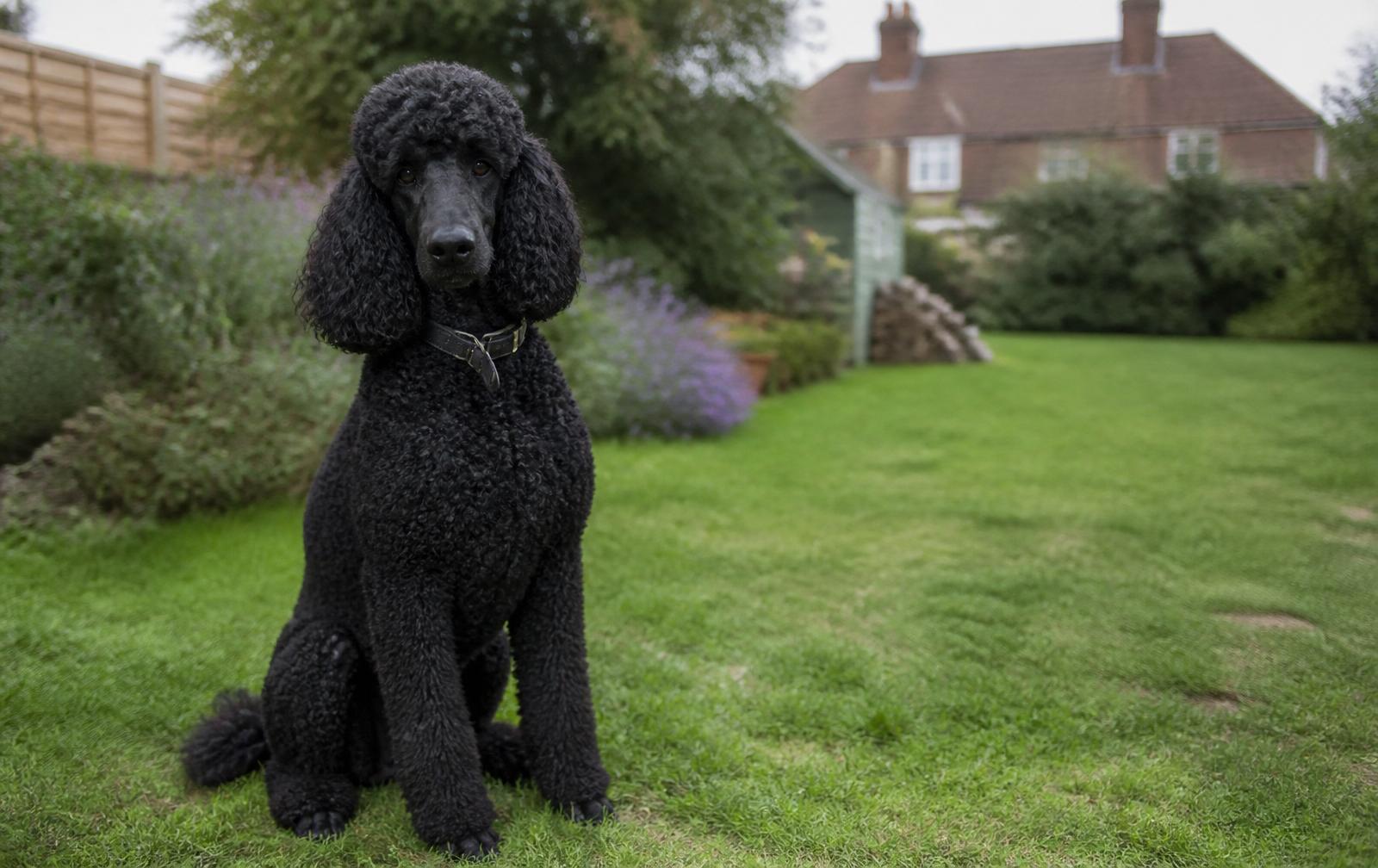
Poodle
The Poodle is an elegant, athletic and exceptionally intelligent dog, available in Standard, Miniature and Toy sizes. Although often associated with elaborate show clips, the breed began as a practical water retriever and retains an enthusiastic working character. Poodles usually form close bonds with their families, learn quickly and enjoy activities that challenge both body and mind. Their low-shedding, continuously growing coat may suit some households, but it requires substantial lifelong grooming and no dog is truly hypoallergenic.
About the Poodle
History & background
Despite its strong association with France, the Poodle's early development is generally linked to continental European water dogs, particularly those used in Germany. Its name is connected with words describing splashing in water. The breed retrieved waterfowl for hunters, and its dense, curly coat helped protect it in cold conditions. Traditional clipping was functional before becoming fashionable: selected areas were trimmed to improve movement while hair was retained around important joints and organs.
The Poodle later became popular in France as a sporting dog, companion and accomplished performer. Selective breeding established the Standard, Miniature and Toy varieties, which share the same essential breed type but differ markedly in scale. In the UK, the Poodle belongs to the Utility group. Modern Poodles participate successfully in obedience, agility, scent work, assistance work and showing, reflecting the breed's versatility and eagerness to engage with people.
Temperament & personality
Poodles are typically alert, responsive and highly people-focused. They often notice small changes in their surroundings and can be sensitive to household tension or harsh handling. Most thrive when included in family life and given clear, positive guidance. Their intelligence is an advantage, but it also means that boredom can produce barking, destructive behaviour or attention-seeking habits.
A well-socialised Poodle is generally friendly without necessarily greeting every stranger with immediate enthusiasm. Temperament varies between individuals and family lines, so meeting a puppy's mother and discussing the parents' behaviour with the breeder is important. Toy Poodles can be physically delicate, while Standard Poodles may remain exuberant well into adolescence. Calm exposure to people, dogs, sounds, handling and different environments helps every variety mature into a confident companion.
Personality traits
Common Poodle characteristics include:
- Highly intelligent: quick to learn cues, routines and unintended habits.
- People-oriented: usually happiest when involved in everyday family activities.
- Energetic: enjoys purposeful walks, games and canine activities.
- Sensitive: generally responds best to patient, reward-based handling.
- Alert: likely to notice visitors and unfamiliar noises, sometimes vocally.
- Playful: often retains a lively, humourous character into adulthood.
- Versatile: capable of succeeding in activities ranging from retrieving to trick training.
- Potentially reserved: early, thoughtful socialisation can prevent nervousness around unfamiliar situations.
Poodle health — common conditions and vet costs
Top 6 conditions
Poodles can live long, active lives, but inherited and acquired disorders occur. Risks differ between Standard, Miniature and Toy varieties, and an individual dog may never develop the conditions below. Veterinary costs depend on diagnostic work, severity, treatment and location, so ask for a written estimate before planned procedures.
- Hip dysplasia: abnormal hip development may cause stiffness, reduced mobility and arthritis, with Standard Poodles particularly relevant to screening. Management can involve weight control, physiotherapy, medication or surgery. Typical cost band: moderate for investigation and ongoing conservative care; high when surgery is required.
- Eye disease: inherited disorders including progressive retinal atrophy and cataracts can impair sight. Changes may first appear as reluctance in dim light, bumping into objects or cloudiness. Examination, genetic screening and specialist referral may be appropriate. Typical cost band: moderate for assessment; high for specialist investigation or suitable surgery.
- Patellar luxation: the kneecap slips from its normal position, causing intermittent skipping, lameness or discomfort. It is more relevant in smaller Poodles, although any dog can be affected. Mild cases may be monitored, while significant cases can require surgery. Typical cost band: moderate for diagnosis and monitoring; high for surgical correction.
- Gastric dilatation-volvulus: the stomach fills and can twist, creating a life-threatening emergency. Deep-chested Standard Poodles are at greater risk. Signs include unsuccessful retching, restlessness, drooling, abdominal enlargement, weakness or collapse. Typical cost band: high because emergency stabilisation and surgery may be necessary.
- Addison's disease: inadequate adrenal hormone production may cause vague or fluctuating signs such as lethargy, vomiting, diarrhoea, poor appetite, weight loss or collapse. Diagnosis usually requires blood tests and specific hormone testing; affected dogs commonly need lifelong medication and monitoring. Typical cost band: moderate for stable long-term management; high during an acute crisis or extensive investigation.
- Ear and skin disease: dense hair and limited airflow can contribute to painful external ear inflammation, while allergies may cause itching, licking and recurrent skin or ear infections. Treatment should address the underlying cause rather than relying on repeated cleaning. Typical cost band: moderate for straightforward episodes; high for chronic disease, allergy investigation or specialist care.
Breed-specific screening tests
Responsible breeders should use current health-testing recommendations appropriate to the particular Poodle variety. These may include hip assessment, specialist eye examinations and DNA tests for inherited eye disease. Depending on size and family history, assessment of kneecaps and DNA testing for other recognised inherited disorders may also be relevant. Standard Poodles and smaller varieties do not necessarily require identical programmes.
Ask to see original, verifiable results for both parents rather than accepting a verbal assurance that they are health tested. A DNA result shows the dog's status for a specific variant; it is not a guarantee of perfect health. Likewise, a veterinary check of a puppy is not a substitute for parental screening. Prospective owners can consult the Royal Kennel Club's current Health Standard and breed-club guidance, as schemes may change when evidence develops.
When to see a vet — red flags
Arrange veterinary advice promptly for persistent vomiting or diarrhoea, reduced appetite, unusual thirst, weight change, lethargy, recurrent itching, ear pain, limping, eye cloudiness or altered vision. Sudden weakness, collapse, breathing difficulty, severe pain, seizures or inability to pass urine require urgent attention. A Toy Poodle that is not eating, particularly a puppy, should be assessed promptly because small dogs can deteriorate quickly.
Unproductive retching, excessive drooling, a swollen abdomen, pacing or collapse may indicate gastric dilatation-volvulus and should be treated as an immediate emergency. Contact a veterinary practice while travelling so the team can prepare. Do not wait to see whether symptoms settle and do not offer food, water or home remedies unless a veterinary professional instructs you to do so.
Family life with a Poodle
With children
Poodles can be affectionate family dogs when children understand calm, respectful interaction. Standard Poodles are sturdy but may accidentally knock over a small child when excited; Toy Poodles are easier to injure through dropping, squeezing or rough play. Adults should supervise every interaction, provide the dog with an undisturbed resting place and prevent children approaching while it eats or sleeps. Teach children to stroke rather than hug, and to stop if the dog turns away, licks its lips, freezes or seeks distance. A dog's tolerance should never be assumed, regardless of breed or previous behaviour.
With other pets
Many Poodles live successfully with other dogs and cats, especially when introductions are gradual and positive. Their retrieving background can contribute to interest in moving animals, although prey drive varies. Small pets should remain securely housed and interactions carefully managed. Introduce dogs on neutral ground where possible, separate valuable resources and allow each animal its own retreat. Puppies need controlled experiences with calm, vaccinated dogs rather than overwhelming encounters. If there is persistent chasing, guarding, fear or conflict, seek help from a veterinary professional or suitably qualified clinical animal behaviourist.
Home environment
All sizes can adapt to varied homes, including flats, provided their exercise, toileting and mental needs are met. A secure garden is helpful but does not replace walks. Standard Poodles need enough indoor space to move comfortably, while stairs and high furniture can be hazardous for Toy puppies. The breed generally prefers company and may struggle if abruptly left for long periods. Build time alone gradually from puppyhood and provide safe enrichment. Because Poodles can alert-bark, reward quiet behaviour and manage views or communal noises in closely spaced housing. Secure fencing is important around an athletic, curious dog.
Exercise & training
Exercise needs
An adult Standard Poodle commonly suits an active household and may need around the upper end of the breed's suggested daily exercise range. Miniature Poodles are also energetic, while Toy Poodles need shorter distances because of their size, not an absence of activity. Combine walking with sniffing, retrieving, swimming where safe, controlled play and training. Exercise should match fitness, weather and health rather than pursuing a rigid target.
Puppies require frequent, gentle opportunities to explore without forced running, repetitive jumping or lengthy road exercise while joints mature. Older dogs may prefer several shorter outings, and those with orthopaedic or heart problems need an individual veterinary plan. Avoid strenuous activity in hot conditions, check curly coats for grass seeds after walks and dry the ears after swimming. Mental work, including scent searches and food puzzles, is particularly valuable for this intelligent breed.
Training approach
Use reward-based methods with food, toys, play and access to desired activities. Poodles learn rapidly, so keep sessions brief and varied, reward the behaviour you want and avoid punishment or intimidating equipment. Prioritise recall, loose-lead walking, settling, polite greetings, handling and exchanging objects. Training a reliable response around wildlife and water is important because some individuals retain strong retrieving instincts.
Grooming preparation is essential from the beginning. Introduce brushing, clippers, dryers, feet handling, ear checks and standing on a stable surface in tiny, positive steps. Separation training should be equally gradual. Intelligence does not make a puppy automatically easy: a quick learner can also rehearse unwanted behaviour efficiently. If fear, guarding, reactivity or separation-related distress develops, consult your vet to exclude pain or illness and obtain referral to an appropriately qualified behaviour professional.
Grooming & coat care
Coat & routine
The dense, curly coat sheds relatively little into the home because loose hair tends to remain trapped, but it mats readily. Brush and comb to the skin daily or near-daily, concentrating behind the ears, under the collar, in the armpits, around the legs and beneath harness straps. Surface brushing can leave painful mats close to the skin. Most pet Poodles have a practical clipped style maintained by a professional groomer every few weeks. Start grooming visits in puppyhood, and ask a groomer to demonstrate suitable tools and technique. Severe matting should be clipped safely rather than pulled apart at home. Low shedding does not mean hypoallergenic, because allergens occur in dander and saliva as well as hair.
Bathing, ears, nails & teeth
Bathe when dirty using a dog-appropriate product, rinse thoroughly and dry the coat fully to reduce tangles and skin irritation. Check ears regularly for redness, smell, discharge, head shaking or discomfort, particularly after swimming. Do not insert cotton buds or pluck ear hair routinely without veterinary or professional advice, as inflamed ears need diagnosis. Trim nails often enough to prevent overgrowth and check dewclaws carefully. Brush teeth daily with dog-safe toothpaste where possible; smaller Poodles can be particularly prone to dental crowding and periodontal disease. Persistent bad breath, bleeding gums, difficulty eating or a broken tooth warrants a veterinary examination.
Diet & nutrition
Feeding a Poodle
Choose a complete food appropriate for the dog's life stage and size, then adjust portions according to body condition, activity and veterinary advice. Toy puppies may need smaller, more frequent meals, while Standard puppies need controlled growth rather than excessive calories or supplements. You should be able to feel the ribs beneath a light covering and see a waist from above. Weigh food rather than estimating, include training rewards in the daily allowance and review portions after neutering or changes in activity.
Provide constant access to fresh water and introduce dietary changes gradually. Avoid unbalanced home-prepared diets unless formulated by a veterinary nutrition professional, and never add calcium to a complete puppy food without veterinary direction. For deep-chested Standard Poodles, discuss meal patterns and gastric dilatation-volvulus risk with your vet; sensible precautions include avoiding one very large meal and intense exercise around feeding. Sudden appetite loss, repeated vomiting, abdominal swelling or rapid weight change requires veterinary advice.
How much does a Poodle cost at the vet?
UK average prices
Based on our dataset of ~5,000 UK vet practices, the UK average consultation is £60.60. For a dog the typical booster vaccination averages £70.56, castration averages £257.13 and spaying averages £348.88. Microchipping averages £26.49. Individual practice charges vary regionally and by ownership (corporate vs independent). Always request a written estimate.
Routine annual budget
A Poodle's routine veterinary budget is usually moderate, covering health checks, vaccination as advised, parasite control tailored to lifestyle and preventive dental care. Costs vary with bodyweight because some medicines are weight-based, so a Standard Poodle may cost more to treat than a Toy Poodle. Grooming is a separate, substantial recurring expense and should be included in household planning.
Illness, injury, diagnostic tests, emergency consultations, referral and long-term medication can move costs into a high band. Older dogs may need closer monitoring, while chronic skin, ear, endocrine or orthopaedic disease can create repeated expenses. Ask practices what is included in a preventive healthcare plan, compare like with like, and request a written estimate before non-emergency investigations or treatment. An emergency fund remains useful even when a dog is insured.
Pet insurance for a Poodle
Why insurance matters
Poodles may require costly investigation or long-term care for eye, hormonal, skin, joint or neurological problems, while Standard Poodles can also face emergency treatment for gastric dilatation-volvulus. Insurance can help make eligible veterinary treatment more manageable, but policies differ substantially. Cover is generally most useful when arranged before symptoms or diagnoses arise, because pre-existing conditions are commonly excluded. Insurance does not remove the need to pay an excess, check claim limits or keep funds available for charges that the policy will not meet.
What to look for
Compare lifetime cover, the veterinary-fee limit, whether that limit renews each policy year and any separate cap per condition. Check excesses, age-related contributions, dental illness requirements, complementary treatment, behavioural care, emergency referral, diagnostic imaging and prescription food exclusions. Ask how bilateral conditions, hereditary disorders and recurring ear or skin disease are handled. Read the full wording rather than choosing by premium alone, and disclose all previous veterinary history accurately. Premiums and terms can change as a dog ages, so review continuing affordability without allowing useful cover for an existing condition to lapse inadvertently.
Choosing a vet for your Poodle
What to look for
Choose a practice that communicates clearly, welcomes preventive care and is comfortable with the needs of your Poodle's size. Useful questions include how emergencies are covered outside normal hours, whether hospitalised animals are supervised overnight, what dental facilities and monitoring are available, and when referral is recommended. For a Standard Poodle, ask about experience with large, deep-chested dogs; for Toy and Miniature Poodles, careful handling and dental expertise are particularly valuable. A practice should explain options, likely benefits, risks and costs without pressure. Ask for written estimates and clarify whether follow-up visits, laboratory work, medicines and aftercare are included.
Use our vet price comparison tool to compare practices near you.
Frequently asked questions
What is the difference between Standard, Miniature and Toy Poodles?
The three varieties share the same general breed characteristics but differ in height and weight. Standard Poodles are the largest and usually need more physical exercise and living space. Miniature Poodles are compact but remain athletic, while Toy Poodles are very small and require protection from falls and rough handling. Health risks and suitable screening can also differ, so ask breeders for results relevant to the specific variety.
Are Poodles hypoallergenic?
No dog is truly hypoallergenic. Poodles shed relatively little, and their curls tend to trap loose hair, so some people find them easier to live with. However, dog allergens are also present in saliva and dander. Anyone with allergies should spend time around adult Poodles before committing and seek medical advice where appropriate. Regular coat care and household cleaning may reduce exposure but cannot guarantee freedom from symptoms.
How much exercise does a Poodle need?
Most healthy adult Poodles need around 45-90 minutes of daily activity, adjusted for size, age, fitness and health. Standard Poodles often suit the upper end, although Miniatures can also be very energetic. Toy Poodles need meaningful exercise in shorter, size-appropriate outings. Include sniffing, retrieving and training rather than relying only on continuous walking. Puppies and older dogs need gentler, individually adjusted routines.
How much does a Poodle cost at the vet in the UK?
Routine costs vary by location, practice and the dog's size. Based on our dataset of ~5,000 UK practices, an average consultation is £60.60, a dog booster vaccination is £70.56, dog castration is £257.13, dog spaying is £348.88 and microchipping is £26.49. Illness, emergency treatment and referral can fall into a high cost band. Always request a written estimate.
Do Poodles bark a lot or cope well when left alone?
Poodles are alert and may bark at visitors, outdoor movement or unfamiliar sounds. Their close attachment to people can also make poorly prepared dogs vulnerable to distress when left. Teach quiet behaviour, provide sufficient physical and mental activity, and build absences gradually from a few calm moments. Persistent barking, destruction, toileting or panic during absences needs veterinary assessment and qualified behavioural support rather than punishment.
How often does a Poodle need grooming?
The coat generally needs brushing and combing daily or near-daily, reaching all the way to the skin. Most pet Poodles also require professional clipping approximately every 4-8 weeks, depending on coat length, lifestyle and chosen style. Check ears, nails and teeth routinely. Grooming should begin in puppyhood with short, positive sessions so handling, dryers and clippers become familiar rather than frightening.
Related breeds
By The Vet Price Comparison Site editorial team · Last reviewed27 August 2026. Sources: RCVS, The Kennel Club, RVC VetCompass, ABI, and our live UK practice pricing dataset.