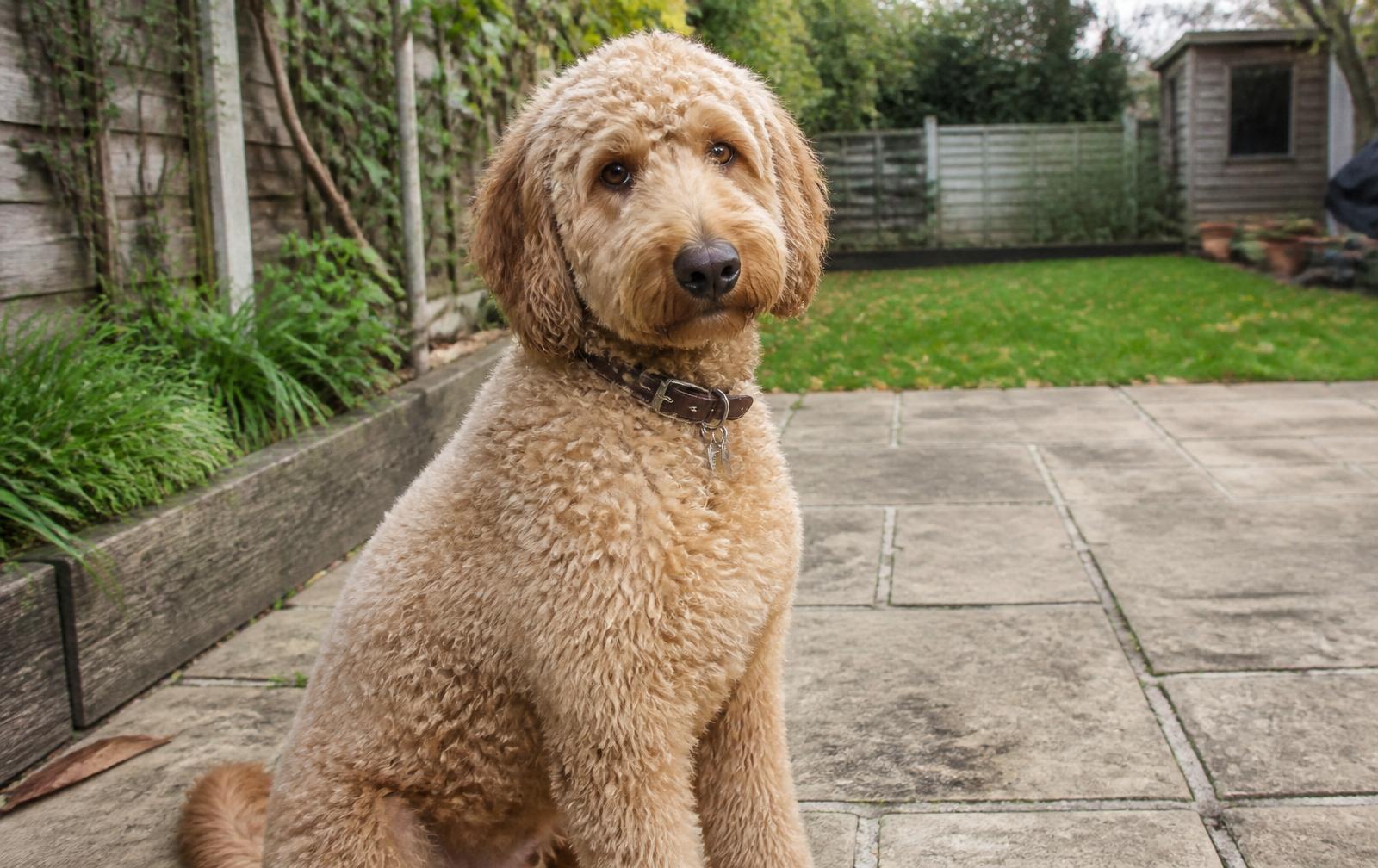
Labradoodle
The Labradoodle is a Labrador Retriever–Poodle cross, valued for its sociable nature, intelligence and enthusiasm for family life. Size, coat and temperament can vary considerably according to the parents, generation and individual dog. Many are energetic, affectionate companions that enjoy training, games and outdoor activities. However, no Labradoodle is guaranteed to inherit a particular coat type, size or personality, so prospective owners should assess each dog as an individual.
About the Labradoodle
History & background
The Labradoodle is a cross between a Labrador Retriever and a Poodle. The name became widely recognised after crosses were developed as potential assistance dogs combining the Labrador's working temperament with the Poodle's coat qualities. Labradors were originally bred as retrieving gundogs, while Poodles are intelligent water retrievers despite their modern association with companionship and showing. This shared working heritage helps explain why many Labradoodles are active, people-focused and keen to learn.
The Labradoodle is not a single standardised breed, and appearance or behaviour cannot be predicted as precisely as it can in an established pedigree breed. A dog may have Labrador and Standard, Miniature or, less commonly, Toy Poodle ancestry. First-generation crosses can differ from later-generation dogs or those described as Australian Labradoodles. Labels such as F1 or F1b describe ancestry rather than guaranteeing size, coat, shedding or health. Prospective owners should ask about the actual parents, their temperaments, adult sizes and documented health tests rather than relying on a generation label.
Temperament & personality
Many Labradoodles are affectionate, outgoing and strongly motivated by interaction with people. They often enjoy retrieving, scent games, swimming and learning tricks. Their intelligence and enthusiasm can make training rewarding, but lively adolescents may jump up, pull on the lead or become overexcited unless calm behaviour is taught consistently. Some inherit greater sensitivity or watchfulness from the Poodle side, while others show the Labrador's exuberant approach to strangers and food.
Temperament is shaped by genetics, early experience, training and health. Good socialisation introduces a puppy gradually and positively to different people, friendly dogs, handling, household sounds, travel and varied environments. It should never involve overwhelming the puppy. Labradoodles commonly prefer regular company and may struggle if left alone suddenly or for prolonged periods. Teaching short, relaxed periods of independence from an early age can help reduce the risk of separation-related distress.
Personality traits
Common Labradoodle characteristics include:
- People-oriented: many seek company and enjoy taking part in everyday family activities.
- Energetic: most need purposeful exercise rather than relying only on access to a garden.
- Intelligent: they often learn quickly, including habits owners did not intend to teach.
- Playful: retrieving, scent work and interactive games can remain appealing into adulthood.
- Food-motivated: this can assist training, but portions and treats need careful management.
- Variable: coat, size, confidence, sociability and working drive differ substantially between individuals.
- Potentially sensitive: some respond poorly to harsh handling, shouting or inconsistent routines.
- Companionable: many dislike long periods without social contact or mental stimulation.
Labradoodle health — common conditions and vet costs
Top 6 conditions
A crossbreed can inherit health risks found in either parental line, and crossing two breeds does not automatically prevent genetic disease. The following conditions are relevant possibilities rather than diagnoses every Labradoodle will develop. Costs depend on severity, investigation, treatment, location and whether emergency or referral care is required. Ask your vet for a written estimate before non-urgent procedures.
- Hip dysplasia: abnormal development of the hip joints can cause pain, stiffness, reduced activity or arthritis. Management may involve weight control, physiotherapy, medication or surgery. Typical cost band: moderate for investigation and conservative care; high if advanced imaging or surgery is needed.
- Elbow dysplasia: developmental abnormalities within the elbow may lead to forelimb lameness and progressive arthritis, sometimes from a young age. Diagnosis can require imaging and referral assessment. Typical cost band: moderate for initial investigation and ongoing management; high for specialist imaging or surgery.
- Progressive retinal atrophy: inherited retinal degeneration causes worsening vision and may eventually lead to blindness. Genetic risks vary between family lines, and DNA testing may be available for relevant variants. Typical cost band: moderate for ophthalmic investigation; ongoing environmental support is usually more important than curative treatment.
- Ear disease: floppy, hairy ears can trap moisture and debris, contributing to inflammation or infection. Head shaking, odour, redness, discharge or pain require veterinary assessment because allergies, foreign bodies and resistant infection may be involved. Typical cost band: moderate, but recurrent or complicated cases can become high.
- Allergic skin disease: environmental or food-related allergies may cause itching, recurrent ear trouble, licking, redness and secondary infections. Diagnosis and long-term control can require repeated reviews, tests and medication. Typical cost band: moderate for straightforward episodes; potentially high when specialist investigation or lifelong management is required.
- Gastric dilatation-volvulus: larger, deep-chested Labradoodles may be at risk of the stomach filling and twisting. Unproductive retching, a swollen abdomen, restlessness, drooling, weakness or collapse are emergencies. Typical cost band: high because urgent stabilisation and surgery may be required.
Breed-specific screening tests
Before buying a puppy, ask to see original, verifiable health results for both parents. Appropriate testing depends on the Labrador and Poodle varieties involved, but commonly includes hip and elbow assessment, a recent specialist eye examination and DNA tests relevant to each parent's breed and family line. Examples may include tests for progressive retinal atrophy and other inherited disorders affecting Labradors or Poodles. A DNA result should be interpreted alongside the proposed mating: carrying a recessive variant does not necessarily mean a dog is ill, but two carriers should not be paired where affected puppies could result.
Testing is not a guarantee of a healthy puppy, but it can reduce avoidable risk. A responsible breeder should explain results clearly, discuss temperament and allow puppies to be seen with their mother in their normal environment. Ask about veterinary care, parasite control, microchipping and the socialisation programme. Avoid relying on claims such as hybrid vigour, allergy-friendly or fully health tested without seeing evidence. Your own vet can review documentation and advise on preventive care after the puppy comes home.
When to see a vet — red flags
Arrange veterinary advice if your Labradoodle develops persistent lameness, difficulty rising, reduced willingness to exercise, repeated ear trouble, marked itching, skin sores, vomiting, diarrhoea, unexplained weight change, increased thirst, coughing, breathing changes, eye cloudiness or altered vision. Behavioural changes such as irritability, withdrawal, disturbed sleep or reluctance to be handled can also indicate pain. Early assessment may prevent discomfort from becoming chronic.
Seek urgent veterinary help for collapse, severe breathing difficulty, uncontrolled bleeding, repeated seizures, inability to pass urine, suspected poisoning, major trauma or sudden severe pain. Unproductive retching, abdominal swelling, drooling and restlessness may indicate gastric dilatation-volvulus and must be treated as an emergency. Contact a vet immediately rather than offering food, medication or home remedies. Keep your daytime practice and out-of-hours provider details accessible.
Family life with a Labradoodle
With children
A well-socialised Labradoodle can be an affectionate family dog, but energetic youngsters may accidentally knock over small children. Adults should supervise every interaction, teach children not to disturb a dog while eating or sleeping, and provide a quiet retreat that is always respected. Children should never climb on, hug tightly or take items from a dog. Reward calm greetings and teach the dog to settle away from busy play. Individual temperament matters more than the crossbreed label, and a dog showing fear, guarding or discomfort should receive prompt, qualified behavioural support alongside veterinary assessment.
With other pets
Many Labradoodles live successfully with other dogs and can share a home with cats, particularly when introductions are gradual and well managed. Their size, exuberance and retrieving or chasing instincts can nevertheless overwhelm smaller animals. Use barriers and leads initially, reward calm behaviour, feed pets separately and provide each animal with safe resting areas. Never assume a friendly dog is safe around rabbits, rodents, poultry or other small pets. Compatibility depends on the individuals, previous experience and careful supervision rather than breed alone.
Home environment
A Labradoodle benefits from a secure home, reliable access to outdoor toileting and enough space to rest away from noise. A garden is helpful but does not replace walks, training or exploration. Smaller, calmer individuals may adapt to a flat if their exercise and toilet needs are met, whereas large or highly active dogs can find confined living difficult. Consider stairs if choosing a puppy, an older dog or an individual with joint disease. Because many are socially motivated, households should plan companionship, gradual alone-time training and dependable care during working hours.
Exercise & training
Exercise needs
Healthy adult Labradoodles commonly need around one to two hours of activity daily, divided into suitable outings and adjusted for size, fitness, weather and individual drive. This can combine walking, sniffing, controlled retrieving, swimming where safe and training games. Mental activity is important: food searches, scent work and problem-solving can help an energetic dog settle more effectively than repetitive high-impact exercise alone. Keep identification details current and practise recall on a long line before allowing freedom in secure, permitted areas.
Puppies need short, varied outings and opportunities to explore at their own pace rather than forced running, repeated jumping or long-distance exercise. Older dogs and those with joint, heart or respiratory conditions require an individual plan from their vet. Build activity gradually, provide water and avoid strenuous exercise in hot weather. Stop if the dog becomes distressed, unusually tired, lame or reluctant to continue. Swimming is not suitable for every dog and should be supervised, with attention to currents, water quality and safe entry and exit.
Training approach
Use reward-based training with food, toys, play or access to valued activities. Short sessions help maintain concentration. Priorities include recall, loose-lead walking, calm greetings, settling, handling for grooming and veterinary care, and leaving or exchanging found objects. Labradoodles can become easily aroused, so reinforce four paws on the floor and calm observation rather than allowing every encounter to become an exciting greeting.
Start alone-time training with very brief, comfortable absences and increase gradually. Avoid punishment, intimidation and devices designed to cause pain or fear; these can worsen anxiety and damage trust. If your dog shows aggression, guarding, panic when left, persistent barking or an inability to settle, ask your vet to rule out pain or illness and seek a suitably qualified clinical animal behaviourist. Early support is particularly valuable during adolescence, when strength and confidence may develop faster than self-control.
Grooming & coat care
Coat & routine
Labradoodle coats may be straight, wavy, fleece-like or tightly curled, and grooming needs vary even within one litter. Curly or dense coats can mat close to the skin while appearing tidy on the surface. Brush and comb thoroughly several times a week, often daily around friction points such as the ears, collar, armpits, legs and tail. Introduce grooming gently in puppyhood and check that a comb reaches the skin without pulling. Many dogs need regular professional clipping. Mats should not be cut out with scissors at home because folded skin is easily injured. Labradoodles can shed, and no coat is guaranteed to be hypoallergenic; people with allergies should spend time with the individual dog before making a commitment.
Bathing, ears, nails & teeth
Bathe when needed using a dog-appropriate product, rinse carefully and dry dense coats fully. Check ears regularly for redness, odour, discharge or soreness, especially after swimming, but do not insert cotton buds or pluck hair routinely without veterinary advice. Keep nails at a comfortable length and ask a groomer or veterinary professional for help if the quick is difficult to identify. Brush teeth daily with dog-safe toothpaste where possible; human toothpaste is unsuitable. New bad breath, bleeding gums, difficulty eating or a broken tooth warrants veterinary assessment. Grooming sessions are also useful for checking the skin, paws, eyes and body for lumps, wounds, parasites or painful areas.
Diet & nutrition
Feeding a Labradoodle
Choose a complete diet appropriate to your dog's life stage, size and health. Because Labradoodle sizes vary widely, feeding instructions should be based on the individual food and the dog's healthy body condition rather than a generic breed portion. Weigh meals, include training rewards within the daily allowance and review portions when activity, neuter status or weight changes. You should be able to feel the ribs under a light covering and see a waist from above. Your vet or veterinary nurse can help assess body condition and design a safe weight-management plan.
Feed puppies a suitable growth diet and avoid unbalanced supplements unless prescribed. Larger puppies particularly need controlled nutrition for steady development. Dividing food into meals can help with routine and appetite monitoring. Do not exercise a large dog strenuously around meals, and discuss gastric dilatation-volvulus risk with your vet. Introduce dietary changes gradually. Seek veterinary advice for recurrent digestive upset, itching, suspected food allergy or reduced appetite rather than repeatedly changing diets, as symptoms may have causes requiring diagnosis.
How much does a Labradoodle cost at the vet?
UK average prices
Based on our dataset of ~5,000 UK vet practices, the UK average consultation is £60.60. For a dog the typical booster vaccination averages £70.56, castration averages £257.13 and spaying averages £348.88. Microchipping averages £26.49. Individual practice charges vary regionally and by ownership (corporate vs independent). Always request a written estimate.
Routine annual budget
Routine annual veterinary costs are generally moderate and may include a health examination, vaccination according to your vet's risk-based advice, parasite prevention and dental monitoring. The total varies with bodyweight because some medicines are size-dependent, and with lifestyle, location and practice charging structure. Grooming, food, training, insurance and emergency treatment are separate considerations. Dental procedures, investigation of chronic skin or ear disease and treatment for joint problems can move costs into a high band. Ask which services are included in any practice plan, compare like for like and request a written, itemised estimate before non-emergency treatment.
Pet insurance for a Labradoodle
Why insurance matters
Labradoodles may require investigation or long-term treatment for inherited, developmental or acquired conditions. Emergency abdominal surgery, orthopaedic treatment, referral imaging and chronic allergy care can fall into a high cost band. Insurance can help make eligible care more manageable, but policies differ and pre-existing conditions are usually excluded. Arrange cover while the dog is healthy, read the wording carefully and be prepared to pay any excess or co-payment. Insurance does not replace a routine preventive-care budget, and many policies do not cover vaccination, parasite prevention, neutering or ordinary dental maintenance.
What to look for
Compare the veterinary-fee limit, whether it renews each policy year, and any separate limits for each condition. Check exclusions for hereditary or congenital disease, dental illness, complementary treatment, behavioural support, diagnostic imaging and referral care. Understand waiting periods, excesses, age-related contributions and what happens if the insurer changes terms at renewal. Lifetime-style cover can support ongoing eligible conditions provided the policy remains active, but wording varies. Disclose the dog's full medical history accurately and ask the insurer to clarify ambiguous terms in writing before purchasing.
Choosing a vet for your Labradoodle
What to look for
Choose a practice that communicates clearly, welcomes cooperative handling and can advise on weight, joints, ears, skin, dental care and breed-relevant screening. Ask about appointment availability, out-of-hours arrangements, hospitalisation, referral pathways and how estimates are updated if a treatment plan changes. If your dog is anxious, ask whether the team offers quiet waiting options, pre-visit preparation or confidence-building visits. For a large Labradoodle, accessible facilities and staff comfortable handling bigger dogs can be valuable. Registration before illness occurs makes it easier to obtain timely care and transfer medical records.
Use our vet price comparison tool to compare practices near you.
Frequently asked questions
Is a Labradoodle a good family dog?
Many Labradoodles are friendly, playful family companions when their exercise, training and company needs are met. Their exuberance can be challenging around very young children, so calm greetings and close adult supervision are essential. Genetics and early experiences differ, and the crossbreed name does not guarantee temperament. Meet the individual dog and, when choosing a puppy, assess both parents where possible.
Are Labradoodles hypoallergenic or non-shedding?
No Labradoodle can be guaranteed hypoallergenic or non-shedding. Coat and allergen production vary between individuals, including puppies from the same litter, and allergens also occur in saliva and skin material. Curly coats may retain loose hair but often require intensive grooming to prevent matting. Anyone with allergies should seek medical advice and spend time with the individual dog before committing.
How much exercise does a Labradoodle need?
A healthy adult commonly needs around one to two hours of daily activity, divided into walks, sniffing, training and play. Needs vary substantially with size, age, health and inherited drive. Puppies should not be subjected to forced distance exercise or repeated high-impact activity, while older dogs may need shorter, gentler outings. Ask your vet for individual guidance if there is lameness or an underlying condition.
How much does a Labradoodle cost at the vet in the UK?
Costs depend on location, the dog's size and the care required. Based on our dataset of ~5,000 UK practices, an average consultation is £60.60, a dog booster vaccination is £70.56, castration is £257.13, spaying is £348.88 and microchipping is £26.49. Treatment for chronic disease or emergencies may fall into moderate or high cost bands. Request a written estimate from your practice.
How often does a Labradoodle need grooming?
Most need thorough brushing and combing several times a week, with daily attention often necessary for curly or dense coats. Many also require regular professional clipping. The schedule depends on coat texture, length and lifestyle rather than generation labels. Begin handling early, check friction areas carefully and arrange professional help before mats become tight or painful.
What health tests should Labradoodle breeders carry out?
Testing should reflect both the Labrador and the relevant Poodle parent's risks. Ask for verifiable hip and elbow results, a recent specialist eye examination and appropriate DNA testing for inherited conditions in both family lines. The exact panel depends on parentage and should be interpreted in the context of the mating. Health screening reduces risk but cannot guarantee that a puppy will never become ill.
Related breeds
By The Vet Price Comparison Site editorial team · Last reviewed23 July 2026. Sources: RCVS, The Kennel Club, RVC VetCompass, ABI, and our live UK practice pricing dataset.