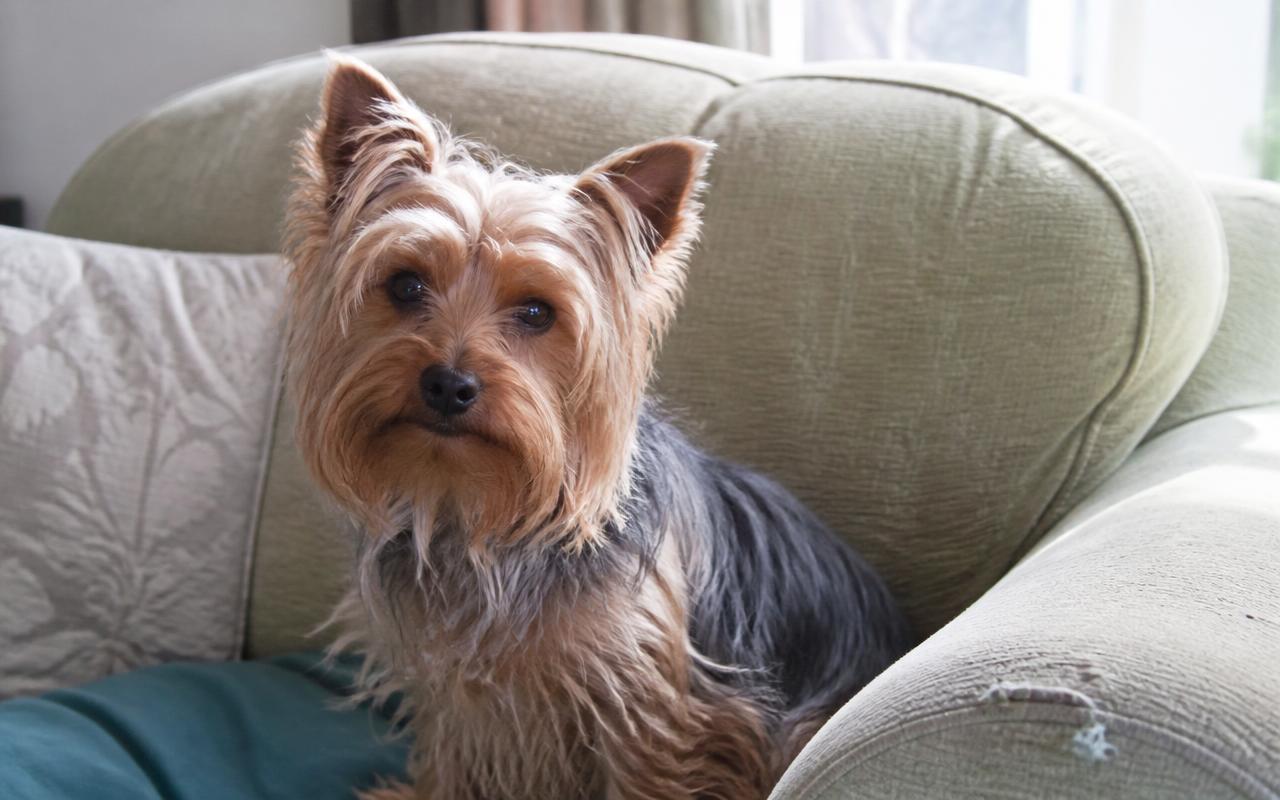
Yorkshire Terrier
The Yorkshire Terrier, affectionately known as the Yorkie, is one of the United Kingdom's most recognisable and popular toy breeds. Originating in the northern English counties during the 19th century, they were initially bred to be tenacious ratters in textile mills and coal mines. Over time, their striking appearance and bold personalities saw them transition from working dogs to highly sought-after companions. Today, they are beloved for their big-dog attitude packed into a remarkably small and elegant frame, making them a staple in households across the country.
About the Yorkshire Terrier
History & background
The Yorkshire Terrier’s roots trace back to the mid-19th century in the northern English counties of Yorkshire and Lancashire. Scottish weavers migrating south for work during the Industrial Revolution brought various terriers with them, which were subsequently crossed with local breeds. These early ancestors were slightly larger than today’s dogs and were heavily relied upon to catch rats and mice in the noisy textile mills and dark coal mines, demonstrating immense bravery and tenacity.
By the late Victorian era, the breed’s beautiful silky coat and spirited nature caught the attention of the upper classes, and the Yorkie rapidly transitioned into a fashionable lapdog. The Kennel Club officially recognised the breed in 1886. Since then, careful breeding has refined their size and signature steel-blue and tan coat, cementing their status as a hugely popular companion breed that retains the courage and drive of its working terrier ancestors.
Temperament & personality
Yorkshire Terriers are alert, active, and surprisingly bold, often completely oblivious to their own tiny stature. They possess a true terrier spirit, meaning they are inquisitive, confident, and eager to be involved in whatever their owner is doing. They form incredibly strong, loyal bonds with their families and often shadow their favourite person from room to room, combining a desire for affection with an independent streak.
Because they were bred to be vigilant, Yorkies can be quite vocal, making them excellent little watchdogs but potentially problematic in close-proximity housing without the correct training. They can also be wary of strangers and overly defensive if they feel threatened. Comprehensive, early socialisation is absolutely vital to ensure they grow up to be confident rather than fearful or snappy, allowing their naturally loving and comical personalities to shine through.
Personality traits
The Yorkshire Terrier is a complex little dog, blending the affection of a toy breed with the feisty nature of a working ratter.
- Loyal: They form deep, lasting attachments to their owners and prefer to remain close to their families at all times.
- Alert: Highly observant and quick to notice any changes in their environment or approaching strangers.
- Vocal: They have a strong tendency to bark to raise the alarm, which requires management through consistent training.
- Bold: Fearless and self-assured, they often stand their ground even against much larger dogs.
- Affectionate: Despite their independent terrier streak, they adore cuddles and lap time with their trusted humans.
- Intelligent: Quick learners who thrive when their minds are kept busy with positive reinforcement training.
- Independent: They can sometimes exhibit a stubborn streak, requiring patience and consistency during training sessions.
- Energetic: Playful and lively, they possess bursts of energy that need channelling into indoor play and walks.
Yorkshire Terrier health — common conditions and vet costs
Top 6 conditions
While generally long-lived, the Yorkshire Terrier is predisposed to several health issues related to their diminutive size and genetics. Being aware of these can help owners catch symptoms early.
- Periodontal disease: Their small jaws lead to overcrowded teeth, causing severe plaque build-up, gum disease, and early tooth loss if left untreated. Typical cost band: moderate
- Patellar luxation: A common structural defect where the kneecap temporarily slips out of its groove, causing pain and a characteristic skipping gait. Typical cost band: high
- Tracheal collapse: A progressive weakening of the windpipe cartilage, leading to a persistent, harsh 'honking' cough and difficulty breathing. Typical cost band: moderate to high
- Portosystemic shunt (PSS): A congenital liver defect where blood bypasses the liver, leading to a build-up of toxins and neurological symptoms. Typical cost band: high
- Pancreatitis: Inflammation of the pancreas, often triggered by a high-fat meal, causing severe abdominal pain, vomiting, and lethargy. Typical cost band: moderate to high
- Eye conditions: Susceptible to issues such as Progressive Retinal Atrophy (PRA) and dry eye, which require prompt veterinary attention to preserve vision. Typical cost band: moderate
Breed-specific screening tests
Responsible breeding is crucial for maintaining the health of the Yorkshire Terrier. The British Veterinary Association (BVA) and the Kennel Club recommend annual eye testing for all breeding stock. This screens for hereditary conditions such as Progressive Retinal Atrophy (PRA) and Primary Lens Luxation (PLL), ensuring affected dogs are not used in breeding programmes. Prospective owners should always ask to see these certificates before purchasing a puppy.
In addition to eye screening, reputable breeders will also have their dogs evaluated by a vet for patellar luxation before deciding to breed them. Choosing a puppy from health-tested parents significantly reduces the likelihood of these debilitating conditions being passed on, ultimately safeguarding the welfare of the puppies and preventing heartache and costly veterinary bills for the owner.
When to see a vet — red flags
Due to the breed's susceptibility to tracheal collapse, any sudden onset of a harsh, dry cough, particularly when the dog is excited or pulling on a lead, warrants an immediate veterinary consultation. Similarly, signs of severe dental pain, such as dropping food, pawing at the mouth, bad breath, or facial swelling, should be investigated promptly to prevent systemic infection and unnecessary suffering.
Owners should also monitor their Yorkie for any sudden limping, skipping, or holding up of a hind leg, which strongly indicates a luxating patella. Finally, if your Yorkshire Terrier exhibits persistent vomiting, diarrhoea, or extreme lethargy, you must contact your vet immediately. Small dogs can become dangerously dehydrated much faster than larger breeds, meaning rapid intervention is vital during bouts of gastrointestinal illness.
Family life with a Yorkshire Terrier
With children
Yorkshire Terriers are generally better suited to households with older, sensible children. Their tiny size and fragile bone structure mean they can be easily injured if accidentally dropped, tripped over, or stepped on by boisterous toddlers. Furthermore, Yorkies possess a strong terrier instinct and will not tolerate rough handling; they may snap if they feel cornered, hurt, or startled. Constant, vigilant supervision is vital when they are interacting with young children, and youngsters must be taught how to interact gently and respectfully with a toy breed to ensure the safety and welfare of both the dog and the child.
With other pets
A Yorkie can coexist peacefully with other dogs and even cats if they are introduced properly and raised together from a young age. However, their terrier prey drive remains strong, meaning that small mammals, rodents, and birds are not safe in their presence and should be kept securely separated. Owners must also be cautious when a Yorkie interacts with larger dogs; their bold, fearless nature means they will often challenge much bigger animals without hesitation, which can easily result in severe injury for the diminutive terrier if an altercation occurs.
Home environment
Because of their compact size, Yorkshire Terriers are highly adaptable and make excellent pets for apartment living, provided their tendency to bark is properly managed through training. They do not have an undercoat and feel the cold very easily, so they require a warm, draught-free sleeping area and may need a coat when venturing outside in wet or chilly UK weather. While a secure garden is a wonderful bonus for toilet training and sniffing, it is not strictly required as long as they receive adequate daily walks and mental stimulation indoors.
Exercise & training
Exercise needs
Despite being energetic and lively, the Yorkshire Terrier’s short legs mean that long hikes or vigorous running sessions are unnecessary. Around 30 minutes of dedicated physical exercise per day, ideally split into two shorter strolls, is usually perfectly sufficient to maintain their cardiovascular health and keep their weight in check. Always walk them on a well-fitting harness rather than attaching a lead to a collar, as this protects their fragile windpipes from the pressure that can exacerbate or trigger tracheal collapse.
Physical exercise alone is not enough for this intelligent breed; mental stimulation is equally crucial. Incorporating sniffing games, structured indoor play, and interactive puzzle toys into their daily routine will help burn off their terrier energy. Keeping their minds occupied is the best way to prevent boredom, which frequently leads to destructive behaviours or excessive nuisance barking inside the home.
Training approach
Yorkshire Terriers are highly intelligent but can exhibit a stubborn, independent streak that tests a novice owner. Positive reinforcement methods work best, using high-value rewards, praise, and play to motivate them. Because their attention spans can be short, it is advisable to keep training sessions brief, fun, and varied to maintain their interest. Harsh corrections or shouting will only cause this sensitive breed to become anxious, distrustful, and potentially defensively aggressive.
Training should heavily focus on early, positive socialisation to build their confidence around larger dogs and unfamiliar people. Teaching a solid recall and a reliable 'quiet' command early on is essential to manage their vocal tendencies. Prospective owners should also note that toilet training a Yorkshire Terrier can sometimes take longer than with larger breeds, requiring immense patience, consistency, and a strict routine to achieve success.
Grooming & coat care
Coat & routine
The Yorkshire Terrier has fine, silky hair rather than traditional canine fur. While this means they shed very little, their hair grows continuously and is extremely prone to tangling and matting. A traditional, floor-length show coat requires arduous daily brushing and careful wrapping to prevent breakage, which is impractical for most. Consequently, the vast majority of pet owners opt for a shorter 'puppy clip'. Even with a clipped coat, a Yorkie requires professional grooming every six to eight weeks, alongside regular brushing at home several times a week to keep their skin healthy and their hair free from painful knots.
Bathing, ears, nails & teeth
Regular bathing with a mild, dog-specific shampoo helps keep their fine hair clean and free from environmental debris. Owners must regularly check the ears for excessive wax build-up or signs of infection, and ensure their nails are trimmed frequently, as light dogs often do not wear their nails down naturally. Crucially, strict daily tooth brushing with a canine toothpaste is absolutely essential. The breed is highly predisposed to severe periodontal disease, and preventative dental care at home is the best way to avoid painful infections and multiple tooth extractions in later life.
Diet & nutrition
Feeding a Yorkshire Terrier
Yorkshire Terriers require a high-quality, balanced diet specifically tailored to small or toy breeds. These diets feature a smaller kibble size, which is much easier for their tiny jaws to chew, and have the appropriate nutrient density for a small dog's fast metabolism. Managing portion sizes with absolute precision is vital. Because they are so small, even a few extra treats can quickly lead to obesity, which puts severe additional strain on their already vulnerable joints and exacerbates respiratory issues like tracheal collapse.
This breed can sometimes suffer from a sensitive stomach, so sudden or abrupt dietary changes should be avoided to prevent vomiting or diarrhoea. Because of their significant predisposition to dental disease, feeding a high-quality dry kibble is often recommended over wet food to provide some mechanical abrasion against the teeth. However, owners must remember that dry food is absolutely no substitute for active, daily dental hygiene.
How much does a Yorkshire Terrier cost at the vet?
UK average prices
Based on our dataset of ~5,900 UK vet practices, the UK average consultation is £60.23. For a dog the typical booster vaccination averages £70.70, castration averages £268.54 and spaying averages £361.91. Microchipping averages £28.55. Prices fluctuate depending on your region and whether the practice is an independent clinic or part of a corporate group, so always request a written estimate before agreeing to non-routine procedures.
Routine annual budget
Beyond the initial course of vaccinations and neutering surgery, owners must budget carefully for annual preventative care. This includes yearly booster vaccinations (including kennel cough), regular prescription flea, tick, and worming treatments, and potentially an annual dental scale and polish under general anaesthetic to preserve their teeth. Given their demanding grooming needs, you must also factor in professional clipping costs every few months. A routine preventative health budget for a Yorkshire Terrier typically ranges between £200 and £400 annually, excluding any unforeseen illness, accident, or specialist intervention.
Pet insurance for a Yorkshire Terrier
Why insurance matters
Although small, Yorkshire Terriers are prone to complex and potentially expensive health issues such as portosystemic shunts, patellar luxation, or severe pancreatitis, which often require specialist diagnostics or orthopaedic surgical intervention. Pet insurance provides vital financial peace of mind, ensuring you can comfortably afford the best possible veterinary care if your dog develops a serious, unexpected condition or suffers an accidental injury, without having to make heartbreaking decisions based on cost.
What to look for
When selecting a policy for a Yorkie, it is highly advisable to opt for a 'lifetime' policy. This type of insurance replenishes the veterinary fee limit each year, which is particularly important for chronic conditions like tracheal collapse, allergies, or recurrent eye issues that require ongoing, lifelong management. Always check the fine print to see if dental illness is covered, given the breed's exceptionally high risk of periodontal disease, and ensure you fully understand coverage limits and the excesses you will be expected to pay.
Choosing a vet for your Yorkshire Terrier
What to look for
Look for a veterinary practice with strong communication skills, experienced nurses, and a calm, gentle approach, as Yorkies can often be nervous or vocal in clinical settings. Finding a clinic that places a strong emphasis on preventative dental care is highly beneficial for this breed. Furthermore, check if the practice uses modern anaesthetic monitoring equipment and has protocols tailored to toy breeds, which is vital for keeping small dogs safe and warm while undergoing procedures.
It is also important to consider the practice's out-of-hours emergency provision. Because of their tiny body mass, small dogs can deteriorate very quickly if they experience severe gastrointestinal upset, trauma, or a hypoglycaemic episode. It is well worth visiting a few local clinics to gauge their environment and the friendliness of the veterinary team before committing. Use our vet price comparison tool to compare practices near you.
Frequently asked questions
Are Yorkshire Terriers good family dogs for households with young children?
Yorkshire Terriers are better suited to households with older, respectful children. Due to their tiny size and delicate bone structure, they can easily be injured if accidentally dropped or stepped on by boisterous toddlers. Furthermore, a Yorkie may snap if they feel cornered, startled, or handled too roughly. Families with young children must ensure constant supervision and teach children how to interact gently with a toy breed.
How much exercise does a Yorkshire Terrier really need?
Despite being an energetic terrier, the Yorkshire Terrier only requires a moderate amount of physical exercise. Around 30 minutes of daily walking, ideally split into two shorter outings, is usually sufficient to keep them physically fit. However, they also need plenty of mental stimulation at home through training, interactive puzzle toys, and play. This prevents boredom, which can otherwise lead to excessive barking and destructive behaviour.
How much do routine vet treatments cost for a Yorkshire Terrier in the UK?
Based on our dataset of ~5,900 UK vet practices, the UK average consultation is £60.23. For a dog the typical booster vaccination averages £70.70, castration averages £268.54 and spaying averages £361.91. Microchipping averages £28.55. Keep in mind that prices will vary significantly depending on where you live in the UK and whether your chosen clinic is independently owned or part of a larger corporate chain.
What is tracheal collapse and is my Yorkshire Terrier at risk?
Tracheal collapse is a progressive respiratory condition where the cartilage rings of the windpipe weaken and flatten, making it difficult for the dog to breathe. Yorkshire Terriers are genetically predisposed to this distressing condition. Symptoms typically include a harsh, dry 'honking' cough, especially when excited or pulling on a lead. To minimise risk, always walk your Yorkie using a well-fitting harness rather than a traditional neck collar.
How much does it cost to buy and keep a Yorkshire Terrier?
Purchasing a well-bred Yorkshire Terrier puppy from a responsible UK breeder typically costs between £1,000 and £2,000. Beyond the initial purchase, prospective owners must budget for high-quality food, regular professional grooming every six to eight weeks, lifetime pet insurance, and routine veterinary care. When you factor in all their ongoing needs, the monthly cost of owning a Yorkshire Terrier generally falls between £80 and £120.
How can I stop my Yorkshire Terrier from barking too much?
Yorkshire Terriers were bred to be alert watchdogs, so they naturally tend to bark at unfamiliar noises or visitors. To prevent nuisance barking, early socialisation and consistent, positive reinforcement training are essential. Teach a 'quiet' command from a young age and ensure your dog is receiving adequate mental and physical stimulation. Never use punishment, as this can increase anxiety and worsen vocal behaviour.
Related breeds
By The Vet Price Comparison Site editorial team · Last reviewed23 September 2026. Sources: RCVS, The Kennel Club, RVC VetCompass, ABI, and our live UK practice pricing dataset.