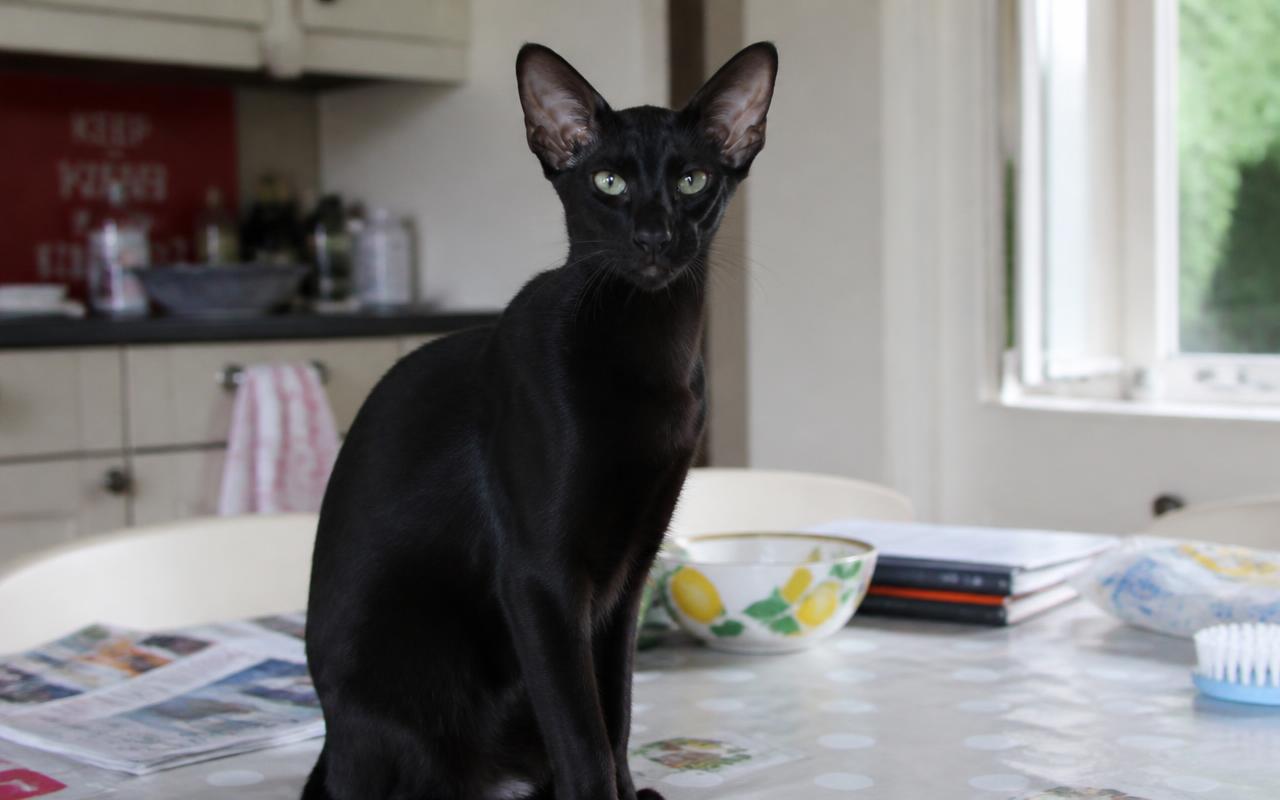
Oriental Shorthair
The Oriental Shorthair is an incredibly striking and elegant cat breed, closely related to the Siamese but boasting a vast array of coat colours and patterns. Known for their large, bat-like ears, angular faces, and sleek, athletic bodies, these felines are as visually captivating as they are engaging. They are a highly popular choice for UK households seeking a deeply interactive and communicative companion, though their demanding nature means they are certainly not a hands-off pet.
About the Oriental Shorthair
History & background
The Oriental Shorthair was developed primarily in the UK during the 1950s. Following the Second World War, the number of pedigree cats plummeted, leading British breeders to cross the remaining Siamese cats with domestic shorthairs, Russian Blues, and Abyssinians. The objective was to expand the gene pool while retaining the distinctive, elegant Siamese body type and spirited temperament, but without the traditional pointed colouration. This successful breeding programme resulted in a completely new, vibrant breed.
Initially, each new colour was treated as a separate breed, such as the Foreign White or the Havana. However, as the sheer variety of coat patterns and colours expanded into the hundreds, cat registries like the Governing Council of the Cat Fancy (GCCF) eventually grouped them together under the Oriental classification. Today, the Oriental Shorthair is firmly established in the UK as a distinct, beloved breed, cherished for its incredible diversity and unshakeable, Siamese-like personality.
Temperament & personality
If you are looking for a quiet, independent feline, the Oriental Shorthair is entirely the wrong choice. These cats are famously known as velcro cats because they insist on being involved in every aspect of your daily routine. They will follow you from room to room, supervise your cooking, and demand space on your lap the moment you sit down. Their extreme affectionate nature is highly rewarding, but it also means they are deeply prone to separation anxiety if left alone for long periods.
Alongside their neediness is an exceptionally high level of intelligence and a loud, demanding voice. Much like their Siamese ancestors, Oriental Shorthairs are incredibly vocal and will use a wide range of meows, chirps, and yowls to communicate their desires. They require a patient owner who appreciates this conversational behaviour rather than finding it frustrating. Providing constant interaction, affection, and acknowledgement is essential to maintaining their emotional well-being and preventing stress-related behavioural problems.
Personality traits
The Oriental Shorthair possesses a highly distinct and demanding set of personality traits:
- Trait: Highly vocal: They have a loud, raspy meow and will frequently talk to their owners throughout the day.
- Trait: Intensely affectionate: They form deep attachments and prefer to be physically touching their human companions.
- Trait: Exceptionally intelligent: Highly capable of learning routines, commands, and solving complex puzzle toys.
- Trait: Energetic and playful: They retain a kitten-like playfulness well into their senior years and need regular stimulation.
- Trait: Socially demanding: They crave constant company and generally do poorly in prolonged isolation.
- Trait: Curious and intrusive: They will open cupboards, inspect shopping bags, and explore every corner of the home.
- Trait: Loyal: They often bond extraordinarily strongly with one or two specific family members in the household.
Oriental Shorthair health — common conditions and vet costs
Top 6 conditions
While generally robust, the Oriental Shorthair shares a genetic background with the Siamese, making them predisposed to certain inherited conditions. Understanding these risks is essential for proactive veterinary care.
- Condition: Hepatic Amyloidosis: An abnormal protein deposits in the liver, leading to liver failure or internal bleeding; extremely serious and sadly incurable. Typical cost band: high.
- Condition: Progressive Retinal Atrophy (PRA): A genetic condition causing gradual degeneration of the retina, eventually leading to permanent blindness. Typical cost band: low to moderate (primarily diagnosis).
- Condition: Feline Asthma: A chronic respiratory disease causing coughing and wheezing, requiring lifelong management with inhalers or oral medication. Typical cost band: moderate.
- Condition: Dental Disease: Like many purebreds, they are highly prone to gingivitis and periodontal disease, requiring routine scaling and extractions. Typical cost band: moderate to high.
- Condition: Pica: A behavioural and physical condition where the cat obsessively chews and swallows non-food items, particularly wool, risking intestinal blockages. Typical cost band: high (if surgery is required).
- Condition: Hyperthyroidism: An overactive thyroid gland common in older cats, leading to weight loss and ravenous appetite, treatable via medication, surgery, or radioactive iodine. Typical cost band: moderate to high.
Breed-specific screening tests
Responsible breeding is critical to reducing the prevalence of inherited diseases in the Oriental Shorthair. The most significant genetic screening available for this breed is the DNA test for Progressive Retinal Atrophy (PRA). Before purchasing a kitten, prospective owners should always ask the breeder for official proof that both parents have tested negative for the PRA gene. This straightforward step provides peace of mind that the kittens are highly unlikely to develop this specific, distressing form of inherited blindness later in life.
Unfortunately, there is currently no simple genetic test for hepatic amyloidosis, which remains a significant concern for the breed. Breeders should have a thorough knowledge of their pedigrees and avoid breeding from lines with a history of the disease. Your vet may recommend routine blood panels and abdominal ultrasounds as your cat ages to monitor liver and kidney function, allowing for early supportive care if any organ abnormalities are detected during their annual examinations.
When to see a vet — red flags
Knowing when to seek immediate veterinary attention can make a crucial difference to your Oriental Shorthair's prognosis. Respiratory changes are a primary red flag; if you notice your cat coughing, breathing rapidly at rest, or wheezing, you must contact your vet promptly, as this could indicate feline asthma or a heart condition. Similarly, sudden weight loss despite a ravenous appetite is a classic warning sign of hyperthyroidism or gastrointestinal issues, requiring comprehensive blood tests to diagnose accurately.
Another major emergency indicator for this breed is related to their tendency for pica. If your cat has a habit of chewing fabrics or plastics and suddenly begins vomiting, stops eating, or shows signs of abdominal pain, they may have a life-threatening intestinal blockage. Furthermore, excessive thirst, changes in litter tray habits, or sudden lethargy should never be ignored. Always consult your vet if your cat's behaviour or physical condition deviates from their normal baseline.
Living with an Oriental Shorthair
With children
The Oriental Shorthair can make a wonderful companion for families with children, provided the children are taught how to interact with cats respectfully. Because of their fine-boned structure and lack of a thick, protective coat, they can be sensitive to rough handling. However, their high energy levels and profound love for play make them excellent matches for older, considerate children who can engage them with wand toys and puzzle games. Close supervision is always recommended to ensure the cat has a quiet retreat when they need to rest, preventing stress-related behavioural problems.
With other pets
These cats possess an incredibly strong pack mentality and typically despise being the only pet in the household. They thrive in the company of other highly active, social cats, particularly other Orientals, Siamese, or Balinese cats who share their play style and need for physical closeness. Without a feline companion to cuddle and wrestle with, an Oriental Shorthair can quickly become depressed or destructive. They also tend to integrate very well with cat-friendly dogs, provided the introduction process is managed slowly, calmly, and strictly on the cat's own terms over several weeks.
Home environment
Creating an appropriate home environment is vital for the physical and mental welfare of an Oriental Shorthair. Due to their very short, fine coats and lack of a downy undercoat, they feel the cold intensely. Your home must be kept warm, and providing heated cat beds or safe, sunny lounging spots is essential. Furthermore, these athletic cats naturally seek out high vantage points. If they are kept as indoor-only cats—which is often recommended to protect them from traffic and theft—you must provide extensive vertical space, including ceiling-height cat trees, sturdy scratching posts, and safe shelving.
Play, enrichment & training
Enrichment needs
An Oriental Shorthair's brain needs just as much exercise as their body. Without adequate environmental enrichment, these highly intelligent cats will invent their own entertainment, which often involves opening cupboards, unrolling toilet paper, or vocalising incessantly. You must provide a rotating selection of stimulating toys, including interactive wand toys, kicker toys, and lightweight balls they can bat around the house. Dedicated daily playtime is not optional for this breed; it is a fundamental welfare requirement to prevent severe boredom and frustration.
Food puzzles are one of the most effective ways to channel their natural hunting instincts and keep their minds occupied while you are busy or out of the house. Instead of feeding them from a standard bowl, scatter their dry biscuits in puzzle feeders, snuffle mats, or treat-dispensing balls. Additionally, providing safe access to the outdoors via a secure, fully enclosed catio or a cat-proofed garden allows them to experience the sights, sounds, and smells of nature without the risks associated with free-roaming.
Training & handling
Training an Oriental Shorthair is surprisingly similar to training a dog, thanks to their remarkable intelligence and eagerness to interact with their owners. They are highly responsive to clicker training and positive reinforcement, often learning tricks such as sitting on command, offering a high five, and even playing fetch with remarkable speed. Training sessions should be kept short, positive, and heavily rewarded with high-value treats to maintain their interest. Punishing or shouting at an Oriental Shorthair will only damage your bond and lead to deep-seated anxiety and mistrust.
Many owners successfully train their Oriental Shorthairs to walk on a harness and lead, which provides an excellent avenue for safe outdoor exploration. Harness training must be introduced gradually, starting indoors with plenty of treats and encouragement before ever venturing outside. Early socialisation is also vital; exposing kittens to various sounds, gentle handling, and visitors helps them develop into confident adults. Desensitising them to their cat carrier and car travel from a young age will also make future veterinary visits significantly less stressful for everyone involved.
Grooming & coat care
Coat & routine
The Oriental Shorthair possesses a stunning, exceptionally short and sleek coat that lies tight against their athletic body. Because they lack a fluffy undercoat, their grooming requirements are refreshingly minimal. They are meticulous self-groomers, but they still benefit from a gentle weekly brush using a soft bristle brush, a rubber grooming mitt, or even just a chamois leather cloth. This routine helps to remove dead hair, distributes their natural skin oils to maintain that characteristic glossy shine, and provides a bonding experience that these tactile cats absolutely adore.
Bathing, ears, nails & teeth
Beyond coat care, routine maintenance is essential for their overall health. Their characteristically large, bat-like ears can accumulate wax and dirt, so they should be checked weekly and wiped gently with a vet-approved cleaner if necessary. Regular nail trimming is required, especially for indoor cats, to prevent their claws from becoming overgrown or snagging on furniture. Most importantly, because the breed is genetically predisposed to severe dental disease, establishing a daily tooth-brushing routine using feline-safe toothpaste is highly recommended by vets to prevent painful extractions later in life.
Diet & nutrition
Feeding an Oriental Shorthair
Feeding your Oriental Shorthair a high-quality, nutritionally balanced diet tailored to their specific life stage is paramount. Because they have a long, tubular, and fine-boned physique, carrying excess weight puts severe strain on their joints and internal organs. It is essential to weigh their daily food portions accurately rather than free-feeding, as obesity can quickly sneak up on indoor cats. Your vet can help you calculate their exact caloric requirements based on their age, neuter status, and activity level to keep them in peak athletic condition.
A combination of high-quality wet and dry food is often the best approach for this breed. Wet food is particularly beneficial as it significantly increases their daily water intake, which supports healthy kidney function and helps prevent urinary tract issues. If your Oriental Shorthair is prone to dental disease, your vet might suggest incorporating a specific veterinary dental diet that uses oversized, fibrous kibble to mechanically scrape plaque from the teeth. Always ensure that fresh, clean drinking water is readily available in multiple locations around the home.
How much does an Oriental Shorthair cost at the vet?
UK average prices
Across published price lists from UK vet practices, the average consultation is £60.23. For a cat the typical booster vaccination averages £72.92, castration averages £107.89 and spaying averages £151.66. Microchipping averages £28.55. These prices will fluctuate depending on your region and whether the practice is an independent surgery or part of a larger corporate group. It is always wise to request a written estimate from your vet before proceeding with any non-routine treatments.
Routine annual budget
Budgeting for routine care is a vital part of responsible Oriental Shorthair ownership. Beyond the initial neutering and microchipping, you must account for annual health checks, booster vaccinations, and regular veterinary-prescribed flea and worming treatments. On average, you should expect to set aside between £250 and £400 annually for these routine preventative measures alone. Furthermore, given their high susceptibility to periodontal disease, prospective owners should also budget for potential professional dental scale and polish procedures, which can easily cost several hundred pounds per session at your vet practice.
Pet insurance for an Oriental Shorthair
Why insurance matters
Securing a comprehensive pet insurance policy is highly recommended for Oriental Shorthair owners. Because this breed is predisposed to several complex conditions, such as feline asthma and hepatic amyloidosis, veterinary bills can escalate rapidly. Managing a chronic illness often requires lifelong medication, regular blood tests, and specialist consultations, which can amount to thousands of pounds over the cat's lifetime. A robust insurance policy provides invaluable peace of mind, ensuring that financial constraints never prevent you from offering the highest standard of veterinary care when illness or accidents strike.
What to look for
When selecting an insurance policy, it is crucial to read the fine print and understand exactly what is covered. For an Oriental Shorthair, a lifetime policy is generally the best option, as it replenishes the cover limit each year for chronic conditions. You must ensure the policy covers hereditary and congenital conditions, provided no clinical signs were present before the policy began. Additionally, check if the insurer provides comprehensive cover for dental illnesses, as many basic policies exclude dental care unless it is strictly the result of an accidental injury.
Choosing a vet for your Oriental Shorthair
What to look for
Selecting the right veterinary practice is essential for maintaining your Oriental Shorthair's long-term health and well-being. Because these cats are highly sensitive, intelligent, and easily stressed by loud noises, seeking out a clinic accredited by the International Society of Feline Medicine (ISFM) as a Cat Friendly Clinic is highly advantageous. These practices have dedicated feline waiting areas, use feline-friendly handling techniques, and employ staff trained to minimise stress, which will make annual visits far less traumatic for your highly strung and vocal companion.
Given the breed's well-documented predisposition to periodontal disease, you should also enquire about the practice's dental facilities. A well-equipped veterinary surgery should have dental radiography machines, as a significant portion of feline dental disease occurs out of sight beneath the gum line. Finding a vet who you trust and who communicates clearly about preventative care and costs will set you up for a successful, lifelong partnership. Use our vet price comparison tool to compare practices near you.
Frequently asked questions
Are Oriental Shorthair cats good family pets?
Yes, the Oriental Shorthair can be a wonderful family pet for households with older, respectful children. They are highly playful, energetic, and thrive on human interaction. However, due to their fine-boned build, they are sensitive to rough handling and can easily be injured by toddlers. They demand a vast amount of attention and will loudly complain if they feel ignored. Families must be prepared for a highly vocal, interactive companion that insists on being involved in every daily activity.
How much exercise does an Oriental Shorthair need?
Despite being a cat, the Oriental Shorthair requires a substantial amount of daily exercise and mental stimulation. They are incredibly athletic and agile, needing extensive vertical spaces like ceiling-height cat trees to climb and leap. Owners should dedicate at least two interactive play sessions each day using wand toys or fetch games to burn off their high energy. Without adequate physical and mental exercise, these intelligent cats quickly become bored, which often leads to destructive behaviour and excessive vocalisation around the home.
What are the common health problems for Oriental Shorthairs?
Oriental Shorthairs are generally healthy, but their shared ancestry with the Siamese means they are prone to specific genetic issues. The most notable concerns include Progressive Retinal Atrophy (PRA), which causes blindness, and hepatic amyloidosis, a fatal liver condition. They also have a high predisposition for developing severe dental disease, feline asthma, and hyperthyroidism as they age. Routine veterinary health checks and a diligent preventative care schedule are vital for catching and managing these conditions as early as possible.
How much does it cost to take an Oriental Shorthair to the vet in the UK?
Veterinary costs vary based on your location and the specific care required. Across published price lists from UK vet practices, the average consultation is £60.23. For a cat, the typical booster vaccination averages £72.92, castration averages £107.89 and spaying averages £151.66. Microchipping averages £28.55. Because Oriental Shorthairs are prone to chronic issues like asthma or complex dental disease, comprehensive lifetime pet insurance is highly recommended to help cover the costs of unexpected treatments and specialist interventions.
Are Oriental Shorthair cats very vocal?
Yes, they are renowned for being one of the most vocal cat breeds in the world. Inheriting their loud, raspy meow from their Siamese ancestors, Oriental Shorthairs are never shy about voicing their opinions. They will chat with you, demand food, complain if left alone, and actively talk back when spoken to. Prospective owners must be fully prepared for a noisy household, as this constant communication is a deeply ingrained breed trait that cannot and should not be trained out of them.
How much does an Oriental Shorthair kitten cost in the UK?
In the UK, a pedigree Oriental Shorthair kitten from a reputable, GCCF-registered breeder typically costs between £700 and £1,200. Prices can vary depending on the kitten's pedigree, coat colour, and whether they are intended for show or as a pet. It is vital to avoid unusually cheap kittens, as these are often bred in poor conditions without the necessary health screening for genetic diseases like PRA. Always visit the breeder to see the kitten interacting happily with its mother.
Related breeds
By The Vet Price Comparison Site editorial team · Last reviewed12 October 2026. Sources: RCVS, The Kennel Club, RVC VetCompass, ABI, and our live UK vet pricing index.