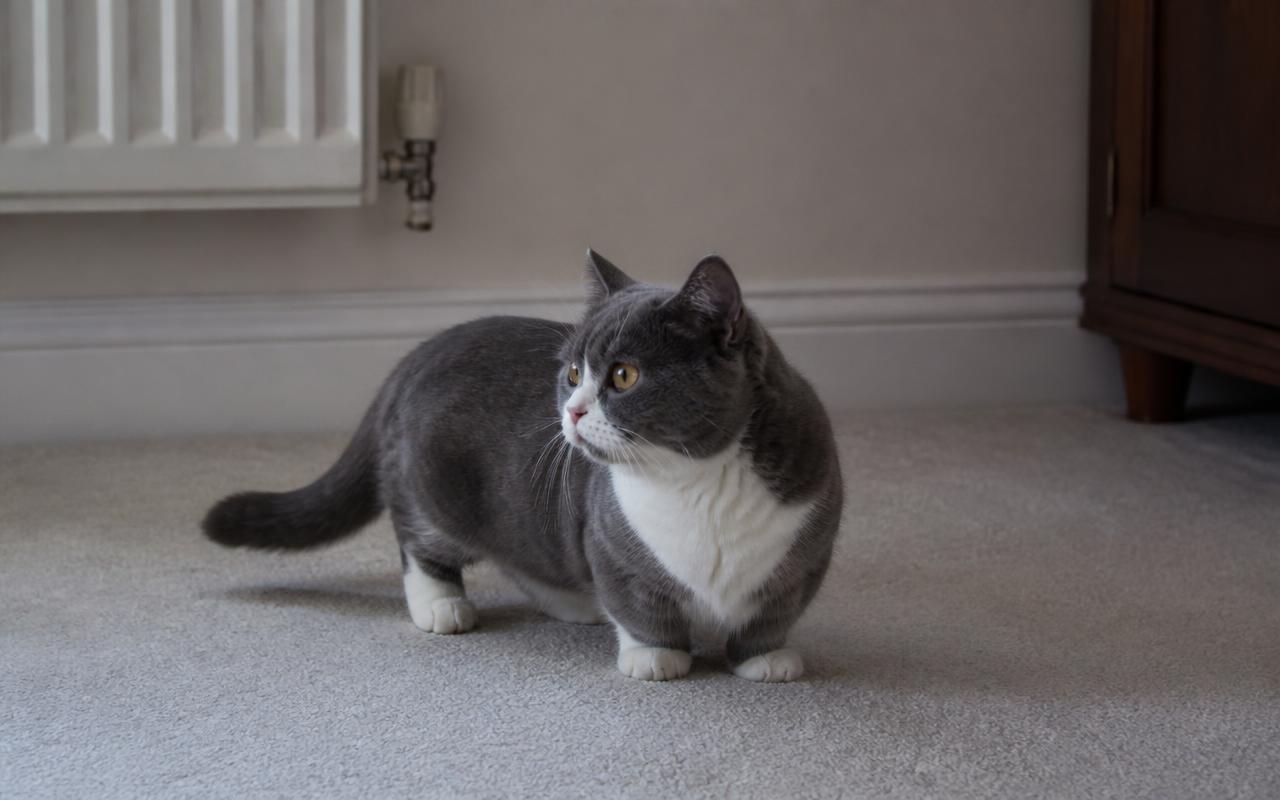
Munchkin Cat
The Munchkin Cat is an instantly recognisable feline defined by its distinctively short legs, which are the result of a naturally occurring genetic mutation known as achondroplasia. Despite their unique physical appearance, these cats possess a remarkably energetic and playful temperament, often surprising prospective owners with their speed and agility at ground level. They are sociable, affectionate companions that integrate well into active households, bringing a lively presence to the home. Because of their affectionate nature, they often form deep, enduring bonds with their human family members, thriving on interactive play and daily engagement.
About the Munchkin Cat
History & background
The Munchkin Cat traces its modern origins back to Louisiana in 1983, when a music teacher named Sandra Hochenedel discovered two pregnant, short-legged cats taking shelter under a vehicle. She kept one, naming her Blackberry, whose subsequent litter included short-legged kittens, thereby establishing the foundation for the contemporary breed. The trait is caused by an autosomal dominant gene that results in achondroplasia, a form of dwarfism affecting the long bones of the legs. The International Cat Association (TICA) officially accepted the breed into its new breed development programme in 1994, despite considerable backlash from various animal welfare advocates and veterinary professionals.
In the United Kingdom, the breeding and exhibition of the Munchkin remain highly controversial. The Governing Council of the Cat Fancy (GCCF) firmly refuses to recognise the breed, citing profound concerns that breeding for a genetic mutation causing physical deformity directly conflicts with the welfare of the animals. Similarly, the Fédération Internationale Féline (FIFe) bans the breed from recognition. British veterinary bodies heavily discourage the intentional breeding of cats with skeletal abnormalities. Potential owners must understand this background, as acquiring a Munchkin often means dealing with unregulated breeders and facing significant ethical questions regarding feline welfare and structural health.
Temperament & personality
Despite the inherent physical limitations imposed by their shortened limbs, the Munchkin Cat is celebrated for an exceptionally vibrant, curious, and outgoing personality. They are remarkably active at ground level, frequently described by owners as darting around the home with surprising bursts of speed. One of their most endearing and famous behavioural quirks is their tendency to sit up squarely on their hind legs, much like a rabbit or prairie dog, to get a better view of their surroundings. This inquisitive nature ensures they are always heavily involved in household activities.
Beyond their playful antics, they are deeply affectionate companions that crave close physical contact and extended periods of socialisation with their families. They abhor being left entirely alone for long stretches of the working day, often developing separation anxiety if their social needs are repeatedly ignored. When given ample attention, they exhibit a delightfully sweet and trusting disposition, happily cuddling on laps and enthusiastically greeting visitors at the front door, proving that their challenging physical conformation does not dampen their inherent feline spirit.
Personality traits
While their physical conformation demands careful veterinary consideration, the Munchkin Cat's underlying temperament is frequently described as exceptionally lively, deeply affectionate, and highly engaging, with these cats known to retain a distinctively kitten-like playfulness well into their senior years while thriving on continuous daily interaction with their human families, meaning prospective owners can confidently expect a highly sociable, deeply curious feline companion that proudly demonstrates the following distinctive personality characteristics:
- Trait: Deeply affectionate, seeking out lap time and physical closeness.
- Trait: Highly playful, maintaining high ground-level energy throughout adulthood.
- Trait: Exceptionally sociable, thriving in busy households with constant interaction.
- Trait: Intensely curious, always investigating new sights, sounds, and visitors.
- Trait: Endearingly quirky, known for sitting up on their hind legs to observe.
- Trait: Surprisingly quick, capable of rapid bursts of speed across the floor.
- Trait: Prone to loneliness, requiring significant daily companionship to prevent distress.
Munchkin Cat health — common conditions and vet costs
Top 6 conditions
Due to the genetic mutation responsible for their shortened limbs, the Munchkin Cat is predisposed to several significant conformational and structural health issues. Achondroplasia affects the development of cartilage and bone, which can lead to severe stress on the joints and spine over the cat's lifetime. When considering this breed, it is absolutely vital to be prepared for the financial and emotional toll of managing chronic orthopaedic conditions. Veterinary treatments, diagnostic imaging, and long-term pain management can become exceptionally costly. The following list outlines six of the most common health conditions diagnosed in the breed, alongside their expected financial impact.
- Condition: Osteoarthritis: Due to the abnormal stress placed on their shortened limb joints, osteoarthritis frequently develops at a young age, causing chronic pain and requiring lifelong medication. Typical cost band: moderate to high.
- Condition: Lordosis: A severe spinal curvature where the spine dips downwards, putting immense pressure on the heart, lungs, and internal organs, often leading to fatal complications in kittens. Typical cost band: high.
- Condition: Pectus Excavatum: A congenital deformity where the breastbone sinks into the chest cavity, restricting lung capacity and heart function, which may require complex corrective surgery to resolve. Typical cost band: high.
- Condition: Feline Lower Urinary Tract Disease (FLUTD): A painful condition affecting the bladder and urethra, causing difficulty urinating, which can be exacerbated by stress or an indoor lifestyle with limited exercise. Typical cost band: moderate.
- Condition: Dental Disease: Like many felines, they are highly prone to periodontal disease and tooth resorption, requiring regular veterinary dental cleanings and potential extractions under general anaesthetic. Typical cost band: moderate.
- Condition: Hyperthyroidism: A common endocrine disorder in older cats caused by an overactive thyroid gland, resulting in weight loss, increased appetite, and requiring lifelong medication or radioactive iodine therapy. Typical cost band: moderate to high.
Breed-specific screening tests
Because of the profound skeletal abnormalities inherent to the breed, diagnostic imaging serves as the most critical screening tool available to veterinary professionals. Routine radiographs (X-rays) of the spine and chest are strongly recommended from a young age to monitor for the early development of life-limiting conditions such as lordosis and pectus excavatum. These imaging tests allow vets to assess the severity of the bone deformities and establish a baseline for monitoring the inevitable progression of osteoarthritis in their shortened limb joints as they mature.
From a genetic perspective, breeding two short-legged Munchkin cats together is entirely fatal to the resulting embryos, as the homozygous achondroplasia gene is lethal in utero. Consequently, any breeding must involve crossing a Munchkin with a structurally normal cat, resulting in litters with a mix of short and normal legs. While specific DNA tests can confirm the presence of the dwarfism mutation, ethical veterinary bodies in the UK focus screening conversations around assessing the overall structural viability and quality of life of the individual animal, rather than encouraging further breeding.
When to see a vet — red flags
Given their structural vulnerabilities, owners must be acutely observant for subtle signs of chronic pain or orthopaedic distress. If your cat demonstrates a sudden reluctance to use their ramps, hesitates before small steps, or alters their walking gait, it is imperative to schedule a veterinary consultation immediately. Cats are notoriously adept at masking pain, meaning that by the time you notice them hiding excessively, grooming less, or displaying uncharacteristic aggression when handled, they are likely already experiencing severe discomfort that requires urgent medical intervention and robust pain management.
In addition to mobility issues, any signs of respiratory distress must be treated as an absolute emergency. Because the breed is genetically prone to chest deformities like pectus excavatum, symptoms such as rapid or shallow breathing, excessive panting after mild exertion, or a persistent cough can indicate that their heart or lungs are being dangerously compressed. Prompt veterinary assessment is crucial to determine if surgical intervention is necessary to relieve the pressure on their internal organs and restore normal cardiovascular function before the condition becomes entirely fatal.
Living with a Munchkin Cat
With children
When properly socialised from a young age, the Munchkin Cat can be a remarkably tolerant and engaging companion for households with children. Their playful disposition often makes them willing participants in gentle, ground-level games, and they frequently form strong attachments to younger family members. However, it is absolutely critical that children are explicitly taught how to handle this breed with the utmost care. Because of their unique skeletal structure and elongated spinal proportions, picking them up incorrectly can cause severe pain or injury. Children must understand that the cat's hindquarters require full support at all times, and rough handling must be strictly prevented.
With other pets
These cats generally boast a highly sociable nature, which often translates into harmonious relationships with other felines and cat-friendly dogs. In a multi-pet household, a Munchkin will frequently attempt to engage their peers in active play, seemingly unaware of their own structural limitations. It is important, however, for owners to supervise interactions during the initial introduction phase, as their short stature can place them at a physical disadvantage during overly boisterous play. Providing accessible escape routes, such as low-level hiding boxes or easily reachable safe zones, ensures they can retreat if they feel overwhelmed by larger or more athletic pets.
Home environment
Creating a safe and accommodating home environment is essential for safeguarding the welfare of a short-legged cat. Due to their limited jumping capabilities and the risk of spinal injury from sudden impacts, they should ideally be kept as indoor-only pets, or provided with a fully secure, enclosed garden space. Inside the home, owners must make thoughtful modifications to ensure the cat can navigate comfortably without straining their joints. This includes providing ramps or pet stairs to help them access sofas or beds safely, as well as placing litter trays with low entry points to accommodate their reduced ground clearance.
Play, enrichment & training
Enrichment needs
Despite their physical limitations, Munchkin cats are highly intelligent and possess a strong predatory drive that requires adequate daily outlet. Mental stimulation is crucial to prevent boredom and the development of frustrating behavioural issues. Because they cannot reliably scale tall cat trees or seek out high-altitude vantage points like conventional felines, their enrichment must be thoughtfully focused at ground level. Interactive puzzle feeders, electronic motion toys, and hidden scent trails are excellent methods for keeping their minds sharp and satisfying their natural curiosity without requiring them to perform risky vertical jumps that could compromise their spinal health.
Daily interactive play sessions involving wand toys or laser pointers are highly beneficial, provided the movements are kept low to the floor to prevent the cat from launching into uncontrolled aerial leaps. Owners should rotate their toy selection weekly to maintain the cat's interest and encourage regular movement. Providing enclosed play tunnels and crinkle sacks also appeals to their instinct to explore and hide, offering a deeply enriching environment. Ensuring they have consistent, engaging ground-level activities will keep them physically active, which is a vital component of managing their weight and protecting their vulnerable joints from excess strain.
Training & handling
The innate intelligence of the Munchkin Cat makes them surprisingly receptive to positive reinforcement training methods, allowing them to learn various commands and tricks with relative ease. Many owners successfully train their cats to retrieve small toys, respond to their name, or even walk on a lightweight harness and lead. Training sessions should always be kept brief, highly rewarding, and entirely free of any physical coercion. Using high-value treats and a clicker can rapidly accelerate their learning process, simultaneously providing an excellent avenue for mental enrichment and strengthening the underlying bond between the feline and their human caregiver.
When it comes to handling, this breed necessitates a significantly higher level of caution than structurally typical cats. The elongated proportion of their spine relative to their shortened legs makes them uniquely susceptible to severe back injuries if lifted incorrectly. Owners must ensure that whenever the cat is picked up, one hand firmly supports the chest while the other hand completely supports the hindquarters and lower back. They should never be lifted by the front legs or armpits alone, as this places dangerous, potentially irreversible stress on their spinal column, muscles, and surrounding intervertebral discs.
Grooming & coat care
Coat & routine
The breed is available in both shorthair and longhair varieties, each demanding a slightly different, though equally important, grooming routine. While shorthaired individuals generally only require a weekly brush to remove loose hair, the longhaired variants need daily combing to prevent painful mats and tangles from forming in their dense undercoat. Crucially, a Munchkin's shortened limbs often make it physically impossible for them to groom their own back, hindquarters, and tail base effectively. Consequently, owners must be thoroughly prepared to assist with daily grooming in these hard-to-reach areas to maintain the cat's coat health and overall hygiene.
Bathing, ears, nails & teeth
Beyond routine coat brushing, a comprehensive grooming schedule must address the cat's claws, ears, and dental hygiene. Because their limited mobility can sometimes prevent them from using traditional scratching posts effectively, their claws may overgrow, necessitating regular trimming every few weeks to prevent them from curling into the paw pads. Their ears should be checked weekly for wax buildup or signs of infection, and gently wiped with a vet-approved cleaner if necessary. Furthermore, implementing a daily tooth-brushing routine using a feline-specific enzymatic toothpaste is highly recommended to ward off periodontal disease, which is exceptionally common in all feline breeds.
Diet & nutrition
Feeding a Munchkin Cat
Providing a precisely balanced, high-quality feline diet is paramount for the Munchkin Cat, particularly because they are at a uniquely high risk for weight-related complications. The foundation of their diet should consist of premium wet or dry food that meets all European nutritional standards for their specific life stage, whether kitten, adult, or senior. Because their achondroplasia already places immense structural stress on their joints and spinal column, even a marginal increase in body weight can drastically exacerbate orthopaedic pain and reduce their overall mobility. Therefore, free-feeding is strongly discouraged in favour of strictly measured, portion-controlled daily meals.
Owners must maintain a vigilant eye on their cat's body condition score, ideally consulting their veterinary practice regularly for accurate weigh-ins and dietary adjustments. If the cat begins to show signs of excessive weight gain, transitioning to a specialised metabolic or weight-management formula may be necessary to safely reduce their caloric intake. Additionally, many veterinary professionals advocate for the inclusion of high-quality joint supplements, such as glucosamine and chondroitin, or omega-3 fatty acids, to proactively support cartilage health and mitigate the inevitable early onset of osteoarthritis associated with their abnormal bone development.
How much does a Munchkin Cat cost at the vet?
UK average prices
Across published price lists from UK vet practices, the average consultation is £60.23. For a cat the typical booster vaccination averages £72.92, castration averages £107.89 and spaying averages £151.66. Microchipping averages £28.55. It is important to remember that these figures represent national averages, and your actual veterinary costs will fluctuate based on several factors. Prices can vary significantly depending on your specific geographic region, with clinics in London and the South East often charging more. Furthermore, whether your chosen veterinary practice is independently owned or part of a larger corporate group will also influence their fee structure. Always ask your vet for a fully itemised, written estimate before agreeing to any surgical or diagnostic procedures to ensure you can budget effectively.
Routine annual budget
Beyond the initial and highly unpredictable costs of treating conformational diseases, owners must diligently budget for comprehensive routine healthcare. A responsible preventative care plan includes monthly flea, tick, and worming treatments, alongside annual booster vaccinations to protect against devastating diseases like cat flu and feline leukaemia. Owners must also factor in the cost of an annual or bi-annual comprehensive health examination, which is particularly vital for monitoring joint health and spinal integrity in this breed. When combining these routine preventative measures with high-quality nutrition, dental care, and joint supplements, owners should expect their standard annual maintenance budget to be notably high.
Pet insurance for a Munchkin Cat
Why insurance matters
Securing comprehensive pet insurance is arguably the most critical financial decision an owner can make when taking on a Munchkin Cat. Due to the genetic mutation defining the breed, they are inherently predisposed to complex, severe orthopaedic and spinal conditions that frequently require specialist veterinary intervention. If a cat develops severe lordosis, pectus excavatum, or debilitating osteoarthritis, the necessary diagnostic imaging, long-term pain management, and potential surgical corrections can rapidly accumulate into thousands of pounds. Without robust insurance coverage, owners may find themselves facing devastating financial choices during a veterinary emergency involving their companion's structural health.
What to look for
When selecting an insurance policy for a short-legged breed, it is absolutely essential to choose a 'lifetime' cover option that will continuously renew its financial limits year after year for chronic conditions. Crucially, prospective owners must rigorously examine the fine print regarding hereditary and congenital conditions. Because achondroplasia is the fundamental basis of the breed, some insurers may classify any resulting orthopaedic or spinal issues as pre-existing or inherent faults, thereby entirely excluding them from coverage. Always speak directly with the insurance provider before purchasing to secure written confirmation that skeletal issues related to their dwarfism are fully covered.
Choosing a vet for your Munchkin Cat
What to look for
Selecting the right veterinary practice is uniquely important for this breed, given their high propensity for structural and orthopaedic complications. Prospective owners should seek out a clinic that ideally has a veterinary surgeon on staff who specialises in, or has significant experience with, complex feline orthopaedics and skeletal deformities. A practice equipped with advanced, on-site diagnostic imaging facilities, such as high-resolution digital X-rays and preferably CT scanning, is highly advantageous, as these tools are frequently required to accurately monitor and diagnose spinal curvature issues or early-onset osteoarthritis in short-legged cats.
Additionally, you should look for a practice that visibly prioritises feline welfare and operates a calm, stress-free environment, ideally holding a recognised 'Cat Friendly Clinic' accreditation from the International Society of Feline Medicine (ISFM). The veterinary team should be exceptionally transparent about treatment costs and openly willing to discuss the complex ethical and welfare considerations surrounding achondroplastic breeds. Taking the time to research and interview potential practices will ensure your cat receives the highest standard of tailored medical care throughout their life. Use our vet price comparison tool to compare practices near you.
Frequently asked questions
Are Munchkin cats healthy or do they suffer?
The health and welfare of Munchkin cats are highly debated. Their characteristic short legs are caused by a genetic mutation called achondroplasia, which essentially causes dwarfism. While many live active lives, this structural abnormality significantly increases their risk of severe osteoarthritis, spinal deformities like lordosis, and painful chest abnormalities such as pectus excavatum. Because they are deliberately bred for a physical trait that compromises their natural skeletal structure and mobility, many veterinary professionals and major UK welfare organisations strongly advise against breeding or purchasing them.
How much does a Munchkin Cat cost to buy in the UK?
Because they are unrecognised by the Governing Council of the Cat Fancy (GCCF) and highly controversial in the UK, finding a reputable breeder is extremely difficult. Consequently, prices are entirely unregulated and can range anywhere from £800 to over £2,000 depending on the seller. However, prospective owners must understand that the initial purchase price is only a fraction of the total cost. The lifelong veterinary expenses required to manage their inherent orthopaedic and spinal conditions will almost certainly far exceed the initial amount paid to the breeder.
Do Munchkin cats need special care at home?
Yes, accommodating their physical limitations is essential to prevent injury. Their short legs mean they cannot jump as high as standard felines, making them prone to falling or straining their backs if they attempt to scale tall furniture. Owners must provide strategically placed ramps, low-level scratching posts, and pet stairs to help them navigate safely. Additionally, they should ideally be kept as indoor cats or only allowed in fully enclosed, secure gardens, as their reduced mobility severely hampers their ability to escape from outdoor predators or neighbourhood hazards.
What are the typical UK vet costs for a Munchkin Cat?
Routine healthcare is essential for any feline. Across published price lists from UK vet practices, the average consultation is £60.23. For a cat the typical booster vaccination averages £72.92, castration averages £107.89 and spaying averages £151.66. Microchipping averages £28.55. However, because the Munchkin is prone to severe skeletal deformities like early-onset osteoarthritis and spinal lordosis, owners must also budget for expensive diagnostic imaging, specialist pain management, and potential corrective orthopaedic surgeries, which can easily add thousands of pounds to your lifetime veterinary bills.
Are Munchkin cats good family pets?
Despite their controversial physical structure, Munchkin cats are renowned for their highly affectionate, sociable, and outgoing temperaments. They typically form very strong bonds with their human families and display a distinctly playful, kitten-like energy throughout their lives. They can integrate wonderfully into households with children and other pets, provided that introductions are managed carefully. However, it is absolutely vital that children are taught to handle them gently, ensuring their elongated spines and hindquarters are always fully supported to prevent excruciating back injuries during regular daily interactions.
Why does the GCCF not recognise the Munchkin breed?
The Governing Council of the Cat Fancy (GCCF), the primary feline registry in the United Kingdom, strictly refuses to recognise the Munchkin breed on profound ethical and animal welfare grounds. Their policies explicitly prohibit the recognition of any breed based on a genetic mutation that causes physical abnormalities or disease. Because the achondroplasia mutation deliberately shortens the limbs and compromises the cat's fundamental skeletal health, the GCCF views breeding them as fundamentally irresponsible, prioritising the animal's long-term wellbeing over human aesthetic preferences for unusual physical traits.
Related breeds
By The Vet Price Comparison Site editorial team · Last reviewed12 October 2026. Sources: RCVS, The Kennel Club, RVC VetCompass, ABI, and our live UK vet pricing index.