Cojack
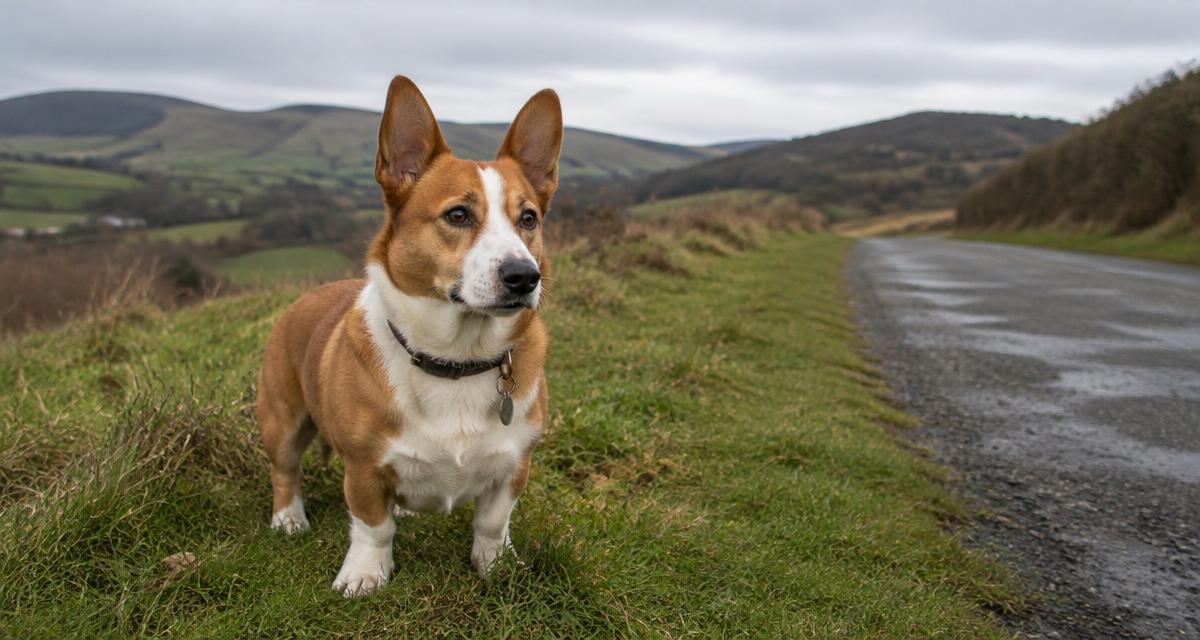
A Cojack is a Corgi crossed with a Jack Russell. Usually that means a Pembroke Welsh Corgi, though Cardigan crosses exist too. The result is a short-legged, sturdy little dog with plenty of brains and opinions. Most look like a slightly leggier Corgi with Jack Russell markings, and many have the Corgi's big upright ears.
About the Cojack
Where they come from
Corgis were cattle dogs in Wales, nipping at heels to move herds. Jack Russells were bred for fox hunting in the South West. Crossing the two gives a small, hardy farm-type dog, and plenty of Cojacks still live on smallholdings. The cross has become more common as a family pet in recent years.
Temperament
Alert, confident and loyal. Many are wary of strangers at first and will tell you when someone is at the door. Some try to herd children or other pets by circling and nipping at heels, which needs gentle redirecting early on.
At a glance
- Very intelligent and trainable
- Sheds a lot, especially with a Corgi double coat
- Can be vocal
- Herding and chasing instincts
- Short legs and a long back, so keep them lean
Cojack health and vet costs
The problems we see most
- Back problems (IVDD). Corgis are a dwarf breed, and dwarf breeds have a higher risk of disc disease. Signs include back pain, reluctance to jump and wobbly back legs.
- Hip dysplasia. Recognised in Corgis. Lameness or stiffness after rest can be early signs.
- Obesity. Corgis are notorious for it. Extra weight puts more strain on the back and joints.
- Luxating patella. Slipping kneecaps, more often from the Jack Russell side.
- Dental disease. Common in small terriers. Budget for a scale and polish in middle age.
- Degenerative myelopathy. A slow-onset spinal cord disease seen in older Corgis. There is a DNA test for the main risk gene.
Health checks to ask the breeder about
For the Corgi parent, ask about hip scoring, an eye test and a DNA test for degenerative myelopathy (SOD1). For the Jack Russell parent, ask about primary lens luxation (PLL) DNA testing and any history of slipping kneecaps.
When to go to the vet the same day
Yelping when picked up, a hunched back, dragging or knuckling the back feet, or sudden weakness in the back legs. Also any eye that suddenly looks cloudy, red or painful, since lens luxation can cause glaucoma very quickly.
Living with a Cojack
With children
Usually good with children who are gentle. Teach children not to run screaming around the dog, as that can set off herding nips. Lift the dog with support under the chest and back end.
With other pets
Generally fine with other dogs. Cats raised with the dog are often accepted. Small pets are at risk from the terrier side.
At home
A Cojack can live in a flat if it gets enough exercise and mental work, but the barking and shedding are worth thinking about. Ramps or steps for furniture help protect the back.
Exercise and training
How much exercise
About an hour a day, plus something for the brain. They enjoy agility-style games at ground level, scentwork and learning tricks. Avoid lots of high jumps.
Training
They pick things up quickly, sometimes too quickly, and will train you if you let them. Keep sessions short and reward-based. Work on calm greetings and a "leave it".
Grooming and coat care
Coat
Most have a short to medium double coat. Brush once or twice a week, and daily during the spring and autumn moult. A de-shedding brush is worth buying.
Teeth and nails
Regular tooth brushing helps a lot. Short legs mean nails are easy to forget, so check them every couple of weeks.
Diet and nutrition
Feeding
Weigh out meals and keep treats small. A Cojack should have a visible waist and ribs you can feel without pressing. Many owners only notice weight gain when the vet mentions it, so step on the scales at the practice whenever you pass.
How much does a Cojack cost at the vet?
UK average prices
These are current UK averages taken from published vet price lists on our site:
| Treatment | UK average |
|---|---|
| Routine consultation | £60.23 |
| Annual booster vaccination | £70.70 |
| Kennel cough vaccination | £63.71 |
| Microchipping | £28.55 |
| Castration (male) | £268.54 |
| Spay (female) | £361.91 |
Plenty of practices price neutering by weight. For a dog of roughly 10–25kg, castration is typically around £280 (most practices charge £212–£375) and a spay around £368 (most charge £300–£510).
A realistic yearly budget
Routine care for a healthy adult is usually £250–£450 a year. Back or hip problems are the main unpredictable costs, and those can reach the thousands if referral is needed.
Pet insurance for a Cojack
Is it worth it?
Yes, for most owners. Back and joint problems can be expensive and long-running. Insure before any issue is noted on the vet record, and check the policy covers referral treatment.
How to list a cross
Most UK insurers let you list a dog as a crossbreed and pick the two parent breeds, or choose a size-based "mixed breed" option. It is worth trying both on comparison sites, because the quote can change noticeably depending on which parent breed is named. Be honest either way. A mismatch between what you declared and what your vet's notes say can cause problems at claim time.
Choosing a vet for your Cojack
What to look for
Any good small-animal practice can look after a Cojack. What matters more is how they explain costs and whether you can see the same vet when something drags on. Ask what a consultation includes, whether they run a monthly health plan, and where your dog would go out of hours. You can compare consultation and vaccination prices at practices near you, and our emergency vets page lists dedicated out-of-hours clinics across the UK.
Frequently asked questions
What is a Cojack?
How big do Cojacks get?
Do Cojacks shed a lot?
Are Cojacks easy to train?
What health problems do Cojacks have?
How much does a Cojack cost at the vet each year?
Related breeds
By The Vet Price Comparison Site editorial team · Last reviewed15 October 2026. Sources: RCVS, The Kennel Club, RVC VetCompass, ABI, and our live UK vet pricing index.