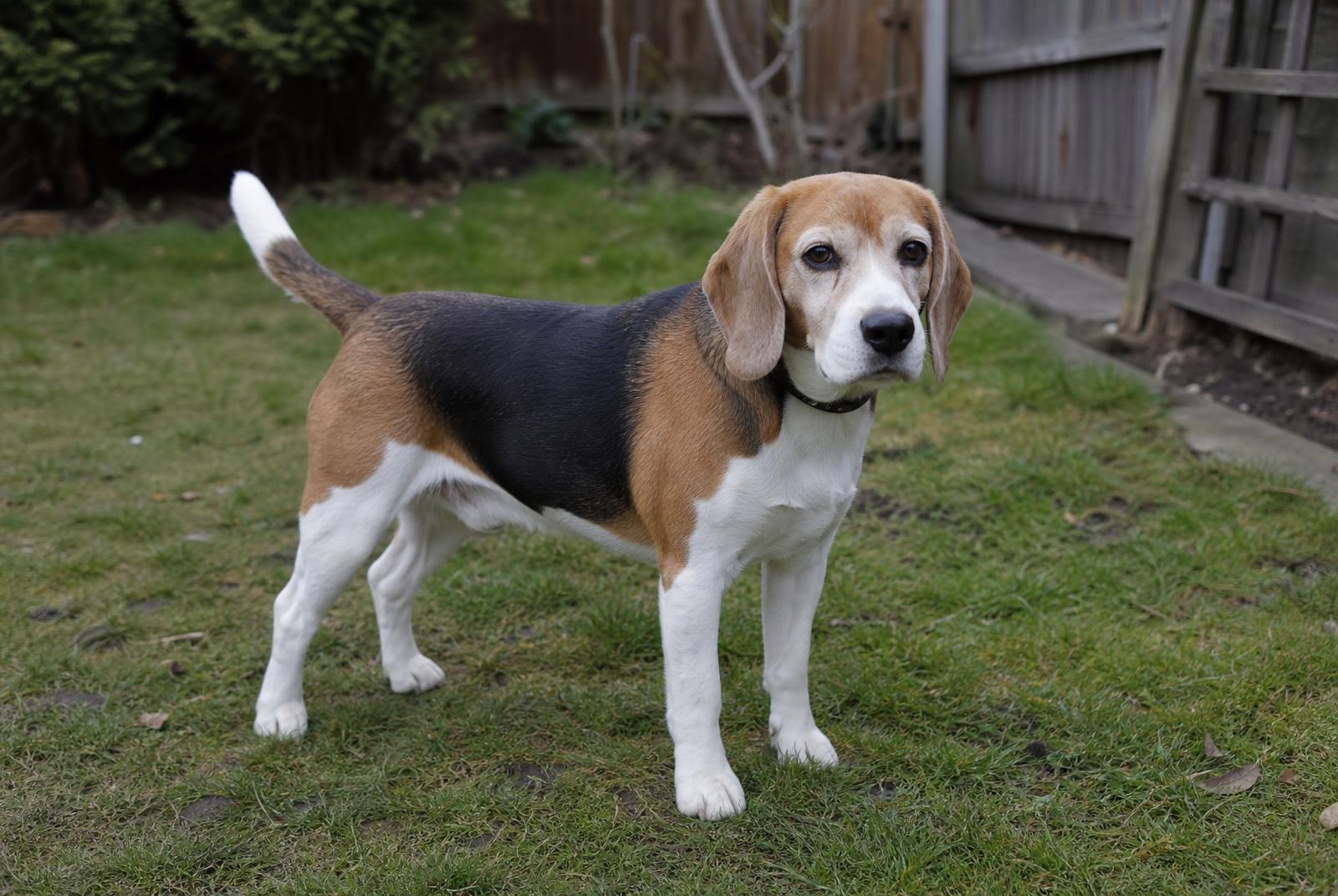
Beagle
The Beagle is a compact, friendly scent hound known for its expressive face, sociable nature and exceptional nose. Originally developed to follow quarry in a pack, it remains energetic, curious and strongly motivated by scent. Beagles often make affectionate family companions, but their independent streak, enthusiasm for food and tendency to follow interesting smells require patient training and secure outdoor spaces.
About the Beagle
History & background
Beagle-type hounds have been used in Britain for centuries, although the modern breed developed principally during the nineteenth century. They were bred to hunt hare by scent, working steadily in packs while people followed on foot or horseback. This background explains the modern Beagle's stamina, close interest in other dogs and ability to remain absorbed by a scent trail.
The Beagle is a member of the Hound group and retains many working characteristics despite its popularity as a companion. It is compact but robust, with a short, weather-resistant coat, long drop ears and a tail traditionally carried high enough to remain visible in cover. Accepted colours vary, with tricolour and combinations involving tan, black and white commonly seen. Responsible breeding should prioritise sound health, temperament and functional conformation rather than exaggerated features.
Temperament & personality
Most Beagles are cheerful, affectionate and enthusiastic about joining household activities. Their history as pack dogs means many enjoy human and canine company and may struggle if routinely left alone for long periods. They can express boredom or distress through howling, barking, chewing or attempts to escape, so gradual training for short periods alone is important.
A Beagle is intelligent, but not always naturally compliant. Following scent and seeking food can be more rewarding than responding to an owner, particularly outdoors. This is not stubbornness in a human sense; it reflects the independence required of a working scent hound. Reward-based training, consistent boundaries and realistic management usually produce better results than punishment. Individual temperament varies, and early socialisation should include calm exposure to people, dogs, handling, travel and everyday household sounds.
Personality traits
Common Beagle characteristics include:
- Sociable: usually enjoys companionship and involvement in family life.
- Curious: investigates the environment primarily through scent.
- Energetic: benefits from purposeful walks, play and mental activity.
- Food-motivated: often responds well to treats but may scavenge or gain excess weight.
- Independent: may prioritise a scent trail over recall commands.
- Vocal: can bark, howl or produce the characteristic hound bay.
- Affectionate: commonly forms warm relationships with adults and children.
- Persistent: may work hard to reach food or escape an insecure garden.
Beagle health — common conditions and vet costs
Top 6 conditions
Beagles are generally robust, but no breed is free from inherited or acquired disease. The cost of investigation and treatment depends on severity, location, diagnostic tests, medication, referral needs and whether emergency care is required. The following bands are qualitative rather than quotations, so ask your vet for a written estimate.
- Obesity: Beagles are often highly food-motivated and can gain weight if portions, treats and exercise are not controlled. Excess weight can worsen joint, breathing and metabolic problems. Management may involve examination, dietary planning and investigation of contributory disease. Typical cost band: moderate, rising if tests or related illness require treatment.
- Ear disease: drop ears can restrict ventilation and make inflammation or infection less obvious. Signs include scratching, head shaking, odour, discharge, redness or pain. Recurrent cases may need microscopy, cultures or investigation for allergy and other underlying causes. Typical cost band: moderate, potentially high for chronic or complicated disease.
- Epilepsy and seizures: Beagles may be affected by seizure disorders, although collapse or shaking has several possible causes. Diagnosis can involve blood tests, imaging or referral, and some dogs need long-term medication and monitoring. Typical cost band: moderate to high, particularly when advanced investigations or emergency treatment are needed.
- Hypothyroidism: reduced thyroid function may contribute to lethargy, weight gain and coat or skin changes. Blood testing is needed because these signs are not specific, and affected dogs commonly require ongoing medication with monitoring. Typical cost band: moderate for investigation and long-term management.
- Eye disease: inherited or acquired problems can affect vision and comfort. Redness, cloudiness, discharge, squinting, impaired navigation or a change in pupil appearance warrant assessment. Some cases need specialist examination, medication or surgery. Typical cost band: moderate to high, depending on the condition and referral requirements.
- Musculoskeletal and spinal problems: Beagles can develop joint pain, injury or spinal disease, with signs such as stiffness, limping, reluctance to jump, a hunched posture or weakness. Investigation may include imaging, while treatment ranges from rest and medication to specialist surgery. Typical cost band: moderate to high.
Breed-specific screening tests
Before buying a puppy, ask the breeder which current health tests are recommended for Beagles under recognised UK breed-health guidance. Relevant schemes and DNA tests can change as evidence develops, so verify the latest advice through the Royal Kennel Club, the breed club and the breeder's veterinary documentation. Depending on the breeding line, testing may address inherited neurological, clotting, metabolic or musculoskeletal disorders, alongside appropriate eye assessment.
Ask to see original, verifiable results for both parents rather than accepting a general statement that they have been checked. A clear result for one condition does not guarantee that a puppy will never become ill, and routine veterinary examination remains essential. Rescue organisations may not have complete family records, but they should share known medical and behavioural information. Your vet can advise on examinations, vaccination, parasite control, weight and any tests appropriate to the individual dog.
When to see a vet — red flags
Seek urgent veterinary advice if a Beagle has difficulty breathing, repeated seizures, collapse, severe pain, a swollen abdomen, repeated unproductive retching, uncontrolled bleeding, sudden weakness, paralysis, suspected poisoning or an inability to pass urine. Eye pain, marked squinting or sudden loss of vision also requires prompt assessment. Contact the practice before travelling where possible so the team can prepare and advise whether emergency care is needed.
Arrange a routine appointment for persistent itching, ear discharge, lameness, excessive thirst, unexplained weight change, recurring vomiting or diarrhoea, altered appetite, new lumps, dental discomfort or a sustained change in behaviour. Beagles may continue eating despite discomfort, so appetite alone is not proof that all is well. Early assessment can improve welfare and may prevent a manageable condition from becoming more complex.
Family life with a Beagle
With children
Well-socialised Beagles are often playful and affectionate with children, making them appealing family dogs. Their enthusiasm can lead to jumping up or snatching food, however, and even a friendly dog may become uncomfortable if disturbed while sleeping or eating. Adults should supervise every interaction, teach children to handle the dog gently and provide a quiet retreat that is never treated as a play area. Children should not walk a Beagle alone unless they can manage its strength, scent-driven pulling and reactions safely. Puppies also require calm periods and substantial sleep, so constant attention from children can be overwhelming.
With other pets
Because Beagles historically worked in packs, many live comfortably with other dogs following careful introductions. Compatibility still depends on personality, social experience and resource management. Their hunting heritage can produce an urge to pursue rabbits, rodents, birds or cats, and friendly behaviour towards one familiar animal does not guarantee safety around others. Introduce resident pets gradually, use gates or leads initially and provide separate feeding areas. Cats should have inaccessible resting places and escape routes. Small mammals and birds need secure accommodation in a dog-free room, as supervision alone may not remove the risk posed by predatory behaviour.
Home environment
A Beagle can adapt to a house or flat if its exercise, enrichment and companionship needs are met. Noise is an important consideration in attached accommodation because the breed may bay or howl when excited, frustrated or left alone. A garden is useful but must be securely fenced, with gates and boundaries checked for gaps or digging points. Food, household chemicals and waste bins should be inaccessible. Indoors, provide a comfortable bed, chew items and scent-based activities. Beagles generally prefer being part of daily life and are not suited to long periods isolated outdoors.
Exercise & training
Exercise needs
A healthy adult Beagle commonly benefits from around 60 to 90 minutes of activity each day, divided into suitable outings and adjusted for age, fitness, health and weather. Walking should include opportunities to sniff rather than focusing only on distance. Scent trails, food searches and controlled tracking games satisfy natural behaviour and can be mentally tiring. Play and training sessions add variety, while regular rest helps prevent over-arousal.
Puppies should not be pushed through repetitive, high-impact exercise while growing, and older dogs may need shorter, gentler walks. Ask your vet for individual guidance if your dog has joint, heart, breathing or weight concerns. Recall can be unreliable when a scent is present, so use secure fields or a well-fitted harness and long line rather than allowing unsafe freedom. Identification details should remain current, and UK microchipping requirements should be followed.
Training approach
Begin with short, reward-based sessions in a quiet setting. Food rewards are often effective, but use small portions taken from the daily allowance and vary reinforcement with praise, toys or access to sniffing. Teach attention, recall, loose-lead walking, settling, handling and exchanging found objects. A strong leave cue is valuable for a breed prone to scavenging, although management remains essential.
Practise gradually around increasing distractions and avoid repeatedly calling when the dog is unlikely to respond. Punishment can damage trust and may worsen fear or frustration without changing the underlying motivation. Prevent escape rehearsals by using secure gates, leads and household routines. For persistent howling, separation distress, guarding or reactivity, consult your vet first to exclude health problems, then seek a suitably qualified, reward-based clinical animal behaviourist or trainer.
Grooming & coat care
Coat & routine
The Beagle's short, dense coat is relatively low maintenance but sheds throughout the year, sometimes more noticeably during seasonal changes. Weekly brushing with an appropriate rubber grooming tool or soft brush helps remove loose hair and offers an opportunity to check the skin. Examine for redness, parasites, lumps, wounds and grass seeds after countryside walks. Introduce grooming positively from puppyhood, rewarding calm behaviour and keeping sessions brief. A sudden increase in shedding, bald patches, persistent scratching or skin odour should be discussed with a vet.
Bathing, ears, nails & teeth
Bathe when dirty using a dog-appropriate shampoo; frequent washing without veterinary advice may irritate the skin. Check drop ears regularly for redness, discharge, odour or discomfort, but do not insert cotton buds or use unprescribed cleaners. Nails need trimming often enough to prevent overgrowth, and paws should be checked after walks. Brush the teeth daily where possible with canine toothpaste, never human toothpaste. Dental chews are not a substitute for brushing or veterinary checks. Ask the practice team to demonstrate safe ear cleaning, nail trimming and toothbrushing if needed.
Diet & nutrition
Feeding a Beagle
Choose a complete, balanced food appropriate to the Beagle's life stage and follow the manufacturer's starting guidance, adjusting with veterinary advice according to body condition and activity. Weigh meals rather than estimating portions, account for training treats and avoid unrestricted access to food. Treats should form only a small part of the overall diet. Use puzzle feeders, scatter feeding in a secure area or scent games to slow eating and provide enrichment.
Monitor body shape regularly: the ribs should be easy to feel beneath a light covering, with a visible waist when viewed from above. Because Beagles can be persuasive around food, every household member should follow the same feeding plan. Keep bins, shopping bags and toxic foods securely out of reach. Sudden dietary changes may upset digestion, so introduce a new food gradually unless a vet advises otherwise. Contact your vet about persistent digestive signs, rapid weight change or uncertainty over diets for puppies, older dogs or those with medical conditions.
How much does a Beagle cost at the vet?
UK average prices
Across published UK vet price lists, the UK average consultation is £60.60. For a dog the typical booster vaccination averages £70.56, castration averages £257.13 and spaying averages £348.88. Neutering is priced by size at many practices. For a medium dog of roughly 10–25kg, the typical castration is around £280 (most £212–£375) and a spay around £368 (most £300–£510). Microchipping averages £26.49. Individual practice charges vary regionally and by ownership (corporate vs independent). Always request a written estimate.
Routine annual budget
A Beagle's routine annual veterinary budget is usually moderate, but there is no single reliable total for every dog. Preventive needs can include health examinations, booster vaccinations when due, parasite control based on lifestyle and local risk, dental assessment and prescribed medication. Puppies, older dogs and animals with chronic conditions may need more frequent appointments or monitoring. Food, grooming, training, insurance and emergency treatment are separate household costs. Ask your chosen practice for a written preventive-care estimate and clarify what any health plan includes, as a practice plan is not the same as pet insurance.
Pet insurance for a Beagle
Why insurance matters
Unexpected illness or injury can require diagnostic imaging, hospitalisation, surgery, referral or long-term medication, creating a high cost even in a generally healthy dog. Insurance may help owners make treatment decisions with less financial pressure, subject to the policy's terms. Buy cover before problems arise where possible, because pre-existing conditions are commonly excluded. Insurance does not remove the need for an emergency fund: owners may need to pay the vet first, cover an excess or pay for items the policy excludes. Disclose medical history accurately and tell the insurer about relevant changes.
What to look for
Compare the type and duration of cover, veterinary-fee limit, excess, any percentage contribution, exclusions, waiting periods and rules for ongoing conditions. Lifetime policies can replenish eligible limits when renewed, but only while cover remains continuous and subject to policy conditions. Check whether dental illness, hereditary conditions, complementary therapies, diagnostic work, emergency care abroad and behavioural treatment are included. Review how premiums and owner contributions may change as the dog ages. Read the full wording rather than relying on the summary, and confirm that the benefit limit would remain useful if a condition required referral or lifelong management.
Choosing a vet for your Beagle
What to look for
Choose a conveniently located practice that explains options clearly and makes your Beagle comfortable with handling. Ask about appointment availability, emergency arrangements outside normal hours, continuity of care, diagnostic facilities, referral pathways and support for weight, dental and behavioural concerns. Because Beagles can be anxious or highly food-focused in clinics, calm handling, suitable rewards and pre-visit advice can make examinations easier. Compare what is included in fees rather than considering the headline charge alone, and request written estimates for planned procedures.
Use our vet price comparison tool to compare practices near you.
Frequently asked questions
Is a Beagle a good family dog?
A well-socialised Beagle can be a warm, playful family companion. The breed generally enjoys company and often gets on well with respectful children. It nevertheless needs substantial exercise, patient training and secure management. Adults should supervise children and dogs together, protect the dog's resting and feeding areas, and teach children not to hug, chase or disturb it. Families should also be prepared for shedding, food-seeking and a potentially loud hound voice.
Can a Beagle be left alone?
Beagles are sociable pack hounds and may find long or sudden periods alone difficult. Teach independence gradually using very short, calm absences, a comfortable resting place and safe enrichment. Exercise alone does not cure separation distress. If the dog howls, toilets, destroys exits, drools or panics when left, speak to your vet and seek qualified behavioural help. A Beagle should not routinely be left for a full working day without suitable care and breaks.
Do Beagles need to stay on a lead?
Many Beagles have powerful scent-driven instincts and may ignore recall when following a trail. Off-lead exercise is safest in a properly enclosed area. Elsewhere, a well-fitted harness and long line can allow controlled sniffing while protecting the dog from roads, livestock and other hazards. Continue recall training throughout life, but do not assume good responses at home will transfer to a scent-rich environment. Observe local signs and keep dogs under effective control around livestock and wildlife.
How much exercise does a Beagle need?
A healthy adult commonly needs around 60 to 90 minutes of daily activity, split into manageable sessions and supplemented with sniffing, play and training. Requirements vary with age, health and temperament. Puppies need age-appropriate activity rather than forced running, while older or unwell dogs may need gentler outings. Mental enrichment is especially important because repetitive pavement walking may not satisfy a scent hound. Ask your vet before changing exercise substantially if there are health concerns.
How much does a Beagle cost at the vet in the UK?
Costs depend on the practice, region and treatment required. Across published UK vet price lists, an average consultation is £60.60, a dog booster vaccination £70.56, dog castration £257.13, dog spaying £348.88 and microchipping £26.49. Routine annual care is generally a moderate expense, while emergencies, chronic illness or referral can be high. Request a written estimate and consider insurance alongside an emergency fund.
Are Beagles easy to train?
Beagles are clever and often highly motivated by food, but their independence and scenting instinct can make training challenging outdoors. They learn best through short, consistent, reward-based sessions. Prioritise recall, lead walking, settling, handling and leaving scavenged items. Practise first in low-distraction places and increase difficulty gradually. Avoid punishment, which can create fear without reducing the desire to follow scents. Secure boundaries and sensible lead use remain important even with good training.
Related breeds
By The Vet Price Comparison Site editorial team · Last reviewed12 October 2026. Sources: RCVS, The Kennel Club, RVC VetCompass, ABI, and our live UK vet pricing index.