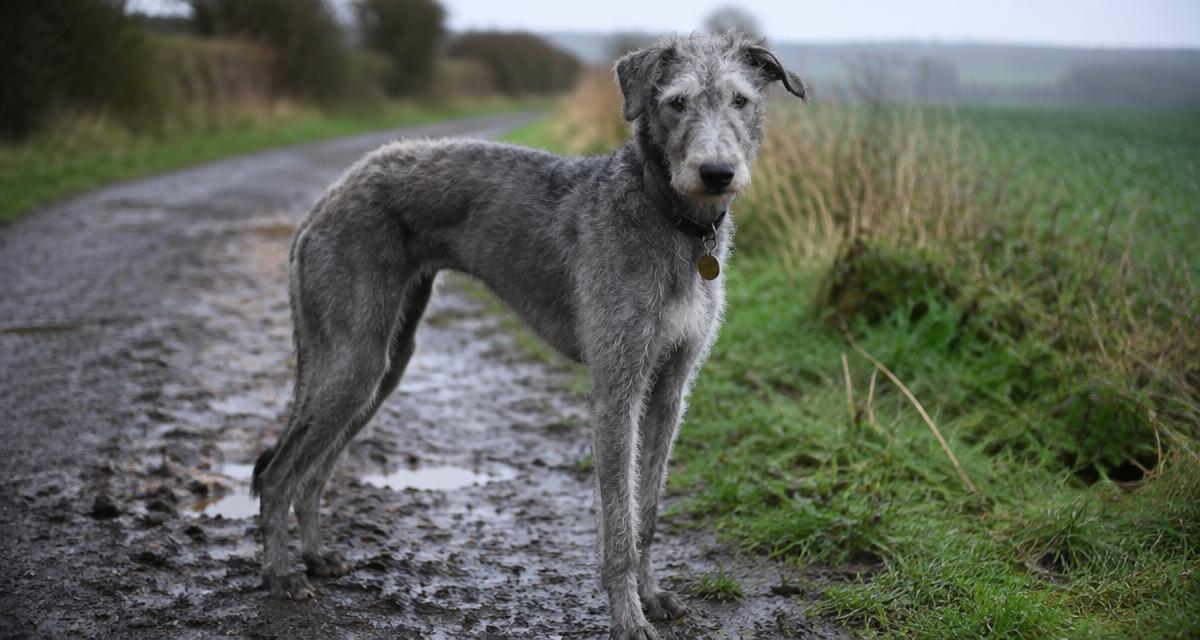
Bedlington Whippet
The Bedlington Whippet is a lurcher, plain and simple. Cross a Bedlington Terrier with a Whippet and you get a light, fast dog with a bit more grit than a pure Whippet and a coat that can be anything from smooth to scruffy and linty. They have been bred in the North East and on working farms for generations, mostly for rabbiting, long before anyone gave them a name for the internet.
About the Bedlington Whippet
Where they come from
Bedlington Terriers come from the mining villages of Northumberland and were always known as tough little poachers' dogs. Crossing them with Whippets gave working men a dog that could catch rabbits and hares but still fit in a small terraced house. Most Bedlington Whippets today are first crosses (one parent of each breed), but you will also see second and third generation dogs, and the mix can be more Whippet or more terrier depending on the litter.
Temperament
Indoors they are gentle and a little clingy. Most are fine with visitors, rarely bark and will happily sleep most of the afternoon. The terrier side tends to show as a bit more stubbornness and a stronger reaction to small furry things. Expect a dog that is sweet with people and much less reliable around cats, rabbits and squirrels.
What owners tend to say
- Very affectionate and good with sensible children
- Quiet in the house, and not usually destructive once past adolescence
- Recall is the main training headache
- They feel the cold, so most need a coat in winter
- Many owners find the coat easy, though linty coats can mat behind the ears
Bedlington Whippet health and vet costs
The problems we see most
- Skin tears and cuts. Sighthound skin is thin and splits easily on barbed wire, brambles and branches. Most tears need stitching under sedation or anaesthetic, and that commonly costs £300–£900 depending on the size of the wound and the time of day.
- Toe, pad and leg injuries. Broken toes, cut pads and muscle strains are common in dogs that sprint on rough ground.
- Copper toxicosis. Some Bedlingtons carry a COMMD1 gene deletion that stops the liver getting rid of copper. A cross can inherit it. A DNA test of the parents, or the puppy, is cheap compared with treating liver disease later.
- Dental disease. Narrow jaws crowd the teeth. A scale and polish under anaesthetic is often £250–£500, more if teeth come out.
- Anaesthetic considerations. Lean sighthound-type dogs carry very little body fat, so some drugs last longer. Tell the practice the cross before any procedure.
- Eye conditions. Bedlingtons can be affected by retinal dysplasia and some inherited eye problems, so ask whether the parents have had eye checks.
Health checks to ask the breeder about
Ask for a copper toxicosis (COMMD1) result for the Bedlington parent, and an eye test certificate if one is available. For the Whippet parent, a clear heart check is a sensible extra. A good breeder will not mind you asking. If nobody knows what you mean, that is useful to know too.
When to go to the vet the same day
Any skin wound that gapes, bleeds steadily or shows the tissue underneath. Sudden lameness after a run. A swollen, tight belly or retching without bringing anything up. Yellowing of the gums or eyes, vomiting and lethargy in a young dog, which can be a sign of liver trouble.
Living with a Bedlington Whippet
With children
Usually lovely. They are light, gentle and rarely snappy. Teach children not to wake a sleeping dog by touching it, and not to chase it round the garden, because sighthounds can knock small children flying at speed.
With other pets
Most get on well with other dogs, especially other sighthounds. Cats are a different matter. Some live happily with a cat they were raised with and still chase every other cat on the street. Small pets such as rabbits and guinea pigs should be kept well apart.
At home
They suit flats and small houses better than you might think, as long as they get a proper run every day. Soft bedding matters. They have bony elbows and hips and will find the softest spot in the house, which is often your bed.
Exercise and training
How much exercise
About an hour a day is plenty for most adults, ideally including a few minutes of real running somewhere enclosed. Secure dog fields are worth every penny. Lead walks alone will not satisfy them, but nor do they need hours of hiking.
Recall and prey drive
Start recall early, use high-value treats and use a long line in open countryside. Even a well-trained lurcher can switch off when a hare gets up. Near livestock, keep them on the lead. Farmers are within their rights to act if a dog worries sheep.
Grooming and coat care
Coat types
Smooth-coated dogs need little more than a rub down with a mitt. Broken or linty coats need a brush once or twice a week and occasional hand stripping or a tidy-up trim. Check behind the ears and in the armpits for mats.
Nails, teeth and skin
Keep nails short, because long nails make toe injuries more likely. Brush teeth several times a week if your dog will let you. After every countryside walk, run your hand over the body and legs to find small cuts before they get infected.
Diet and nutrition
Feeding
A good-quality complete diet suits most. You should be able to see the last couple of ribs and the hip bones a little. That is normal for this type of dog, not a sign of underfeeding. If you are worried about copper, talk to your vet before choosing a food, as some liver-friendly prescription diets are low in copper.
How much does a Bedlington Whippet cost at the vet?
UK average prices
These are current UK averages taken from published vet price lists on our site:
| Treatment | UK average |
|---|---|
| Routine consultation | £60.23 |
| Annual booster vaccination | £70.70 |
| Kennel cough vaccination | £63.71 |
| Microchipping | £28.55 |
| Castration (male) | £268.54 |
| Spay (female) | £361.91 |
Plenty of practices price neutering by weight. For a dog of roughly 10–25kg, castration is typically around £280 (most practices charge £212–£375) and a spay around £368 (most charge £300–£510).
A realistic yearly budget
A healthy adult usually costs £250–£450 a year in routine care: a booster, a health check and parasite treatment. The extras to plan for are injury repairs and dental work later in life. One or two stitched wounds in a dog's lifetime is fairly normal for a lurcher.
Pet insurance for a Bedlington Whippet
Is it worth it?
For a dog that runs flat out across fields, yes for most owners. A single bad tear treated out of hours can easily pass £1,000. Look for lifetime cover if you want ongoing conditions covered year after year.
How to list a cross
Most UK insurers let you list a dog as a crossbreed and pick the two parent breeds, or choose a size-based "mixed breed" option. It is worth trying both on comparison sites, because the quote can change noticeably depending on which parent breed is named. Be honest either way. A mismatch between what you declared and what your vet's notes say can cause problems at claim time.
Choosing a vet for your Bedlington Whippet
What to look for
Any good small-animal practice can look after a Bedlington Whippet. What matters more is how they explain costs and whether you can see the same vet when something drags on. Ask what a consultation includes, whether they run a monthly health plan, and where your dog would go out of hours. You can compare consultation and vaccination prices at practices near you, and our emergency vets page lists dedicated out-of-hours clinics across the UK.
Frequently asked questions
Is a Bedlington Whippet a lurcher?
How big does a Bedlington Whippet get?
Are Bedlington Whippets good family dogs?
Do Bedlington Whippets shed?
What health problems do Bedlington Whippets get?
How much do Bedlington Whippet vet bills cost in the UK?
Related breeds
By The Vet Price Comparison Site editorial team · Last reviewed15 October 2026. Sources: RCVS, The Kennel Club, RVC VetCompass, ABI, and our live UK vet pricing index.