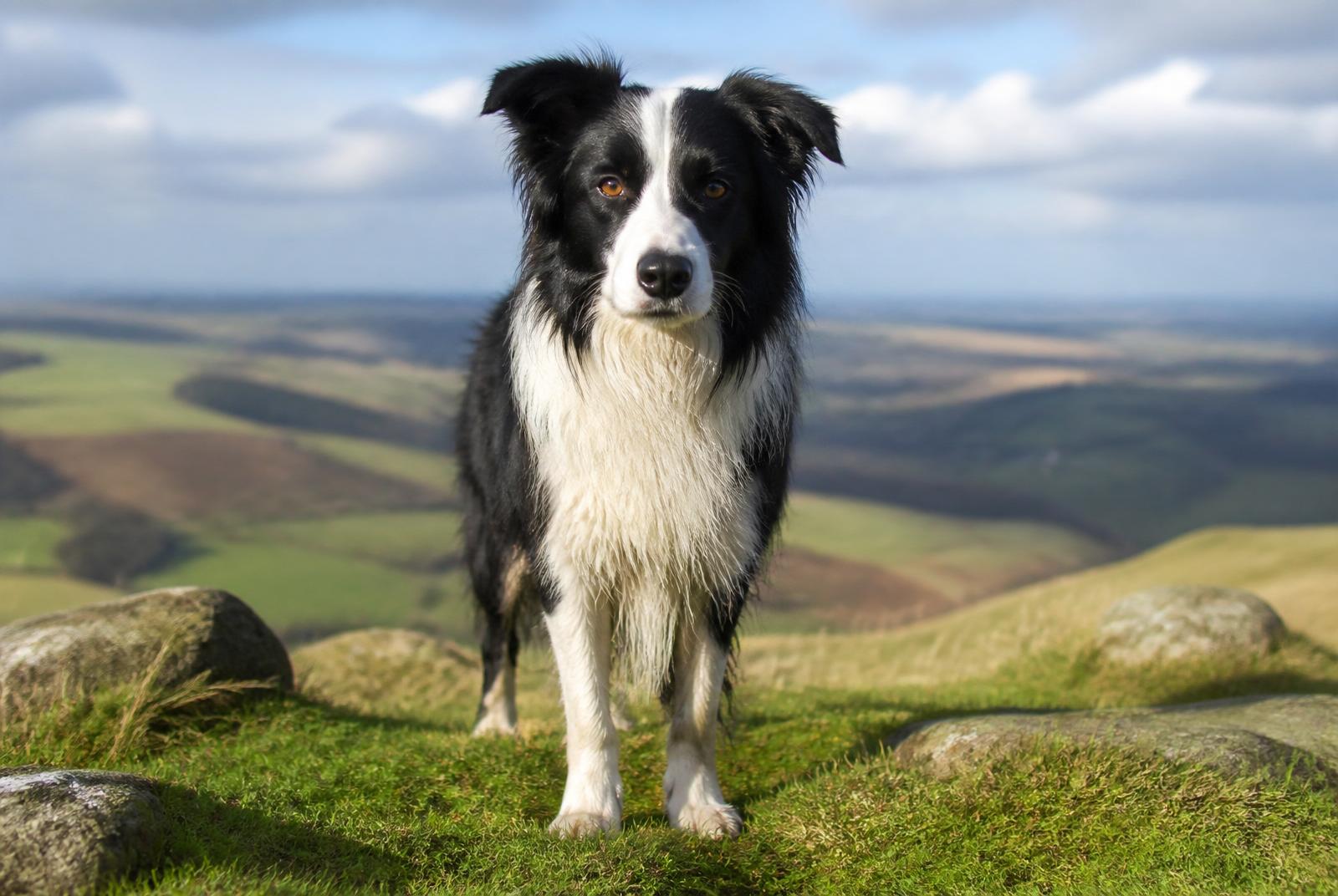
Border Collie
The Border Collie is an exceptionally intelligent, energetic pastoral dog developed to gather and control livestock. Alert, responsive and intensely focused, the breed is best suited to owners who enjoy training and can provide meaningful physical and mental activity every day. Border Collies often form close relationships with their families, but their sensitivity and strong working instincts mean that early socialisation, calm handling and clear routines are particularly important.
About the Border Collie
History & background
Border Collies developed in the border country between England and Scotland, where shepherds selected dogs for stamina, responsiveness and the ability to manage sheep over difficult terrain. Their name reflects this regional origin, while the word collie has long been associated with sheepdogs. Working ability, rather than a uniform appearance, shaped the breed for generations.
The characteristic crouching approach and intense gaze, often called eye, allow a Border Collie to influence livestock with precision. Modern Border Collies still work on farms throughout the UK, while others compete in sheepdog trials, agility, obedience, flyball and scent-based sports. Different breeding lines may emphasise working performance or show-ring appearance, but individuals from either background require thoughtful training and substantial engagement.
Temperament & personality
A typical Border Collie is observant, sensitive and highly motivated to work with a handler. Many learn cues rapidly and notice subtle changes in movement, tone and routine. This intelligence does not make the breed effortless to own: a Border Collie may learn unwanted behaviour just as quickly as desirable behaviour and can become frustrated by inconsistency or inactivity.
Temperament varies with genetics, early experience and environment. Some are sociable with unfamiliar people, whereas others are reserved. Herding behaviour may be directed towards children, bicycles, cars or other animals if it is not managed safely. Reward-based training, appropriate outlets and gradual socialisation help build confidence. Harsh corrections are unsuitable for this sensitive breed and can increase anxiety or conflict.
Personality traits
Common Border Collie characteristics include:
- Exceptional awareness: they closely monitor people, animals and movement in their surroundings.
- Strong working drive: many actively seek tasks and may invent their own when underoccupied.
- High trainability: they usually respond well to precise, reward-based teaching.
- Physical stamina: adults can remain active for long periods when appropriately conditioned.
- Sensitivity: loud environments, unpredictable handling or punitive methods may be difficult for some individuals.
- Herding instinct: stalking, circling and controlling movement are natural behaviours that require safe management.
- Close attachment: many prefer being involved in family life and may struggle if regularly left alone for long periods.
Border Collie health — common conditions and vet costs
Top 6 conditions
Border Collies are generally athletic dogs, but inherited and acquired conditions occur within the breed. Diagnosis and treatment depend on severity, the dog's age and the services required. The bands below are qualitative because charges vary considerably; ask your vet for a written estimate before planned tests or treatment.
- Collie Eye Anomaly: This inherited developmental disorder affects structures at the back of the eye. Some dogs have mild changes, while severe cases may experience retinal detachment or impaired vision. DNA testing can identify the relevant genetic status, and puppies can also receive specialist eye examination. Typical cost band: Moderate for investigation and screening, potentially high if specialist care is required.
- Hip dysplasia: Abnormal development of the hip joints can contribute to pain, stiffness, reduced activity and osteoarthritis. Management may involve weight control, physiotherapy, medication or surgery according to severity. Typical cost band: Moderate for investigation and conservative care; high for advanced imaging or surgery.
- Epilepsy: Recurrent seizures may be caused by primary epilepsy or by another underlying illness. Diagnosis can require blood tests, imaging and neurological assessment, while some dogs need lifelong medication and monitoring. Typical cost band: Moderate for ongoing management and potentially high for emergency or specialist investigation.
- Progressive retinal atrophy: This group of inherited retinal diseases causes gradual loss of vision and may eventually lead to blindness. There is no curative treatment, although affected dogs can often adapt well with environmental support. Typical cost band: Moderate for ophthalmic diagnosis and monitoring.
- Trapped neutrophil syndrome: This serious inherited immune disorder affects the release of neutrophils from bone marrow, leaving affected puppies vulnerable to recurrent infections and poor growth. Responsible breeding uses DNA testing to avoid producing affected puppies. Typical cost band: Moderate to high for diagnostic investigation, supportive treatment and repeated care.
- Musculoskeletal and soft-tissue injuries: Fast turns, jumping and intense work can contribute to strains, ligament injuries, paw damage or joint problems. Risk can be reduced through conditioning, warm-ups, suitable surfaces and avoiding repetitive high-impact exercise in growing puppies. Typical cost band: Moderate for assessment and rehabilitation; high where advanced imaging or surgery is needed.
Breed-specific screening tests
Before buying a puppy, ask the breeder for verifiable health results for both parents rather than relying on a statement that they have been vet checked. Relevant screening may include hip assessment, a current eye examination and DNA tests for inherited disorders known in Border Collies, including Collie Eye Anomaly and trapped neutrophil syndrome. Other tests may be appropriate according to the dogs' lineage and current breed health guidance.
Results should be explained in the context of the proposed mating because a carrier of a recessive condition is not necessarily ill and may be bred responsibly to a genetically clear dog. A reputable breeder should discuss this openly, provide documentation and prioritise temperament as well as physical health. Consult your vet and current Kennel Club or breed health scheme guidance if you are unsure how to interpret results.
When to see a vet — red flags
Seek prompt veterinary advice for sudden vision changes, eye pain, repeated squinting, collapse, loss of balance, marked lameness, persistent stiffness, unexplained weight loss, recurrent infections or a significant change in behaviour. A seizure, breathing difficulty, suspected poisoning, severe injury, repeated vomiting, a swollen abdomen or inability to stand warrants urgent contact with a veterinary practice.
During a seizure, move hazards away if it is safe to do so, keep hands clear of the mouth and time the episode. Do not restrain the dog or attempt to place anything in its mouth. Contact a vet immediately if it is the dog's first seizure, episodes repeat, recovery is abnormal or your practice advises emergency assessment. Do not give human painkillers or other medicines unless a vet has specifically prescribed them for that dog.
Family life with a Border Collie
With children
A well-socialised Border Collie can be affectionate and playful with considerate children, particularly when raised in a calm household with clear boundaries. However, rapid movement and excited noise may trigger stalking, circling or attempts to control movement, sometimes including nipping at clothing or heels. Adults should interrupt this calmly and provide an appropriate alternative activity rather than punishing instinctive behaviour. All contact between dogs and young children requires active supervision. Children should leave dogs undisturbed while eating, sleeping or using a safe resting area, and should never climb on, hug tightly or corner them. Families must have enough time to meet the dog's needs separately from children's activities.
With other pets
Many Border Collies live successfully with other dogs, and some coexist peacefully with cats when introduced carefully. Their response depends on individual temperament, socialisation and predatory or herding drive. Persistent staring, stalking or chasing can distress another pet even when the Collie intends no harm. Use gradual introductions, barriers and separate resting and feeding areas, rewarding calm behaviour around the other animal. Small pets such as rabbits should be securely separated and never treated as training partners. If chasing, guarding or conflict develops, seek help from a vet or a suitably qualified clinical animal behaviourist.
Home environment
Access to a secure garden is helpful but does not replace walks, training or varied enrichment. Border Collies can adapt to different homes when their needs are consistently met, although a small flat or busy urban setting may be challenging for a movement-sensitive or noise-sensitive individual. Secure fencing is important because the breed may chase wildlife, vehicles or joggers. Provide a quiet sleeping place, predictable rest periods and activities away from windows if passing movement causes fixation or barking. These social dogs should be taught to relax alone gradually; they are generally unsuitable for households where they would routinely be left for long working days.
Exercise & training
Exercise needs
A healthy adult Border Collie commonly needs around two hours of varied daily exercise, alongside training, sniffing and problem-solving. Individual requirements differ with age, health, fitness and working drive. Quality matters as much as duration: structured walks, safe off-lead exploration, scent games, controlled retrieving and canine sports offer more balanced stimulation than repeatedly throwing a ball until the dog is exhausted.
Puppies need shorter, age-appropriate activity with plenty of sleep and opportunities to explore without forced mileage or repetitive jumping. Increase intensity gradually as the dog matures, and ask your vet about exercise if there are concerns about joints or growth. Adults also require recovery days and the ability to settle. Constant high-arousal activity can create an increasingly fit dog who finds relaxation difficult, so alternate energetic sessions with calm enrichment and rest.
Training approach
Use short, clear sessions and rewards the individual values, such as food, toys or access to an activity. Teach practical skills early, including recall, loose-lead walking, waiting at doors, settling on a mat, giving up objects and disengaging from moving stimuli. A long line attached to a suitable harness can support recall training in safe open areas, particularly where livestock or traffic may be present.
Avoid allowing rehearsal of car, bicycle, livestock or wildlife chasing. Around farm animals, follow local signs and keep the dog under close control; use a lead whenever necessary. Border Collies often benefit from scent work, trick training, agility foundations and carefully managed herding with an experienced instructor. If fixation, noise sensitivity, compulsive behaviour, separation problems or reactivity appear, arrange a veterinary assessment before seeking behaviour support because pain and illness can affect behaviour.
Grooming & coat care
Coat & routine
Border Collies may have a moderately long rough coat or a shorter smooth coat, usually with a weather-resistant double layer. Brush at least once or twice a week to remove loose hair, distribute natural oils and find tangles, grass seeds, ticks or skin changes. Rough coats need particular attention behind the ears, under the collar, around the legs and beneath the tail. Shedding often increases seasonally, when more frequent brushing can help. Do not routinely clip or shave a healthy double coat, as this alters its protective function; ask a vet or qualified groomer for advice if matting, skin disease or medical needs complicate coat care.
Bathing, ears, nails & teeth
Bathe when dirty using a dog-appropriate shampoo, rinse thoroughly and dry the dense undercoat. Check ears regularly for redness, odour, discharge or discomfort, but do not insert cotton buds or apply cleaners unless advised. Inspect paws after countryside walks, especially during grass-seed season, and keep nails short enough not to affect gait. Introduce daily tooth brushing gradually with dog-safe toothpaste; human toothpaste is unsuitable. Persistent bad breath, bleeding gums, broken teeth, head shaking, itchy skin or sore paws should be assessed by a vet rather than managed repeatedly with home products.
Diet & nutrition
Feeding a Border Collie
Choose a complete diet appropriate for the dog's life stage and feed according to body condition, activity and veterinary advice rather than relying only on the packet guide. Working dogs may need a different energy intake from household companions, while neutering, reduced exercise or ageing can lower calorie requirements. You should be able to feel the ribs beneath a light covering and see a waist from above. Weigh meals, include training treats in the daily allowance and review weight regularly.
Puppies need a complete growth diet and measured meals to support steady development. Avoid unbalanced supplements unless prescribed, as adding nutrients to an already complete food may be harmful. Make dietary changes gradually where possible and provide constant access to fresh water. Contact a vet if appetite, thirst, weight or stools change persistently. Discuss food selection with the practice if the dog has gastrointestinal signs, allergies, epilepsy, joint disease or an unusually demanding working schedule.
How much does a Border Collie cost at the vet?
UK average prices
Based on our dataset of ~5,000 UK vet practices, the UK average consultation is £60.60. For a dog the typical booster vaccination averages £70.56, castration averages £257.13 and spaying averages £348.88. Microchipping averages £26.49. Individual practice charges vary regionally and by ownership (corporate vs independent). Always request a written estimate.
Routine annual budget
A routine annual budget should allow for a health examination and vaccination where advised, parasite control based on lifestyle and local risk, dental prevention, prescribed medicines and minor unexpected problems. Costs are likely to be moderate for a healthy adult but rise with chronic illness, injury, dental treatment, emergency care or referral. Athletic dogs may also need rehabilitation or musculoskeletal assessment. Preventive care plans can spread some routine charges but are not the same as insurance and may exclude illness or accidents. Ask what is included, compare local practices and request written estimates for investigations, procedures and ongoing medication.
Pet insurance for a Border Collie
Why insurance matters
Border Collies are active dogs, so accidental injuries can occur, while conditions such as epilepsy or joint disease may require prolonged investigation, treatment and monitoring. Insurance can help with eligible veterinary bills, but policies differ substantially. Cover should ideally be in place before illness or injury develops because pre-existing conditions are commonly excluded. Insurance does not usually replace budgeting for routine preventive care, excess payments or charges above the policy limit. Read the policy documents carefully and disclose medical history accurately.
What to look for
Compare the veterinary-fee limit, whether it renews each policy year, the excess and any percentage contribution required as the dog ages. Check definitions of pre-existing, bilateral, hereditary and congenital conditions, plus limits for diagnostic imaging, specialist referral, physiotherapy, dental illness and behavioural treatment. Review exclusions for working dogs or particular activities if your Border Collie farms or competes. Consider how premiums may change over time and whether the cover remains practical throughout the dog's life, rather than choosing solely on the initial premium.
Choosing a vet for your Border Collie
What to look for
Choose an accessible practice where the team communicates clearly and is comfortable supporting active dogs, inherited eye concerns, seizure investigation and musculoskeletal problems. Ask about emergency arrangements, appointment availability, referral pathways, diagnostic facilities, rehabilitation links and continuity for long-term conditions. A calm waiting option can be helpful for sensitive dogs. Compare what consultation and procedure fees include, and ask for written estimates before non-emergency treatment. Convenience, clinical relationship and out-of-hours provision may matter as much as headline price.
Use our vet price comparison tool to compare practices near you.
Frequently asked questions
Is a Border Collie suitable for a first-time dog owner?
It can be, but only when the owner has sufficient time, realistic expectations and access to good training support. Border Collies learn quickly, need substantial mental and physical engagement, and may become fixated on movement or develop unwanted behaviour if under-stimulated. A calmer adult with a known temperament may suit a first-time owner better than a very driven working-line puppy. Meet several adult dogs, speak to responsible breeders or rescue staff and plan for reward-based classes before committing.
How much exercise does a Border Collie need?
A fit, healthy adult commonly needs around two hours of varied exercise each day, together with training, sniffing and problem-solving. Needs differ between individuals, and more exercise is not always better. Include calm walks, controlled running, scent activities and rest rather than relying on repetitive ball chasing. Puppies, older dogs and those with health conditions need an adjusted plan. Your vet can advise if lameness, stiffness, poor recovery or exercise intolerance develops.
Are Border Collies good family dogs?
They can be rewarding family companions in active households able to provide structure, supervision and daily training. Many are affectionate and loyal, but some are sensitive to noise and may herd running children by circling, staring or nipping. Children and dogs should always be supervised, and the dog needs a quiet area where it will not be disturbed. Families seeking a relaxed pet with modest exercise needs are likely to find another breed more suitable.
Do Border Collies shed and need professional grooming?
Yes. Both rough and smooth coats shed, often more heavily during seasonal coat changes. Brushing once or twice weekly is usually appropriate, with more frequent attention during heavy shedding or for feathered rough coats. Many owners can maintain the coat at home, although a professional groomer can help with dense undercoat, difficult tangles and nail care. Routine shaving is not recommended for a healthy double coat.
What is Collie Eye Anomaly?
Collie Eye Anomaly is an inherited developmental condition affecting structures at the back of the eye. Its effects vary: some dogs have mild changes with little apparent impact, while severe disease can impair sight. DNA testing helps breeders understand genetic status, and specialist eye examination can identify clinical changes. Ask for documented parental results when buying a puppy. A dog showing visual difficulty, eye pain or sudden eye changes should be examined promptly by a vet.
How much does Border Collie veterinary care cost in the UK?
Costs depend on location, practice, age, health and the treatment required. Based on our dataset of ~5,000 UK practices, an average consultation is £60.60, a dog booster vaccination is £70.56, dog castration is £257.13, dog spaying is £348.88 and microchipping is £26.49. Routine annual care is generally a moderate commitment for a healthy dog, while emergency, specialist or long-term treatment may be high. Request written estimates and consider suitable insurance.
Related breeds
By The Vet Price Comparison Site editorial team · Last reviewed23 September 2026. Sources: RCVS, The Kennel Club, RVC VetCompass, ABI, and our live UK practice pricing dataset.