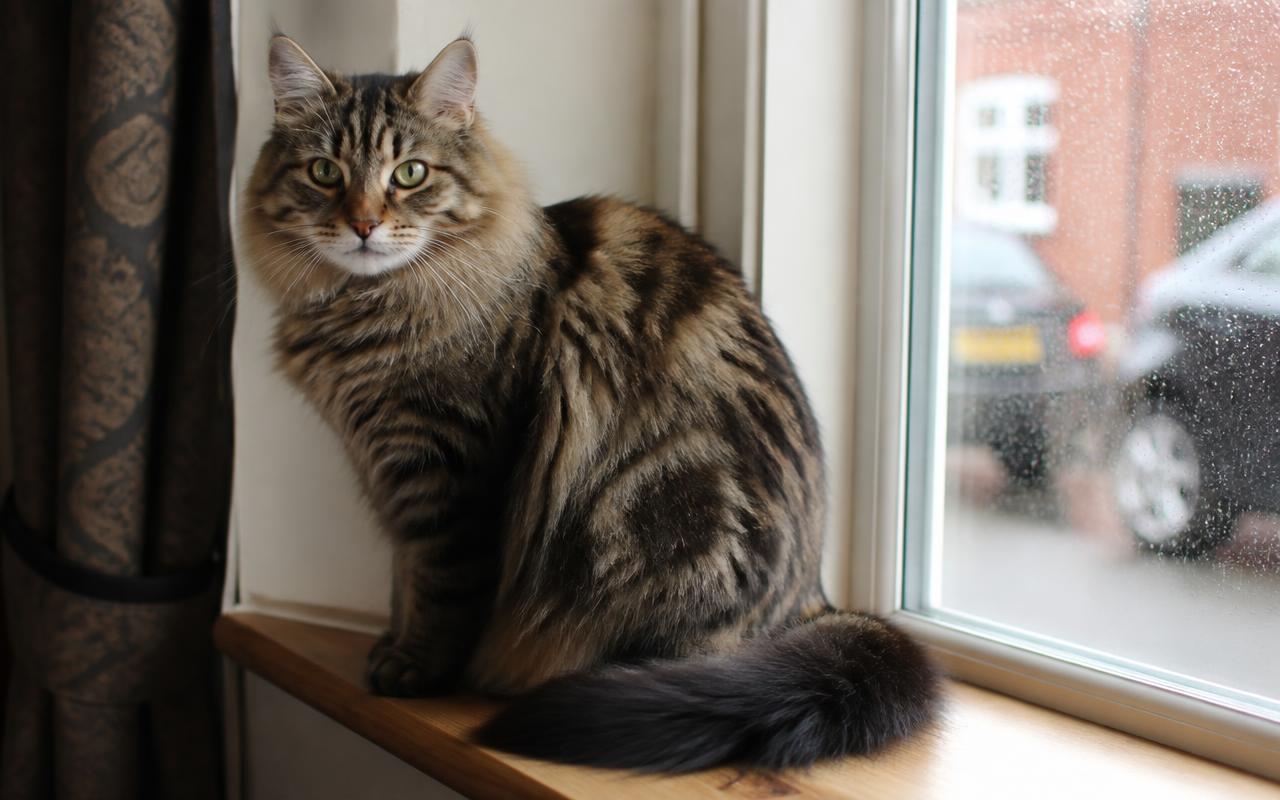
Siberian Cat
The Siberian Cat is a majestic, naturally occurring breed hailing from the unforgiving climates of subarctic Russia. Known for their impressive size, incredible agility, and luxurious triple coat, these felines have captured the hearts of many British cat lovers since they were first introduced to the UK. Unlike many modern designer breeds, the Siberian evolved naturally, developing a robust constitution and a dense, water-resistant coat essential for surviving harsh winters. This fascinating history has resulted in a remarkably hardy, athletic, and intelligent companion animal that thrives in a busy household.
About the Siberian Cat
History & background
The Siberian Cat is considered a national treasure in its native Russia, where it has existed as a natural landrace for many centuries. These robust felines roamed the harsh, snowy landscapes of Siberia, naturally developing their characteristic dense triple coats, tufted paws, and muscular builds to survive the freezing temperatures. They frequently feature in Russian folklore and fairy tales, celebrated for their loyalty and exceptional hunting skills. Unlike breeds created through selective human intervention, the Siberian’s physical traits were forged purely by environmental necessity, resulting in a structurally sound and incredibly hardy animal.
Although the breed boasts ancient origins, the Siberian Cat is a relatively recent addition to the UK feline landscape. The first individuals were imported into Britain in the early 2000s, and they quickly gained recognition from the Governing Council of the Cat Fancy (GCCF). Since their introduction, their popularity has surged among British owners who appreciate their striking, wild appearance paired with a remarkably gentle disposition. Today, reputable UK breeders work diligently to preserve the breed's robust health and original standard, ensuring that modern Siberians remain true to their resilient, natural heritage.
Temperament & personality
Siberians are frequently described as possessing a dog-like temperament, forming intense, loyal bonds with their human families. They thrive on companionship and prefer to be in the same room as their owners, often following them from room to room to supervise daily activities. Despite their substantial size and somewhat imposing wild appearance, they are incredibly gentle and affectionate, frequently seeking out laps for cuddles. They are also known for their varied vocalisations, communicating through a delightful repertoire of trills, chirps, and soft meows rather than harsh, demanding yowls.
Intelligence and playfulness are hallmarks of the Siberian personality, and they retain this kitten-like exuberance well into adulthood. Because the breed takes up to five years to fully mature, owners must be prepared for a long period of high-energy antics. They are exceptionally agile for their size, capable of leaping to great heights, and they love interactive play that challenges their hunting instincts. A bored Siberian may invent their own, sometimes destructive, games, so providing ample mental stimulation and dedicated playtime is crucial for maintaining their emotional well-being and positive behaviour.
Personality traits
The Siberian Cat possesses a unique blend of athleticism, intelligence, and deep affection, making them wonderful companions for active households.
- Trait: Affectionate: Deeply devoted to their families, they often greet owners at the door and enjoy lap time.
- Trait: Dog-like: Known for following their humans around the house and even learning to play fetch.
- Trait: Intelligent: Quick learners who easily figure out puzzle toys and can be trained to perform tricks.
- Trait: Agile: Despite their heavy build, they are incredible jumpers and love perching on high vantage points.
- Trait: Vocal: They communicate using quiet, melodic chirps and trills rather than loud meows.
- Trait: Playful: They retain a lively, kitten-like energy for many years due to their slow maturation process.
- Trait: Water-loving: Fascinated by water, they may drop toys in their water bowl or try to join you in the shower.
- Trait: Tolerant: Generally patient and adaptable, making them an excellent fit for bustling family environments.
Siberian Cat health — common conditions and vet costs
Top 6 conditions
While the Siberian is generally a robust and healthy natural breed, they are still predisposed to certain genetic and acquired conditions. Awareness of these issues can help owners seek prompt veterinary care.
- Condition: Hypertrophic Cardiomyopathy (HCM): A thickening of the heart muscle that can lead to heart failure or dangerous blood clots. Typical cost band: high.
- Condition: Polycystic Kidney Disease (PKD): An inherited condition causing fluid-filled cysts to develop in the kidneys, eventually leading to renal failure. Typical cost band: high.
- Condition: Feline Lower Urinary Tract Disease (FLUTD): A group of conditions affecting the bladder and urethra, causing painful urination or life-threatening blockages. Typical cost band: moderate to high.
- Condition: Pyruvate Kinase Deficiency (PKDef): An inherited enzyme deficiency that causes the red blood cells to break down too easily, resulting in anaemia. Typical cost band: moderate to high.
- Condition: Periodontal Disease: Plaque and tartar buildup leading to inflamed gums, pain, and eventual tooth loss if not managed with dental care. Typical cost band: moderate.
- Condition: Obesity: Given their heavy build, overfeeding can quickly lead to dangerous weight gain, exacerbating joint and metabolic issues. Typical cost band: low.
Breed-specific screening tests
Responsible breeding is the first line of defence against the hereditary conditions that affect the Siberian Cat. The most critical screening tool is a regular echocardiogram performed by a veterinary cardiologist to check for Hypertrophic Cardiomyopathy (HCM). Because HCM can develop at any age, breeding cats should be scanned annually. When purchasing a Siberian kitten, you should always ask the breeder to provide documented proof that both parent cats have had recent, clear heart scans before they were mated.
In addition to cardiac screening, DNA testing plays a vital role in preserving the breed's health. Reliable genetic tests are available for both Polycystic Kidney Disease (PKD) and Pyruvate Kinase Deficiency (PKDef). Breeders must test their breeding stock and remove any affected cats or carriers from their programmes to prevent passing these diseases to the next generation. Ensuring your chosen breeder adheres strictly to these genetic testing protocols will give you the best chance of bringing home a healthy, long-lived companion.
When to see a vet — red flags
Knowing when to seek immediate veterinary attention can save your Siberian Cat's life, particularly given their risk for heart and urinary conditions. If you notice sudden lethargy, rapid or open-mouthed breathing, or a sudden weakness in the hind legs, you must contact your vet immediately. These can be signs of heart failure or a thromboembolism (blood clot) associated with HCM, which constitutes a severe medical emergency requiring urgent, intensive care.
Urinary issues also demand prompt attention, especially in male Siberians. If your cat is frequently visiting the litter tray, straining without producing urine, crying out in pain, or passing blood-tinged urine, this is a red flag. A blocked urethra is a life-threatening emergency that can cause fatal kidney damage within hours if left untreated. Additionally, general signs of illness such as a sudden loss of appetite, persistent vomiting, or profound lethargy should always prompt a consultation with your veterinary practice.
Living with a Siberian Cat
With children
The Siberian Cat is exceptionally well-suited to life in a family home, known for being patient, robust, and highly tolerant of bustling household activities. Their large size makes them less fragile than some finer-boned breeds, and they typically enjoy the interactive playtime that respectful children can provide. They are often found supervising children's games or snuggling at the foot of their beds. However, it is vital to teach children how to handle such a large cat correctly, ensuring they understand never to pull tails or force interactions. Providing high resting places allows the cat to retreat safely when they need a break from the noise.
With other pets
Thanks to their sociable and confident nature, Siberians generally integrate very well with other household pets. When introduced carefully and gradually, they happily cohabit with other cats and are particularly known for forming strong bonds with cat-friendly dogs. Because of their dog-like personality, they often engage in mutual play and grooming with canine companions. However, the Siberian is a natural hunter with strong predatory instincts, so extreme caution must be taken around small pets such as rabbits, guinea pigs, or birds. These smaller animals should always be kept in secure enclosures well out of the cat's reach.
Home environment
The Siberian Cat requires a spacious and engaging home environment to accommodate their large size and high energy levels. They are remarkably agile and love to observe their territory from a height, so investing in tall, sturdy cat trees, safe shelving, or dedicated climbing walls is essential to prevent them from scaling your furniture. Because of their thick coats, they appreciate a cool spot to rest during the warmer UK summer months. While they can adapt to indoor living if provided with abundant enrichment, they greatly benefit from access to a secure, enclosed garden or a custom-built catio. This allows them to experience the outdoors safely, fulfilling their natural desire to explore without the risks of road traffic accidents or getting lost.
Play, enrichment & training
Enrichment needs
Because the Siberian is a highly intelligent and energetic breed, they require substantial daily enrichment to prevent boredom and behavioural issues. They thrive on interactive play that simulates hunting, so wand toys, laser pointers, and feather teasers should be staples in your home. Rotating their toys every few days keeps their environment novel and stimulating. Providing puzzle feeders and hiding small portions of their daily food allowance around the house can also successfully engage their natural foraging instincts, keeping their minds sharp and active.
Physical enrichment is equally critical for this athletic breed. Siberians are powerful jumpers and climbers who need vertical space to express their natural behaviours. Supplying robust, ceiling-height scratching posts and dedicated climbing frames will keep them physically fit while saving your soft furnishings from their claws. Because many Siberians have a fascinating affinity for water, providing a shallow basin of water with floating toys can offer a unique and highly rewarding sensory experience for your feline companion.
Training & handling
The Siberian's exceptional intelligence and eagerness to interact make them one of the most trainable cat breeds available. Using positive reinforcement techniques, such as clicker training paired with high-value treats, you can teach them a variety of tricks, including sitting, fetching, or offering a paw. Training sessions not only provide excellent mental stimulation but also strengthen the bond between you and your cat. Because they are food-motivated and love attention, they respond very poorly to negative reinforcement or shouting, which will only damage their trust in you.
Handling a large, powerful cat requires early and consistent socialisation from kittenhood. It is crucial to get them accustomed to having their paws handled, their mouths checked, and their coats brushed while they are still small and manageable. Many Siberians can also be successfully trained to walk on a harness and lead, provided the training is done gradually and in a safe, quiet environment. This allows them to enjoy safe outdoor excursions, though they should never be left tethered or unattended outside.
Grooming & coat care
Coat & routine
The Siberian's crowning glory is its dense, water-resistant triple coat, which requires dedicated and regular grooming to remain in top condition. They possess a thick undercoat covered by a substantial topcoat, which naturally protects them from freezing elements. To prevent painful matting and tangles, you must brush your Siberian at least twice a week using a combination of a slicker brush and a wide-toothed metal comb. During the heavy moulting seasons in spring and autumn, daily grooming becomes absolutely essential to manage the immense volume of loose fur they shed, which also helps to reduce the occurrence of hairballs.
Bathing, ears, nails & teeth
Despite their thick fur, Siberians rarely require bathing unless they become unusually soiled, as their natural oils keep the coat healthy and water-resistant. Routine care should include checking their ears weekly for dirt or wax buildup, cleaning them gently with a vet-approved solution if necessary. Their strong claws need trimming every few weeks, particularly if they are kept entirely indoors, to prevent them from catching on fabrics or growing into the paw pads. Finally, daily tooth brushing using a feline-specific toothpaste is highly recommended to stave off periodontal disease, which is a common and painful issue in all domestic cats.
Diet & nutrition
Feeding a Siberian Cat
Providing a high-quality, protein-rich diet is essential for maintaining the Siberian Cat's muscular build and overall vitality. As obligate carnivores, they require diets where the primary ingredients are named animal proteins rather than carbohydrate fillers. Because Siberians mature very slowly, taking up to five years to reach their full adult weight, they may benefit from remaining on a calorie-dense kitten formula for longer than the standard twelve months. However, this should always be discussed with your vet to ensure they are growing at a steady, healthy rate without becoming overweight.
Portion control is absolutely critical for this breed. Due to their large frame and thick coat, it can be difficult to visually notice when a Siberian is carrying excess weight until the problem is severe. Obesity puts terrible strain on their joints and significantly increases the risk of metabolic conditions like diabetes. Weigh your cat's food carefully using digital scales and adjust their daily allowance based on their activity levels. Always ensure they have constant access to fresh water, particularly if they are fed a predominantly dry kibble diet, to support urinary health.
How much does a Siberian Cat cost at the vet?
UK average prices
Across published price lists from UK vet practices, the average consultation is £60.23. For a cat the typical booster vaccination averages £72.92, castration averages £107.89 and spaying averages £151.66. Microchipping averages £28.55. However, these prices will vary significantly depending on your geographic region and whether the practice is an independent clinic or part of a large corporate group, so you should always ask your vet for a written estimate.
Routine annual budget
When budgeting for a Siberian Cat, you must account for the ongoing routine healthcare required to keep them healthy throughout their lives. Beyond the annual booster vaccinations, you will need to fund regular, high-quality parasite control to protect against fleas, ticks, and worms, which typically costs around £10 to £15 per month. Dental care is another vital consideration; while daily brushing at home helps, periodic professional dental scaling under general anaesthetic may be required as they age, often costing upwards of £200. When combined with premium cat food, litter, and comprehensive pet insurance, owners should comfortably budget several hundred pounds annually for routine expenses alone.
Pet insurance for a Siberian Cat
Why insurance matters
Investing in a robust pet insurance policy is highly recommended for Siberian Cat owners to mitigate the financial stress of unexpected veterinary bills. While they are a hardy natural breed, their predisposition to serious genetic conditions like Hypertrophic Cardiomyopathy (HCM) means that diagnostic imaging, specialist cardiology consultations, and long-term medication can rapidly accumulate to thousands of pounds. Furthermore, emergencies such as a urinary blockage or a traumatic injury require immediate, intensive veterinary intervention that most households cannot comfortably pay out of pocket. Having insurance ensures your cat receives the gold-standard care they need without delay.
What to look for
When comparing insurance policies for a Siberian, a 'lifetime' policy is generally the safest investment, as it replenishes the veterinary fee limit each year when you renew. This is crucial for managing chronic, lifelong illnesses like heart disease or kidney issues. You must carefully read the fine print to check the annual limit amounts, ensuring they are high enough to cover complex surgeries or extended hospital stays. Additionally, look for policies that include comprehensive coverage for dental illness, as many cheaper policies exclude dental work entirely unless it results directly from an accidental injury.
Choosing a vet for your Siberian Cat
What to look for
Finding the right veterinary practice is a critical step in ensuring the long-term well-being of your Siberian Cat. Look for a clinic that has achieved an International Society of Feline Medicine (ISFM) Cat-Friendly Clinic accreditation. These practices have demonstrated a commitment to reducing feline stress by providing separate cat waiting areas, handling techniques tailored to cats, and appropriately sized equipment. Given the Siberian’s risk for Hypertrophic Cardiomyopathy, it is also beneficial to choose a practice that has high-quality ultrasound equipment on-site, allowing for swift preliminary cardiac assessments without immediately requiring an external referral.
When selecting a veterinary practice, consider visiting the clinic beforehand to gauge the environment and speak with the staff. A good practice will be transparent about their pricing structures and happy to discuss how they manage feline patients to minimise stress. You may also want to enquire if any of their veterinary surgeons specialise in feline medicine or hold advanced certificates in cardiology, given the breed's predisposition to certain heart conditions. Finding a supportive, knowledgeable team is essential for your cat's lifelong health. Use our vet price comparison tool to compare practices near you.
Frequently asked questions
Are Siberian cats good family pets?
Yes, Siberian Cats make exceptional family pets. They are renowned for their patient, gentle, and highly affectionate nature, often forming strong bonds with every household member. Their sturdy build makes them more robust than some delicate breeds, allowing them to tolerate the lively environment of a family home. They are very interactive, often seeking out playtime with children, provided the children are taught to handle them respectfully and gently.
Do Siberian cats need a lot of exercise and care?
Siberians require a significant amount of care, particularly regarding their grooming and enrichment. Their dense triple coat must be brushed thoroughly at least twice a week to prevent painful matting, and daily during seasonal moults. They are also an energetic, athletic breed that needs substantial daily exercise through interactive play, climbing frames, and puzzle toys to prevent boredom and destructive behaviours. They are not a low-maintenance, hands-off cat.
How much does a Siberian cat cost at the vet?
Across published UK price lists, average routine vet prices for a Siberian Cat are quite predictable. The average consultation is £60.23, while an annual booster vaccination costs £72.92. For neutering, castration averages £107.89 and spaying £151.66, with microchipping at £28.55. However, unexpected illnesses like hypertrophic cardiomyopathy or urinary blockages can cost thousands of pounds in diagnostics and emergency care. Investing in comprehensive pet insurance is highly recommended to manage these potential long-term expenses.
What are the common health problems for Siberian cats?
While generally robust, Siberians are predisposed to a few serious hereditary conditions. The most prominent is Hypertrophic Cardiomyopathy (HCM), a dangerous thickening of the heart muscle. They can also suffer from Polycystic Kidney Disease (PKD) and Pyruvate Kinase Deficiency (PKDef), both of which can be tested for via DNA. Like many domestic cats, they are also prone to obesity, dental disease, and feline lower urinary tract disease (FLUTD).
How much does it cost to buy and own a Siberian cat?
Purchasing a well-bred Siberian kitten from a reputable UK breeder typically costs between £1,200 and £2,000, depending on the pedigree and health testing provided. However, the true cost lies in lifelong care. Owners must budget for high-quality food, robust cat trees, regular grooming tools, comprehensive pet insurance, and routine veterinary care, which easily amounts to £70 to £100 per month throughout the cat's 12 to 15-year lifespan.
Are Siberian cats really hypoallergenic?
No cat is truly hypoallergenic, but Siberians are often better tolerated by allergy sufferers. Research suggests that many Siberians produce lower levels of the Fel d 1 protein in their saliva and sebaceous glands—the primary allergen that triggers reactions in humans. However, this varies vastly from cat to cat. If you have severe allergies, you should spend time with the specific cat or their parents before committing to ownership.
Related breeds
By The Vet Price Comparison Site editorial team · Last reviewed12 October 2026. Sources: RCVS, The Kennel Club, RVC VetCompass, ABI, and our live UK vet pricing index.