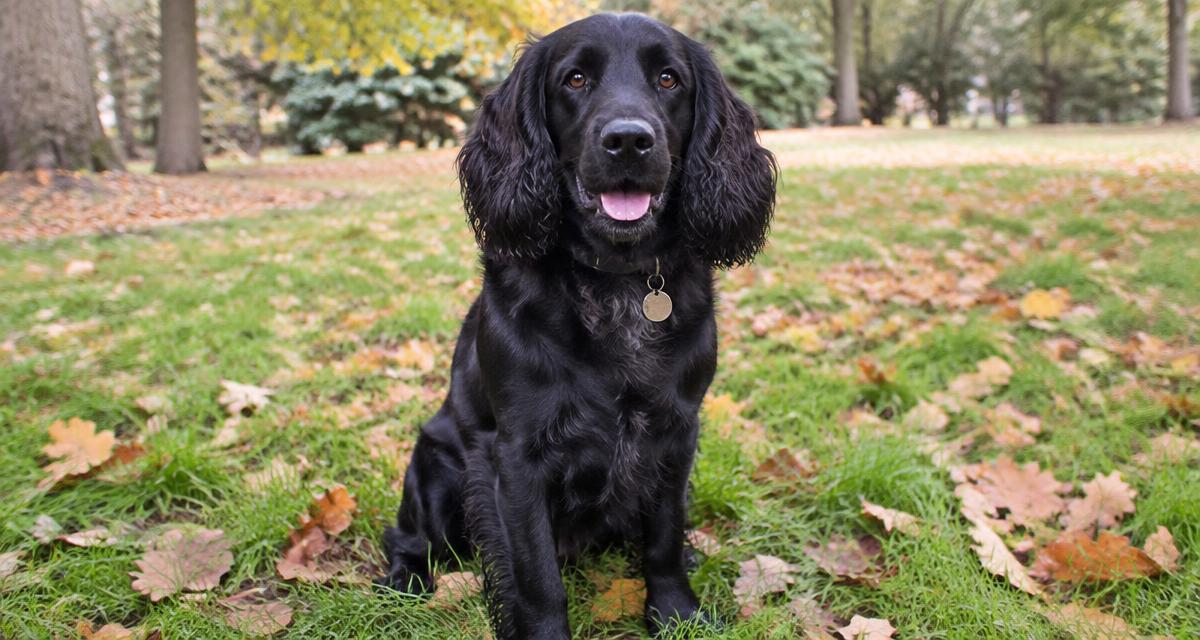
Cockador
The Cockador, also spelt Cockerdor, is a Cocker Spaniel crossed with a Labrador. It started as a working gundog cross, and you still see plenty on shoots, but most now live as family dogs. They tend to land somewhere between the two parents: smaller and busier than a Lab, steadier than a working Cocker.
About the Cockador
Where they come from
Gamekeepers and rough shooters have crossed spaniels and Labradors for a long time, looking for a dog with a spaniel's nose and drive and a Lab's softer mouth and calmer head. The name came much later. Puppies vary a lot, and a working-line Cocker crossed with a working Lab is a very different dog from two show-line parents.
Temperament
Most are sociable, cheerful and want to be involved in everything. They usually love people, other dogs and anything edible. Working-bred dogs need a real job, whether that is gundog training, scentwork or plenty of retrieving, or they can become mouthy and restless.
At a glance
- Friendly with almost everyone
- Very food-driven, which helps training and hurts waistlines
- Most love water and mud
- Shed more than people expect
- Can be noisy and bouncy as youngsters
Cockador health and vet costs
The problems we see most
- Ear infections (otitis externa). Heavy ears trap moisture, and swimming makes it worse. Each flare-up usually means a consultation, a swab and drops. Long-term cases can need ear flushes under sedation.
- Obesity. Very common, and it makes most other problems worse. Weigh your dog every month.
- Hip and elbow dysplasia. Both parent breeds are affected. Severe cases can mean referral surgery costing several thousand pounds.
- Cruciate ligament injury. Heavier, unfit dogs are more at risk. Surgical repair commonly runs into the low thousands.
- Skin allergies. Itchy paws, ears and belly. Often lifelong and managed rather than cured.
- Eye conditions. Progressive retinal atrophy (PRA) and inherited cataracts occur in both breeds.
Health checks to ask the breeder about
Ask for BVA/KC hip and elbow scores on both parents, current BVA eye test certificates, and DNA results for PRA (prcd-PRA). Cocker parents should also be tested for familial nephropathy, and Labrador parents commonly for exercise-induced collapse and centronuclear myopathy.
When to go to the vet the same day
Head shaking with a hot, smelly or very painful ear. Sudden lameness on a back leg. Swallowing a sock, a corn cob or anything else that should not be inside a dog, which this cross does more than most. Vomiting repeatedly or a swollen belly.
Living with a Cockador
With children
Usually great. They are sturdy and tolerant. Young dogs can be bouncy and mouthy, so supervise with small children and give the dog somewhere to retreat to.
With other pets
Generally good with other dogs. Most can live with a cat if introduced young. Working-bred dogs may be keen on birds and small animals.
At home
They do best in a house with a garden and owners who are out walking every day. Bins, kitchen counters and coat pockets will all be investigated.
Exercise and training
How much exercise
An adult usually needs an hour or two a day, mixing walks with games that use the nose: hiding a toy, searching for treats, retrieving. Mental work tires them out as much as running.
Training
They learn quickly with food rewards. Start early on loose-lead walking and a steady recall, because a Cockador on a scent can get very deaf. Gundog training classes are a good outlet even if you never go shooting.
Grooming and coat care
Coat
Coats range from a short Lab coat to a longer, feathered spaniel coat. Brush weekly, more often in spring and autumn moults. Feathered legs and ears may need trimming.
Ears
Check ears every week and dry them after swimming. If your vet recommends an ear cleaner, use it as directed, not every day. Do not push cotton buds down the canal.
Diet and nutrition
Feeding
Weigh food rather than using a scoop, and count training treats as part of the daily amount. Many Cockadors carry the same appetite gene change (POMC) that is common in Labradors, so they genuinely feel hungrier. Your vet nurse can help you set a target weight.
How much does a Cockador cost at the vet?
UK average prices
These are current UK averages taken from published vet price lists on our site:
| Treatment | UK average |
|---|---|
| Routine consultation | £60.23 |
| Annual booster vaccination | £70.70 |
| Kennel cough vaccination | £63.71 |
| Microchipping | £28.55 |
| Castration (male) | £268.54 |
| Spay (female) | £361.91 |
Plenty of practices price neutering by weight. For a dog of roughly 10–25kg, castration is typically around £280 (most practices charge £212–£375) and a spay around £368 (most charge £300–£510).
Bigger dogs over 25kg usually move into a higher neutering band, so ask for a weight-based quote rather than relying on the headline figure.
A realistic yearly budget
Routine care for a healthy adult is usually £300–£550 a year. Ear and skin problems are what push it higher. A dog with recurrent ear infections can easily add a few hundred pounds a year in consultations, swabs and medication.
Pet insurance for a Cockador
Is it worth it?
For most owners, yes. Joint surgery and ongoing allergy treatment are the big risks, and both can run for years. Lifetime policies are the ones that keep paying for long-term conditions.
How to list a cross
Most UK insurers let you list a dog as a crossbreed and pick the two parent breeds, or choose a size-based "mixed breed" option. It is worth trying both on comparison sites, because the quote can change noticeably depending on which parent breed is named. Be honest either way. A mismatch between what you declared and what your vet's notes say can cause problems at claim time.
Choosing a vet for your Cockador
What to look for
Any good small-animal practice can look after a Cockador. What matters more is how they explain costs and whether you can see the same vet when something drags on. Ask what a consultation includes, whether they run a monthly health plan, and where your dog would go out of hours. You can compare consultation and vaccination prices at practices near you, and our emergency vets page lists dedicated out-of-hours clinics across the UK.
Frequently asked questions
What is a Cockador?
How big do Cockadors get?
Are Cockadors good family dogs?
Do Cockadors shed?
Why does my Cockador keep getting ear infections?
How much does it cost to keep a Cockador at the vet?
Related breeds
By The Vet Price Comparison Site editorial team · Last reviewed15 October 2026. Sources: RCVS, The Kennel Club, RVC VetCompass, ABI, and our live UK vet pricing index.