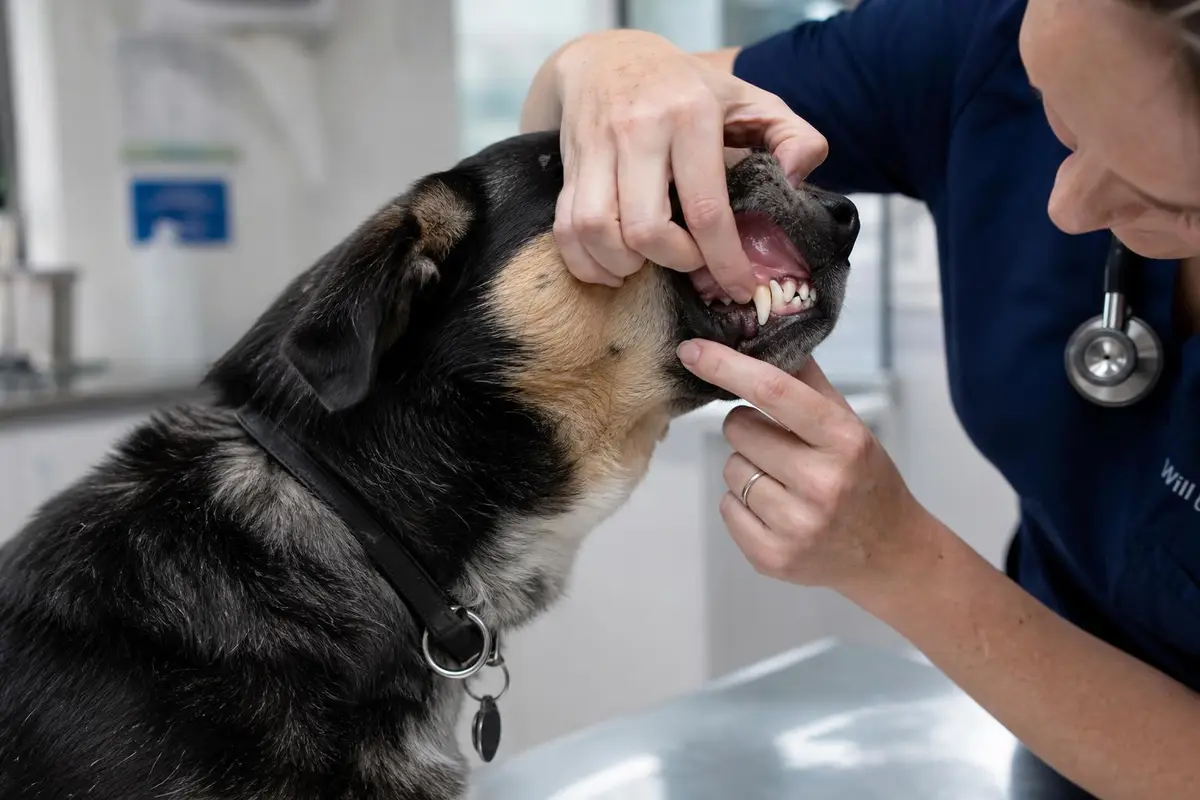
A dental under general anaesthetic is one of the bills owners query most. The quote often lands somewhere between £300 and £700, and the final figure is rarely known until the vet has looked under the gum line with the pet asleep.
We looked at the dental prices published by UK practices in our index. More than 320 list a scale and polish price, and a smaller group break it down by species, dog size or the number of extractions.
What a dental typically costs
- Dog scale and polish: typically £350 (most £295–£380, from 53 practices with a dog-specific price)
- Cat scale and polish: typically £294 (most £217–£339, from 70 practices)
- All species, where only one price is listed: typically £382 (most £300–£439, from 320 practices)
- Dental with extractions: typically £418 (most £142–£500 depending on how the practice prices it)
- Dental X-rays, where charged separately: usually £75–£110
Many practices call the package a "dental assessment" instead. Those typically come in at £390 for a dog and £340 for a cat, and usually include the anaesthetic, a charted examination and the clean.
Why the final bill is often higher than the quote
Your vet can only see part of the mouth while your pet is awake. Once the anaesthetic is on, they probe each tooth and often X-ray the jaw. A tooth that looked fine can turn out to have lost its root support, and the honest answer is that nobody knows the full extent until then.
That is why a good practice will give you a range, and phone you during the procedure if it is going to go well past it. Ask for that phone call before you sign the consent form.
The things that most change the price are:
- Extractions. Small front teeth are quick. Large back teeth with three roots often need surgical removal and stitches, and take far longer.
- Size of dog. Practices that price by weight charge more for dogs over 20kg and again over 40kg, mainly for anaesthetic drugs and time.
- Blood tests and a drip. Often recommended for older pets. Some practices include them, others add £60–£110.
- Take-home medicine. Pain relief, and sometimes antibiotics.
Is a dental actually needed?
Bad breath, red gums, dropping food and chewing on one side are all signs of gum disease, which is very common in dogs and cats over three. Left alone it is painful and usually leads to more extractions later, so a cheaper early clean often saves money.
Anaesthetic-free cleaning, sometimes offered by groomers, only scrapes the visible tartar. The disease is under the gum line, so UK vets do not recommend it.
How to keep the cost down
- Check your health plan. Many practice plans give 10% off dentals, and some include a yearly dental check. Compare them on our pet health plan comparison.
- Check your insurance. Most policies only cover dental work after an accident, or if your pet has had a dental check within the last year.
- Brush daily. It is the single thing that slows tartar most. Dental chews help less than the packaging suggests.
- Compare locally. Use find a vet to see what practices near you charge.
For more on the long-term picture, see our guide to dental disease in dogs.