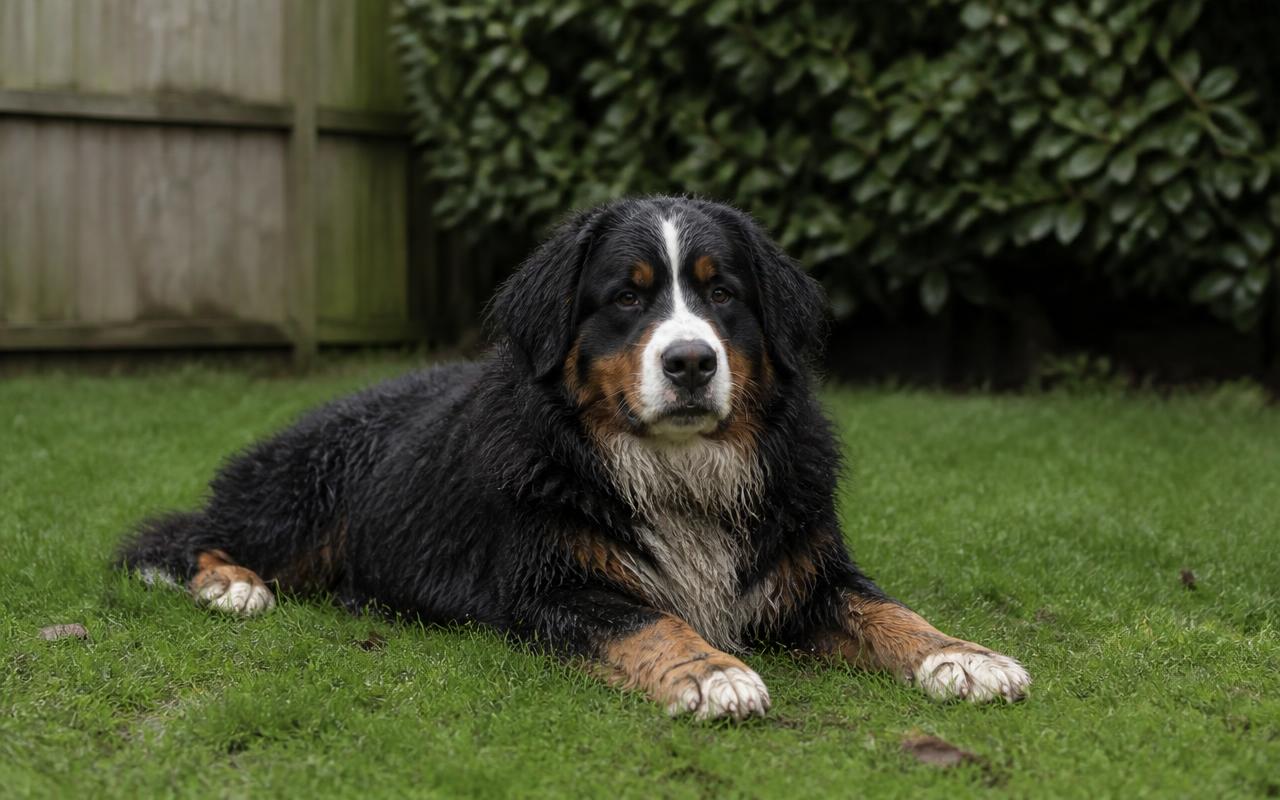
Bernese Mountain Dog
The Bernese Mountain Dog is a strikingly handsome, large working breed instantly recognisable by its heavy build and glossy tri-colour coat. Originally bred in the Swiss Alps to drive cattle, pull carts, and guard farmsteads, they have transitioned smoothly into the role of a devoted companion animal. In the UK, their gentle nature and striking appearance make them highly sought-after by families seeking a large, affectionate dog. However, prospective owners must be prepared for their considerable size, heavy shedding, and the financial commitment required for a giant breed.
About the Bernese Mountain Dog
History & background
The Bernese Mountain Dog, or Berner Sennenhund, traces its roots to the agricultural regions around the canton of Bern in Switzerland. Historically, these robust dogs were indispensable to Alpine farmers. Their primary roles included driving dairy cattle, protecting the farmyard from predators, and pulling carts laden with woven goods or dairy products to local markets. Their substantial strength and thick double coat perfectly adapted them to the harsh, freezing conditions of the Swiss Alps.
By the late 19th century, industrialisation and the introduction of different working breeds caused Bernese numbers to dwindle alarmingly. Fortunately, Swiss cynologist Professor Albert Heim, alongside a group of dedicated breeders, intervened to preserve and standardise the breed. Today, they are beloved worldwide not as beasts of burden, but as loyal family companions, retaining the calm watchfulness and steady temperament of their agrarian ancestors.
Temperament & personality
The Bernese Mountain Dog is renowned for its deeply affectionate, easy-going, and patient personality. They form intense bonds with their human families and thrive on close companionship, often believing themselves to be lap dogs despite their colossal size. While they are famously gentle, they can occasionally be slightly aloof or reserved when meeting strangers, a trait lingering from their days as farm watchdogs. However, a well-socialised Bernese should never display aggressive or excessively fearful behaviour.
It is important to understand that this breed matures rather slowly. Both physically and mentally, a Bernese may retain puppy-like exuberance well into their second or even third year. Early, consistent socialisation and positive reinforcement training are crucial to ensure this prolonged adolescent phase does not result in an unruly giant. When raised with calm guidance, they develop into exceptionally steadfast and reliable companions.
Personality traits
When considering a Bernese Mountain Dog, it is helpful to understand the core traits that define their everyday behaviour.
- Trait: Deeply loyal and strongly attached to their immediate family.
- Trait: Generally calm and placid when indoors, provided their exercise needs are met.
- Trait: Slow to mature, retaining a playful, puppy-like demeanour for years.
- Trait: Gentle and tolerant, making them well-suited to family environments.
- Trait: Alert watchdogs that will bark to announce visitors, but rarely aggressive.
- Trait: Sensitive to harsh corrections, responding best to gentle encouragement.
- Trait: Highly sociable, often prone to separation anxiety if left alone for long periods.
Bernese Mountain Dog health — common conditions and vet costs
Top 6 conditions
The Bernese Mountain Dog is unfortunately predisposed to several serious health conditions, particularly orthopaedic issues and specific cancers. Being aware of these risks helps owners catch symptoms early.
- Condition: Histiocytic sarcoma — an aggressive form of cancer to which the breed is highly susceptible, often affecting the joints, lungs, or spleen. Typical cost band: high
- Condition: Hip dysplasia — abnormal development of the hip joint leading to arthritis, pain, and lameness. Typical cost band: high
- Condition: Elbow dysplasia — developmental abnormalities in the elbow joint, causing significant pain and mobility issues in young dogs. Typical cost band: high
- Condition: Gastric dilatation-volvulus (GDV) — a life-threatening emergency where the stomach fills with gas and twists. Typical cost band: high
- Condition: Cruciate ligament rupture — tearing of the knee ligament, frequently requiring complex orthopaedic surgery to stabilise the joint. Typical cost band: high
- Condition: Degenerative myelopathy — a progressive neurological disease leading to hind limb weakness and eventual paralysis. Typical cost band: moderate
Breed-specific screening tests
Responsible breeding is absolutely vital to improve the long-term health of the Bernese Mountain Dog. The British Veterinary Association (BVA) and the Kennel Club heavily strongly advise that all breeding dogs undergo hip and elbow scoring. Only dogs with scores well below the breed average should be used for mating, as this helps to reduce the prevalence of debilitating joint dysplasia in future generations.
In addition to joint scoring, genomic testing is becoming increasingly important. A pre-mating test for Histiocytic Sarcoma risk is available, which guides breeders in selecting mates to lower the incidence of this devastating cancer. DNA testing for Degenerative Myelopathy (DM) is also recommended to ensure two carriers are not bred together, which would risk producing puppies that develop the condition. Always ask a breeder for documented proof of these tests.
When to see a vet — red flags
Certain symptoms in a Bernese Mountain Dog require immediate veterinary attention. The most critical emergency is Gastric Dilatation-Volvulus (GDV or bloat). If your dog begins unproductive retching, pacing anxiously, drooling excessively, or if their abdomen appears swollen and hard, you must contact your vet immediately. GDV is rapidly fatal without emergency surgical intervention, and every minute counts.
Given the breed's high risk of cancer and joint problems, other red flags include any unexplained lethargy, sudden weight loss, a reluctance to exercise, or difficulty rising from a resting position. Lumps or swellings, particularly around the joints, should be investigated promptly by your vet. While it is easy to attribute stiffness to simple ageing, it can often indicate treatable arthritis or, more seriously, an underlying issue requiring pain management.
Family life with a Bernese Mountain Dog
With children
The Bernese Mountain Dog has a well-deserved reputation as a gentle giant, often showing immense patience and affection towards children within their family. They tend to be highly tolerant and protective in a calm manner. However, due to their sheer size and bulk, they can easily knock over toddlers or young children by accident during moments of puppy-like exuberance. Therefore, interactions between large dogs and small children must always be closely supervised by an adult to prevent accidental injury.
With other pets
Generally, a Bernese Mountain Dog integrates very well with other household pets. They typically have a low prey drive compared to terriers or hounds, making them safe companions for cats and smaller animals, provided they are introduced properly at a young age. Early socialisation with other dogs is vital to ensure they grow into confident, friendly adults. Their calm demeanour means they usually avoid conflict, but their massive size requires careful management when playing with smaller canine companions.
Home environment
This breed is fundamentally unsuitable for flat living or homes with multiple flights of stairs, primarily due to their size and the risk of joint stress. They thrive best in a spacious environment with secure, ground-floor access to a garden. Because of their thick Alpine coats, they are highly sensitive to heat; homes must offer cool, shaded areas where the dog can rest during the warmer UK summer months. They prefer being indoors with their family rather than relegated outside.
Exercise & training
Exercise needs
Despite their imposing size, the Bernese Mountain Dog has relatively moderate exercise requirements. Around an hour of daily exercise, split into two walks, is usually sufficient to keep them physically fit and mentally stimulated. During puppyhood, it is critical to carefully restrict exercise to protect their developing joints from undue stress. High-impact activities, such as excessive jumping, forced running, or navigating steep stairs, must be strictly avoided until their growth plates have fully closed around 18 to 24 months of age.
Owners must also be acutely aware of the weather. Their dense, heavy coats mean they are highly susceptible to heatstroke. During the UK's warmer spells, exercise should be restricted to the coolest parts of the day—early morning and late evening—and they should always have access to fresh water and deep shade. Swimming can be an excellent, low-impact way for an adult Bernese to burn off energy while staying cool.
Training approach
Training a Bernese Mountain Dog requires patience, consistency, and a gentle touch. They are highly eager to please and genuinely want to work in partnership with their owners, which makes them generally quite trainable. However, they possess a sensitive nature and will shut down if subjected to harsh corrections or raised voices. Positive reinforcement techniques, utilising high-value treats and enthusiastic praise, will yield the best results and foster a strong bond of trust.
Because they mature so slowly, training must account for their prolonged adolescent phase. You may find yourself managing a dog that weighs 40kg but still possesses the attention span and impulse control of a young puppy. Early focus on loose-lead walking is absolutely essential; a fully grown Bernese is more than capable of pulling an adult off their feet if they haven't been taught polite walking manners from an early age.
Grooming & coat care
Coat & routine
The Bernese Mountain Dog boasts a beautiful, thick double coat that requires a significant commitment to grooming. They shed year-round, with two periods of heavy moulting (usually spring and autumn) where they will ‘blow’ their undercoat in vast quantities. To prevent painful matting and keep their skin healthy, a thorough brushing at least three times a week is necessary, escalating to daily brushing during moulting seasons. A slicker brush and a sturdy metal comb are essential tools to penetrate down to the undercoat.
Bathing, ears, nails & teeth
Beyond brushing, routine maintenance is vital for their overall welfare. They only require bathing every few months unless they roll in something unpleasant, as over-bathing strips natural oils from their coat. Their heavy, drop ears restrict airflow, making them prone to bacterial and yeast infections, so weekly ear checks and gentle cleaning are recommended. Nails should be trimmed regularly to prevent structural foot problems, particularly if they do not walk often on hard pavements. Finally, introducing daily toothbrushing with dog-safe toothpaste will help prevent expensive dental disease.
Diet & nutrition
Feeding a Bernese Mountain Dog
Providing the correct nutrition is fundamental to the long-term health of a Bernese Mountain Dog, especially during their critical growth phases. Puppies must be fed a high-quality, commercially prepared diet specifically formulated for large or giant breeds. These diets contain precise calcium-to-phosphorus ratios to ensure slow, steady growth. Overfeeding or adding calcium supplements can accelerate bone growth unnaturally, dramatically increasing the risk of developmental orthopaedic diseases such as hip and elbow dysplasia.
For adult dogs, maintaining a lean body condition is paramount to alleviate unnecessary strain on their joints. Because the breed is at high risk for Gastric Dilatation-Volvulus (bloat), feeding practices must be managed carefully. It is highly recommended to divide their daily food allowance into two or three smaller meals rather than one large one. Furthermore, owners should strictly avoid exercising their Bernese for at least an hour before and after meals to further reduce the risk of the stomach twisting.
How much does a Bernese Mountain Dog cost at the vet?
UK average prices
Across published UK vet price lists, the UK average consultation is £60.23. For a dog the typical booster vaccination averages £70.70, castration averages £268.54 and spaying averages £361.91. Neutering is priced by size at many practices. For a giant dog over about 40kg, the typical castration is around £340 (most £276–£443) and a spay around £444 (most £363–£600). Microchipping averages £28.55. Please note that these figures can vary significantly depending on your location within the UK, and whether your practice is independently owned or part of a larger corporate group. It is always sensible to request a written estimate before proceeding with any non-routine procedures.
Routine annual budget
Owning a giant breed entails significantly higher routine costs than caring for a smaller dog. Preventative healthcare, including prescription flea, tick, and worming treatments, is dosed by weight, placing the Bernese in the most expensive weight brackets. Annual booster vaccinations, high-quality giant-breed nutrition, and the cost of routine check-ups must be factored in. Additionally, owing to their predisposition to complex health issues, pet insurance premiums for this breed are typically among the highest on the market, forming a substantial part of your monthly budget.
Pet insurance for a Bernese Mountain Dog
Why insurance matters
Securing robust pet insurance for a Bernese Mountain Dog is crucial due to their specific health vulnerabilities. If your dog develops an orthopaedic issue requiring cruciate ligament surgery, or requires emergency, life-saving surgery for GDV (bloat), the veterinary bills can quickly escalate into many thousands of pounds. Furthermore, diagnostics and oncological treatments for cancers like Histiocytic Sarcoma are exceptionally costly. Without adequate cover, owners may be faced with heartbreaking decisions based on financial limitations rather than the welfare of the animal.
What to look for
When selecting a policy, a 'lifetime' cover option is strongly recommended. This type of policy reinstates the cover limit each year, which is essential for managing chronic conditions like arthritis or ongoing cancer treatments. Look for policies offering a very high annual limit (ideally £7,000 or more) to account for giant-breed surgical costs. Ensure the policy does not exclude hereditary conditions like hip dysplasia, provided you follow the insurer's terms regarding pre-existing conditions, and check if dental illness is covered as standard.
Choosing a vet for your Bernese Mountain Dog
What to look for
When selecting a veterinary practice for your Bernese, it is beneficial to find a team experienced in handling giant breeds. Large dogs require sturdy equipment, robust operating tables, and spacious recovery kennels. Given the breed's high risk for bloat (GDV), you should carefully enquire about the practice's out-of-hours emergency provision. Knowing exactly where to take your dog in a midnight emergency could literally save their life, as GDV requires immediate, specialised surgical intervention.
Additionally, you may want to check if the practice offers advanced surgical options, such as laparoscopic (keyhole) spaying, which can provide a safer, faster recovery for deep-chested dogs. A vet with an interest in orthopaedics or oncology is also a distinct advantage for a Bernese owner, given their health predispositions. Building a trusting, long-term relationship with your vet is vital for managing this breed's care. Use our vet price comparison tool to compare practices near you.
Frequently asked questions
Are Bernese Mountain Dogs good family pets?
Yes, they are exceptionally good family pets for the right household. Bernese Mountain Dogs are known as gentle giants—loyal, affectionate, and typically very tolerant with children. However, because of their massive size, they must be supervised around toddlers to prevent accidental knock-overs. They thrive on companionship and need a family that will include them in daily activities, as they do not cope well with being left alone for long periods.
How much exercise does a Bernese Mountain Dog need?
An adult Bernese Mountain Dog requires around one hour of moderate exercise daily, usually split into two walks. They are not built for intense endurance running. During puppyhood, exercise must be strictly limited to protect their developing joints from damage. Because of their dense, heavy coats, owners must also be extremely cautious during warm UK weather to prevent life-threatening heatstroke, exercising them only in the cool early mornings or late evenings.
What are the common health problems in Bernese Mountain Dogs?
Sadly, the breed suffers from several severe health issues. They are highly predisposed to specific cancers, particularly Histiocytic Sarcoma. Orthopaedic problems, including hip dysplasia, elbow dysplasia, and cruciate ligament ruptures, are also very common. Additionally, their deep-chested conformation puts them at a high risk of Gastric Dilatation-Volvulus (GDV or bloat), which is a rapid, life-threatening emergency requiring immediate veterinary surgery.
How much do vet bills cost for a Bernese Mountain Dog in the UK?
Routine vet costs reflect their large size. Across published UK vet price lists, the UK average consultation is £60.23. For a dog the typical booster vaccination averages £70.70, castration averages £268.54, and spaying averages £361.91. Microchipping averages £28.55. Beyond routine care, you must budget for potentially vast veterinary bills. Conditions like joint dysplasia or cancer can require thousands of pounds for treatment, making lifetime pet insurance an absolute necessity.
How long do Bernese Mountain Dogs live?
Unfortunately, the Bernese Mountain Dog has one of the shortest life expectancies of all dog breeds, typically living for only around 7 to 9 years. Their abbreviated lifespan is largely due to their genetic predisposition to aggressive cancers and severe orthopaedic diseases. Choosing a puppy from a responsible breeder who rigorously health tests their stock is the best way to improve the chances of a longer, healthier life.
Do Bernese Mountain Dogs shed a lot?
Yes, they are heavy shedders. The Bernese Mountain Dog possesses a thick, protective double coat designed for the freezing Swiss Alps. They shed moderately throughout the year, but experience two heavy moulting seasons in the spring and autumn where they lose vast amounts of hair. Prospective owners must be prepared for regular vacuuming and commit to brushing the dog at least three times a week to prevent uncomfortable matting.
Related breeds
By The Vet Price Comparison Site editorial team · Last reviewed12 October 2026. Sources: RCVS, The Kennel Club, RVC VetCompass, ABI, and our live UK vet pricing index.